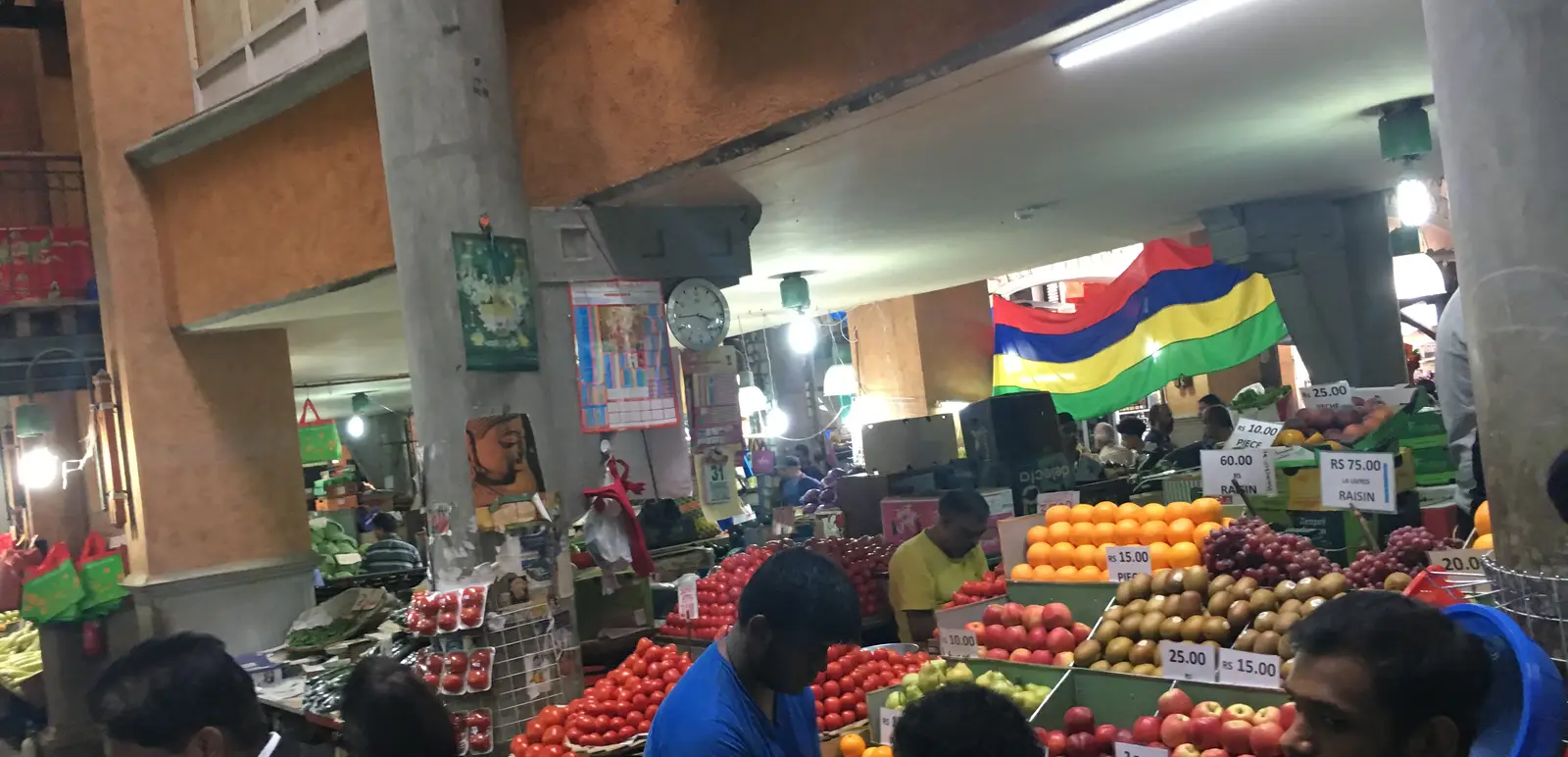
The festival of lights gives Mauritius a cultural story that goes far beyond beaches. Many Hindu families across the world celebrate Diwali. In Mauritius, it also reflects migration, family life, food, temples and a plural island society.
For travellers, the first rule is respect. A Diwali celebration is not a street show. It is a family and religious moment that may include prayers, sweets, lights, oil lamps and homes prepared for guests.
What Diwali means
Diwali is usually explained as the victory of light over darkness and of good over evil. Many families mention the goddess Lakshmi, wealth and prosperity, Lakshmi puja and lighting diyas. In simple terms, families clean, decorate, pray, share food and exchange gifts.
Some traditions also mention the demon Narakasura, Govardhan Puja, Bhai Dooj and Choti Diwali. Sikh readers may also connect the season with Guru Hargobind. These references matter, but local practice changes from family to family.
Why Mauritius is different
In Mauritius, Diwali sits inside Indo-Mauritian life and wider religious coexistence. Temples, languages, sweets, neighbours and public lights help visitors understand Mauritius culture in a deeper way.
When families gather, visitors should know the boundary between public celebration and private devotion. Visitors can enjoy a lit street. A family prayer needs invitation and discretion.
How to experience it well
Travellers who want to celebrate Diwali in Mauritius should start with the date. In 2026, Diwali falls on Sunday 8 November, according to the official Mauritian lunar calendar. The date moves each year, so travellers should still confirm it with official calendars before booking.
A good stay can combine Port Louis, neighbourhood temples, markets, sweets and family recipes. It can also leave one quiet evening in a residential area. The goal is not to see everything. The goal is to understand why light matters to the people who live there.
Practical advice
Dress modestly near places of worship. Ask before taking photos. Do not block roads or doorways.
Use a local guide if you want context. Leave space for closures, family visits and slower holiday rhythms.
Mauritius can use Diwali as a positive travel story if the article stays careful. The best angle is cultural depth: homes, food, faith, neighbourhoods and island welcome.
A respectful route
A simple route works better than a rushed checklist. Start with a market in Port Louis to understand sweets, spices and everyday preparation. Add a neighbourhood temple visit only with proper behaviour and local guidance. Keep one evening free for lights in a neighbourhood where visitors can observe without intruding. Grand Bassin (Ganga Talao) is the pilgrimage site for Maha Shivaratri in February, not for Diwali, and does not belong on this itinerary.
The next day can return to the wider island: a beach, a garden, a local restaurant or a south-coast drive. This balance matters because Mauritius is not only a festival setting. It is a living island where culture, nature and family routines overlap.
What to avoid
Do not present Diwali as a party package. Do not promise access to private homes. Do not reduce the festival to lights alone. The best travel advice protects the dignity of the celebration while helping visitors understand where public culture begins.
Frequently asked questions
Is Diwali a public holiday in Mauritius?
Yes, Diwali (Divali) is an official public holiday in Mauritius every year. In 2026 it falls on Sunday 8 November, according to the official Mauritian calendar, so travellers should check for any compensation day.
Can visitors attend Diwali events?
Yes, when events are public or when a guide or host makes the setting clear. Private rituals require invitation.
Why is Diwali called the festival of lights?
Because light symbolises renewal, protection, welcome and the victory of good over darkness.
Sources / references
Methodology: every fact, figure and quotation is checked and sourced by the newsroom.