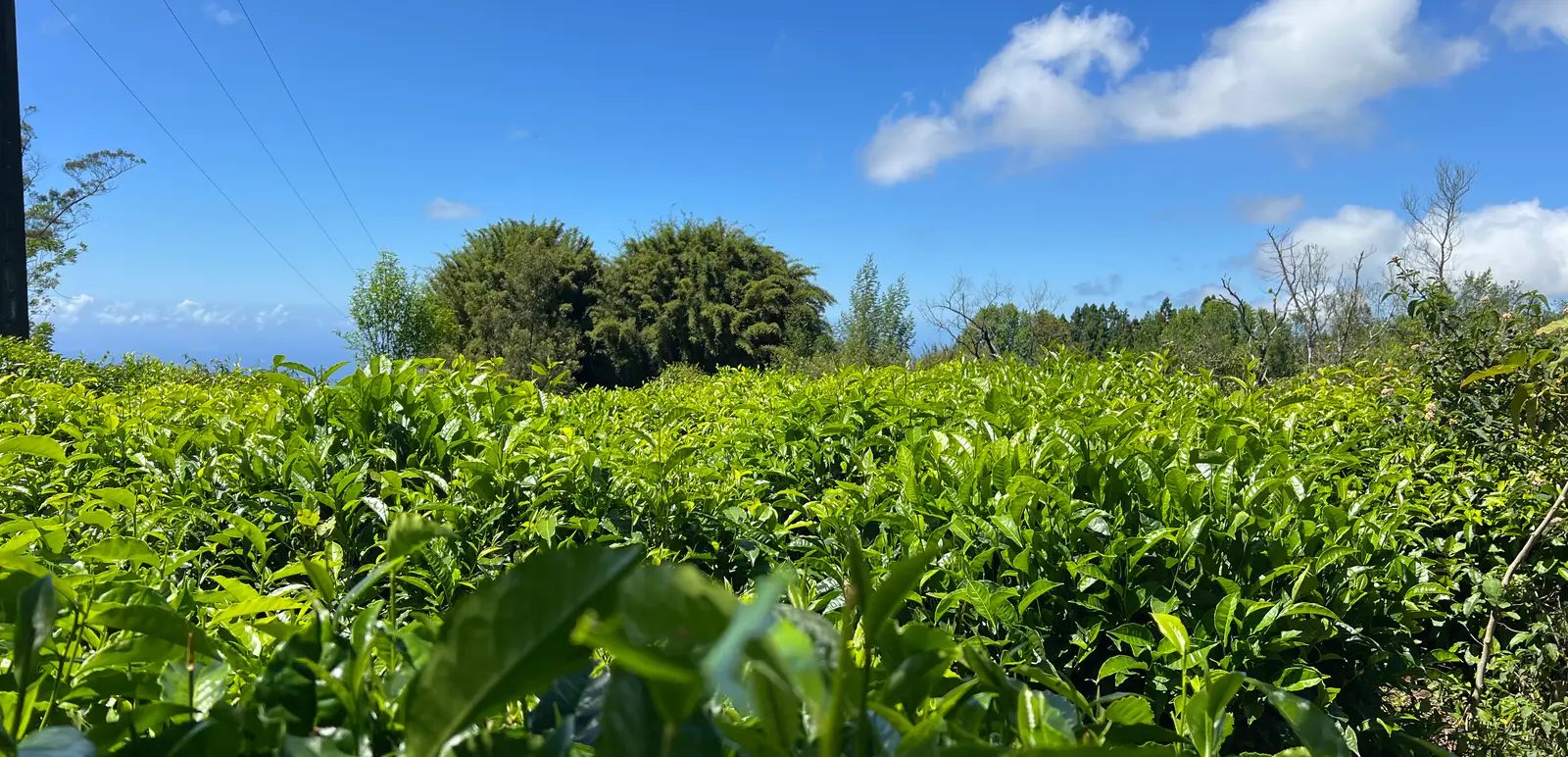
The green economy connects farming, energy, waste, water, data and training. It is credible only when it improves life for producers and consumers.
Island farming challenges
Islands face scarce land, cyclones, droughts, fragile soils and logistics costs. Madagascar, because of its scale, faces different problems of access, yield and processing.
Food security is both an economic and environmental issue.
What agritech brings
Sensors, controlled irrigation, greenhouses, weather apps, traceability, adapted seeds and digital advice can reduce losses.
Technology must stay simple, maintainable and profitable for farmers.
Energy and climate
Solar power, biomass and energy efficiency help farms, workshops and cold rooms. Storage and maintenance often decide success.
A green innovation fails if it depends on unavailable spare parts or an overly expensive subscription.
Waste and circular economy
Composting, organic waste recovery, reduced packaging and short supply chains can create new activities.
The link between hotels, markets, farmers and local authorities is essential.
Actors and funding
Strong projects connect producers, researchers, startups, funders and buyers. Identify the final customer early.
Regional agritech will grow by solving simple problems before promising a revolution.
Practical use cases
The most useful projects start with simple field needs. A farmer may need cheaper irrigation, better pest alerts, safer storage or a way to prove origin for buyers. A cooperative may need shared cold rooms, mobile payments and basic data tools.
Good agritech does not begin with a dashboard. It begins with water, soil, labor, roads and price. When the tool saves time or reduces loss, adoption becomes easier. When it needs costly hardware, constant internet or complex training, the project can fail quickly.
Frequently asked questions
What is agritech ?
Useful technology applied to farming: data, irrigation, traceability, greenhouses and management tools.
Are there concrete projects ?
Yes, around irrigation, solar energy, composting, traceability and short supply chains.
How does it link to the blue economy ?
Both try to produce without exhausting resources, on land and at sea.
Who funds it ?
Public support, banks, investors, climate programs and private partners depending on the country.
Sources / references
Methodology: every fact, figure and quotation is checked and sourced by the newsroom.