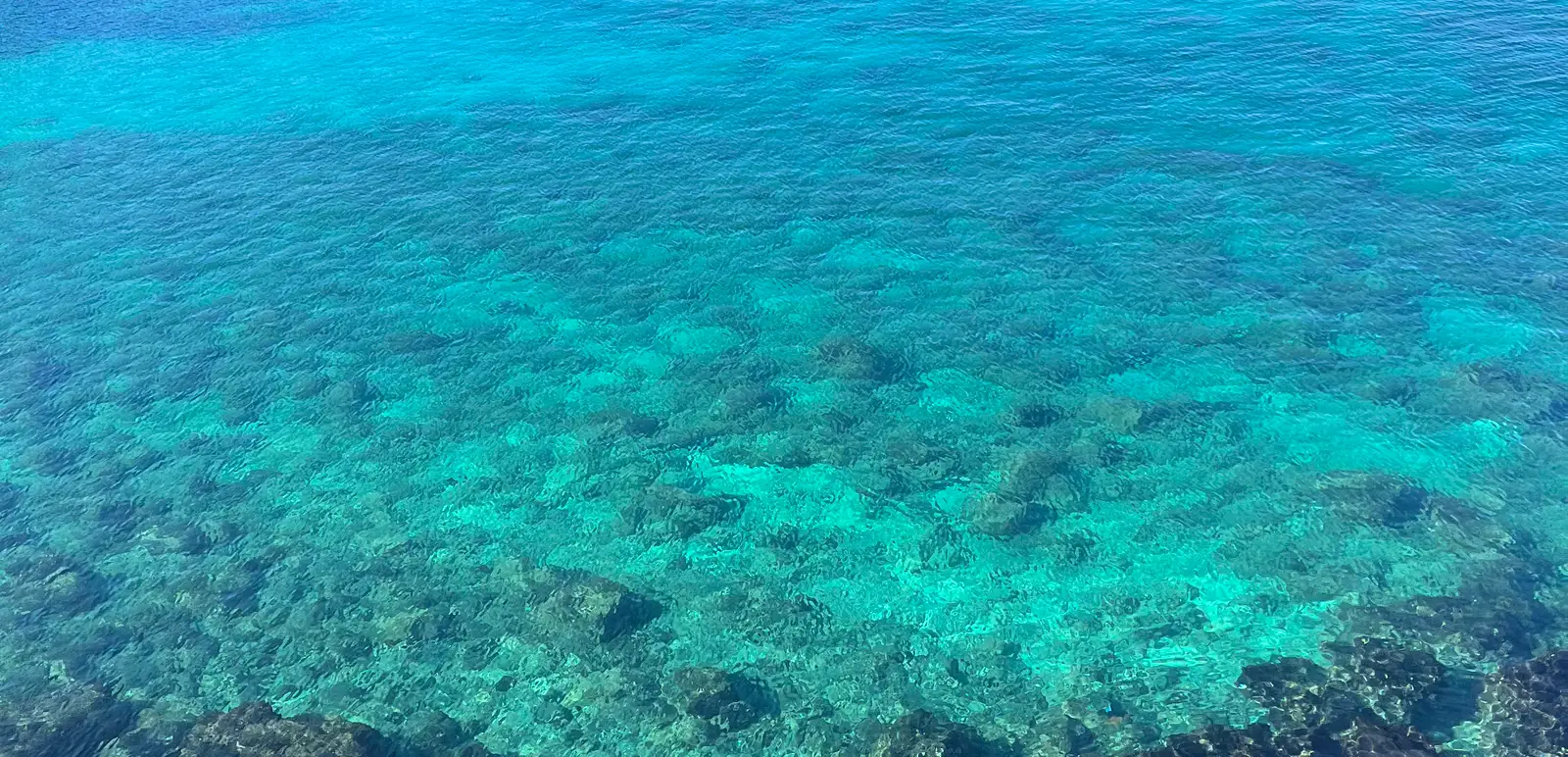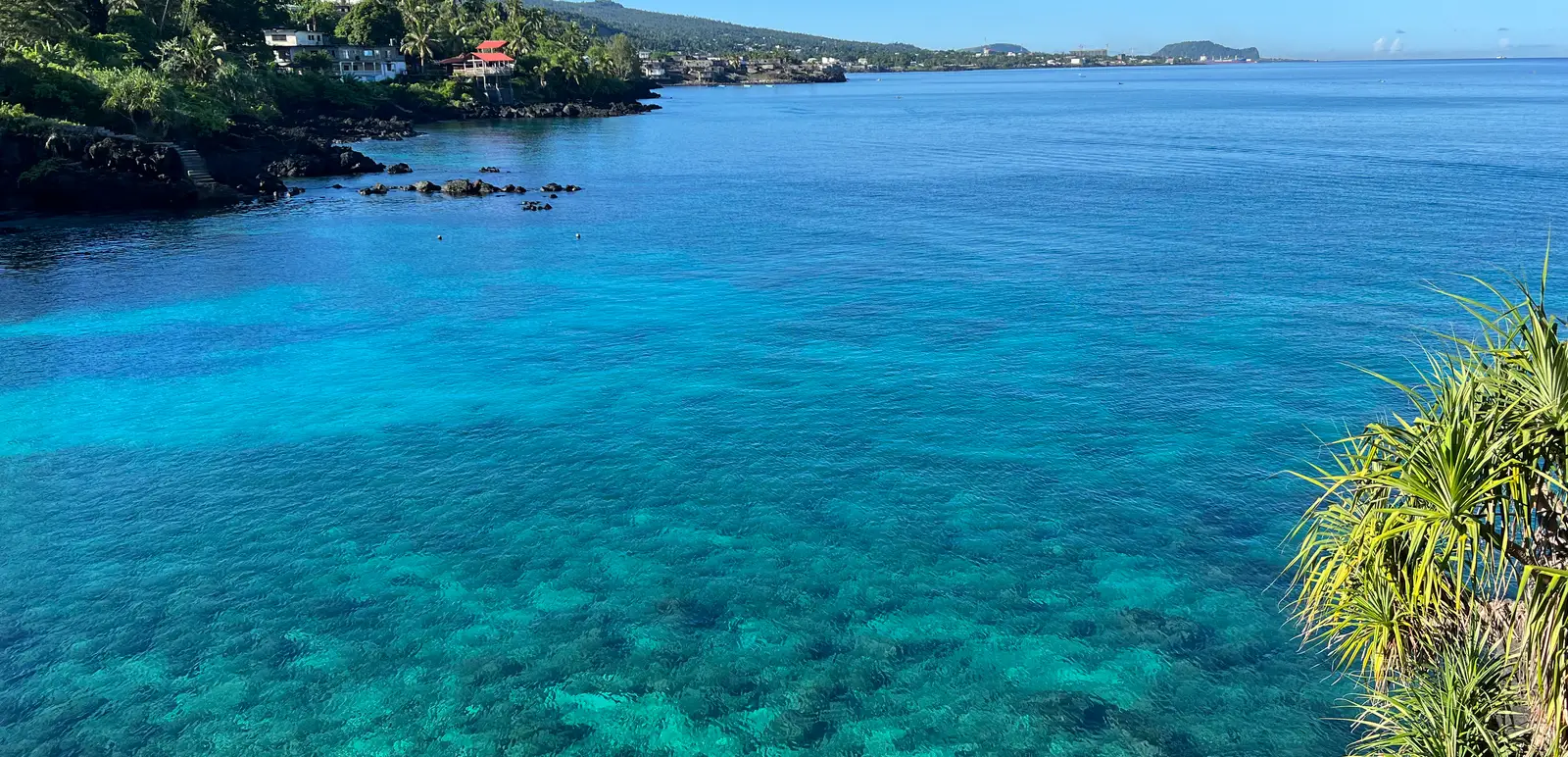
Mauritius is often practical and resort-friendly. Seychelles is more visual, with granite rocks, coral islands, white sand beaches and crystal clear waters when conditions are right.
Snorkeling Indian Ocean sites can be simple, but the best choice still depends on season, current, wind and the swimmer’s level.
How the islands differ
Mauritius is a comfortable diving destination for beginners and intermediate divers. Dive sites are usually easy to arrange from the north, west or north west coast. Some are sheltered, while others need more experience because of current or depth.
Seychelles offers a different atmosphere. Granite boulders, white sands, small islands and marine park areas create strong scenery. Some sites are shallow and bright. Others are better for certified divers who want bigger structures and richer marine life.
Reunion Island has a more volcanic identity, with walls, lava shapes, arches and open-water exposure. Mayotte is known for its lagoon and passes. Madagascar can be extraordinary around islands and remote coasts, but logistics can be more demanding.
Snorkeling or scuba diving
Snorkeling can be enough for a memorable day. A calm lagoon, good visibility and healthy coral can bring reef fish, turtles and coral gardens close to the surface.
Scuba diving opens other worlds: deeper reefs, wrecks, passes, walls, arches and sites exposed to current. It also requires training, equipment checks and a good briefing.
The right site is not always the most famous site. It is the site that matches your level, the sea state and the local operator’s advice.
Marine life to expect
Indian Ocean marine life is diverse. Around coral reefs, divers may see butterflyfish, surgeonfish, parrotfish, groupers, moray eels, mantis shrimp and sometimes napoleon wrasses.
Reef sharks can appear on some sites, usually as part of a healthy reef system. They should be observed calmly and never chased. Manta rays and whale sharks are more seasonal and local, so any promise should be checked carefully.
Turtles are common in some areas, especially near seagrass or protected zones. They need space to breathe and move. Good operators explain this before entering the water.
Coral reefs and responsibility
Coral reefs are not decoration. They protect coasts, host marine life, support fishing and help define island identity.
Bleaching, anchors, careless fins, plastic, sunscreen and overcrowding can damage reef systems. A responsible operator explains what not to touch, where not to stand and how to control buoyancy.
Snorkelers have the same duty. Floating above a reef is fine. Standing on coral is not.
Mauritius dive zones
For diving Mauritius, the north and north west are often used for accessible boat trips, reef dives and wrecks. The west can offer calm conditions in some seasons and good access from popular resort areas.
Some dive sites are suitable for first certified dives. Others are better for advanced divers because of current, depth or boat procedure.
A marine park can be useful for easier snorkeling, but protected status does not remove the need for careful behaviour. Crowded spots still require distance, patience and respect.
Seychelles dive zones
For diving Seychelles, Mahé, Praslin and La Digue are the names most travellers compare. The scenery is one of the main strengths: granite, white sand beaches, coral islands and clear water can create exceptional light.
Visibility is not automatic. Wind, swell and plankton can change conditions. Local centres know which side of an island is better on a given day.
Some trips can feel like a day trip between islands, beaches and reefs. That can be beautiful, but divers should still check depth, current, surface interval and return time.
Depth and experience
Many recreational dives stay within comfortable limits, but some sites can reach greater depth. Around 30 meters, air consumption, nitrogen exposure and buoyancy control become more important.
A diver who has not dived recently should say so. A certification card is not the same as recent comfort in the water.
For a first dive, teaching quality matters more than the prestige of the site. For certified divers, small groups and clear briefings make a major difference.
National parks and protected areas
National parks and marine protected areas can help preserve habitats, but they are not magic shields. Enforcement, visitor behaviour and local pressure still matter.
In the wider region, some places are linked to major conservation value. A UNESCO World Heritage Site may be part of a broader travel plan. That status should encourage humility, not consumption.
Responsible tourism means choosing operators who respect rules, avoid wildlife harassment and explain reef etiquette.
Season and visibility
Visibility changes with wind, swell, rain, tides and plankton. A famous site can be disappointing after heavy rain. A modest lagoon can be excellent after several calm days.
The best travel season is not always the best wildlife season. If you hope to see manta rays or whale sharks, ask local centres about timing and realistic chances.
Sea conditions matter more than brochure images. A cancelled trip is usually a safety decision.
Safety checklist
A good centre asks about certification, recent dives, comfort level and medical issues. It explains depth, current, entry, exit, boat procedure and environmental rules.
Equipment should be checked calmly. Mask, regulator, buoyancy device, weights and air pressure should not be rushed.
For snorkeling, the safety checklist is simpler but still real: check current, boat traffic, sun exposure, entry point and exit point.
Building an itinerary
For comfort and easy logistics, Mauritius and Seychelles are the simplest choices. For a more naturalist trip, Mayotte and Madagascar can be powerful. For a mixed mountain-and-sea trip, Reunion Island has a strong identity.
Do not try to collect too many islands in one short holiday. Diving rewards repetition. Several dives in one area often teach more than one rushed dive on a famous site.
Island by island choice
Mauritius works well when the priority is comfort. Resorts, roads, dive centres and short transfers make the experience easy. It is a good base for couples or families who want to combine diving, beach time and restaurants.
Seychelles is stronger for scenery. A snorkeler may remember the rocks, the light and the beach as much as the fish. A diver may prefer it when the sea is calm enough to reach varied sites.
Mayotte is more lagoon-focused. It can be superb for turtles, passes and a feeling of large enclosed water, but travellers must check logistics and local conditions carefully.
Madagascar is the choice for variety and adventure. Around Nosy Be and other areas, the marine life can be rich, but travel time, roads, boats and season planning require more patience.
Reunion Island is best when the trip is not only about the sea. Hiking, volcano landscapes and Creole culture make it a strong mixed itinerary. The snorkeling offer is more limited than in classic lagoon destinations.
What beginners should ask
A beginner should ask four simple questions before booking. How deep is the site? Is there current? How many people are in the group? What happens if the sea is rough?
The answer should be clear. If a centre only sells the dream and avoids practical details, choose another operator.
For snorkeling, beginners should ask about current, boat traffic and the best tide. A shallow site can still be risky if the exit is difficult or if wind pushes swimmers away from shore.
Photography and reef behaviour
Underwater photography changes behaviour. People often move closer, kick harder or forget buoyancy when they want a picture.
The best photo is not worth a broken coral head or a stressed turtle. Stay back, breathe slowly and let the animal choose the distance.
Night dives and special dives
Some islands offer night dives, wreck dives or deeper sites. These can be excellent, but they should be matched to experience.
A night dive shows different animals, including hunting fish, moray eels and small crustaceans. It also requires calm, good torch control and trust in the guide.
What makes a site memorable
A memorable site is not always the one with the rarest animal. It may be the site where visibility, light, fish movement and diver comfort all come together.
A reef full of small life can be better than a rushed search for one large species. The best Indian Ocean dive trips leave time for both.
Budget and pacing
A strong diving itinerary leaves rest time between sea days. It also leaves money for a second outing if conditions are better later in the week.
Cheapest is not always best. A slightly more expensive centre with smaller groups, clearer safety habits and better environmental discipline can make the whole trip safer.
For families, mix snorkeling, beach time and one guided boat trip. For certified divers, plan several dives in the same area before changing island.
Frequently asked questions
Which island is best for beginners ?
Mauritius and Seychelles are often easier for first dives and snorkeling, depending on the exact site and season.
Can you see turtles while snorkeling ?
Yes, in several islands, but encounters must be respectful and never forced.
When is visibility best ?
It depends on the island, wind, swell, rain and local season. Ask operators shortly before diving.
Is scuba diving necessary ?
Not always. Snorkeling can be excellent in lagoons, while deeper sites require scuba training.
Sources / references
Methodology: every fact, figure and quotation is checked and sourced by the newsroom.