Mauritian Creole is the most familiar entry point for many English-speaking readers. While Reunion Creole. Seychellois Creole widen the cultural picture.
Where Creoles come from
Creole languages emerge in contact societies shaped by colonization, slavery, indenture, trade and migration. They are not bad French. They are languages with grammar, vocabulary, rhythm and social rules.
In the Indian Ocean, several Creoles have a French lexical base, but each developed in a different island context.
Reunion Creole
Reunion Creole is widely spoken in Reunion Island alongside French. It changes by region. generation and situation. A family conversation. a maloya song. an administrative setting do not use language in the same way.
For travellers. a few Creole words can create warmth, but French is usually enough for practical needs.
Mauritian and Seychellois Creole
Mauritian Creole is the daily language of many Mauritians, while English and French remain important in administration, school, media and tourism.
Seychellois Creole has official status alongside English and French. That makes Seychelles especially interesting for readers asking about official languages.
Mayotte and Madagascar
In Mayotte. Shimaore and Shibushi are central. with French as the administrative language. The linguistic landscape is different from French-based Creole islands.
In Madagascar. Malagasy is essential. with French present in many contexts. Madagascar is part of the Indian Ocean world, but it should not be reduced to the word Creole.
Useful words
Greetings. thanks and polite expressions vary from island to island. Learn locally rather than using a Mauritian word in Reunion or a Reunion word in Seychelles.
That care matters. These languages are related in some ways, but they are not interchangeable.
Are Creoles written?
Yes. Creoles are written, although spelling standards and habits vary. Songs, books, social media, dictionaries and school initiatives all show growing written vitality.
Spelling can be sensitive. Because it touches education. status and cultural recognition.
Why it matters for travel
Understanding local languages changes how you hear an island. Markets, music, jokes, signs and conversations become richer.
Language connects naturally with heritage. maloya and sega. festivals and island guides. It answers both practical travel questions and deeper cultural curiosity.
Everyday languages
Creoles live in family conversation, markets, songs, jokes, phone messages and social media. They are not reserved for cultural stages. They organise much of ordinary life.
For travellers, hearing Creole changes the perception of a place. A street feels different when greetings, interjections, rhythm and ways of addressing people become recognisable.
Do not mix islands
Using a few local words can be appreciated, but one Creole does not cover all islands. Mauritian. Reunion and Seychellois Creole share links but differ clearly.
In Mayotte. Shimaore and Shibushi open another linguistic world. In Madagascar. Malagasy is central. The Indian Ocean is multilingual before it is simply French-speaking or English-speaking.
Writing and recognition
Writing Creoles touches school, media, literature and family transmission. Some people defend a standard, while others write according to use or sound.
That diversity can surprise readers, but it shows a living language. Dictionaries, songs, comics, poems and digital publications strengthen this presence.
Traveling better
Learning hello. thank you and a few polite expressions already shows attention. The goal is not to play local. It is to recognise language as heritage.
Respect and nuance
Culture is not decoration available on demand. Asking before taking photos. staying discreet during a festival. not mocking a language. accepting that you will not understand everything are simple gestures.
That nuance makes the experience stronger. It avoids reducing the Indian Ocean to postcards. helps recognise living heritages carried by residents before they are seen by visitors.
Understanding through places
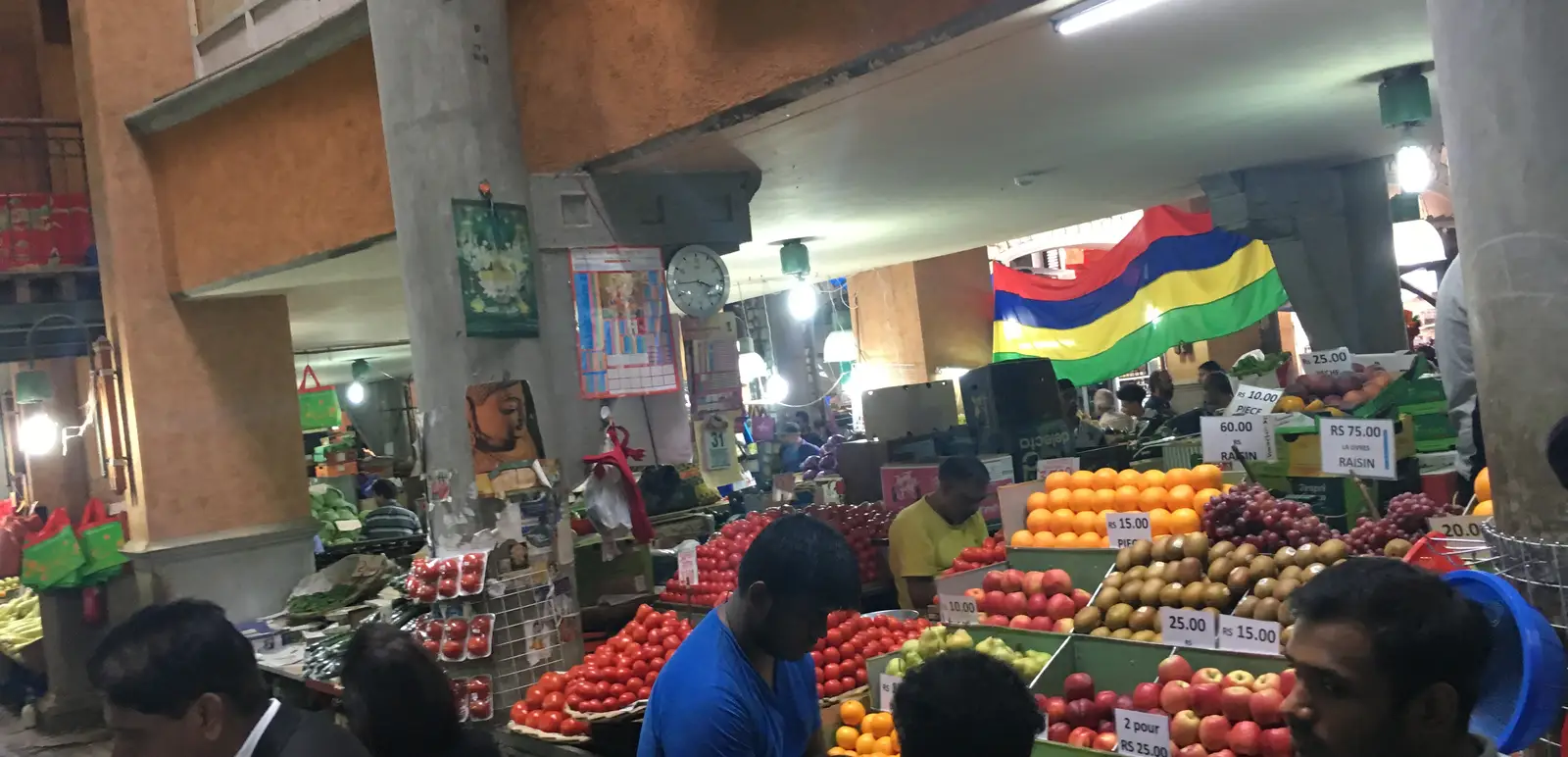
For mauritian creole. places often give the best explanation. A market shows language in motion. A Creole house reveals climate and social relations. A kabar makes memory felt through rhythm. A religious festival shows how private. family and public life meet.
This place-based reading avoids reducing culture to definitions. It connects a practice with a neighbourhood, village, family, island and history. It also reminds readers that traditions are not identical everywhere. Mauritius. Reunion Island. Rodrigues. Seychelles. Mayotte. Comoros. Madagascar each have nuances.
Attentive travellers ask simple questions. Who organises? Who transmits? Who participates? What is shared with visitors and what remains private? Those questions make the experience more respectful and richer.
Living heritage
Indian Ocean heritage does not live only in museums. It appears in voices, gestures, gardens, meals, clothing, processions, instruments and houses that are still inhabited.
For Mauritian Creole, that living dimension is essential. It invites patience. avoids cliché and shows that culture can change without disappearing. That ability to evolve is one of the region’s cultural strengths.
Simple map of the region
Mauritian Creole is the native language for many people in Mauritius. It is widely used at home. in shops. in music and in daily speech. English has an official role. French is also very visible. This mix can surprise visitors.
Reunion Creole lives with French. It is heard in families, markets, jokes, radio, music and politics. Créole réunionnais is not just informal speech. It is part of identity.
Seychellois Creole is an official language. That makes the Seychelles an important case for readers who want to understand language policy. A language spoken at home can also be used at school. in media and in public life.
How creoles developed
Many creoles grew in places. Where people with different languages had to live and work together. Some started near a pidgin language. Over time. children used them as full languages. Languages developed their own grammar. sounds and rules.
A French based creole is not bad French. A creole english is not bad English. Tok Pisin. créole haïtien. Gullah in South Carolina and the Indian Ocean creoles show different histories. The 18th century, slavery, trade and migration shaped many of them.
Useful terms
You may see langue créole. langue officielle. créole français. créole mauricien and océan indien in French sources. In English. use creole spoken. official language. native language and language spoken with care.
Travel respect
Learn greetings, but do not pretend to master a language after three words. Ask how to say a phrase. Listen to pronunciation. A small effort is welcome when it is humble.
For a travel site, language links well with music, food, markets, religion and family life. It helps readers see islands as societies, not only beaches.
Quick island examples
In Mauritius. a shopkeeper may greet you in Creole. switch to French. then answer a form in English. In Reunion. a family may speak French at work and Reunion Creole at home. In the Seychelles. Creole can appear in public signs and official life.
These examples make the topic easier. Creole languages are not only grammar. They are daily choices. They show who is close. who is formal and. Where a story belongs.
Frequently asked questions
Is Creole just French?
No. Creoles are languages with their own grammar. vocabulary and social rules.
Can travellers use French?
Often yes, but the situation varies by island.
What language is spoken in Mayotte?
Shimaore and Shibushi are widely used. with French in administration.
Are Creoles written?
Yes. although spelling standards and habits vary.
Sources / references
Methodology: every fact, figure and quotation is checked and sourced by the newsroom.

Author
Pascal Viroleau
Article produced under the newsroom charter: constructive journalism, cited sources and a stated level of verification.