Culture and heritage are essential for a serious island journey. Without them, the region becomes only beaches, when the stronger story also includes Creole culture, Mauritian culture, Seychelles culture, Indian Ocean trade, UNESCO heritage and music.
Creole culture
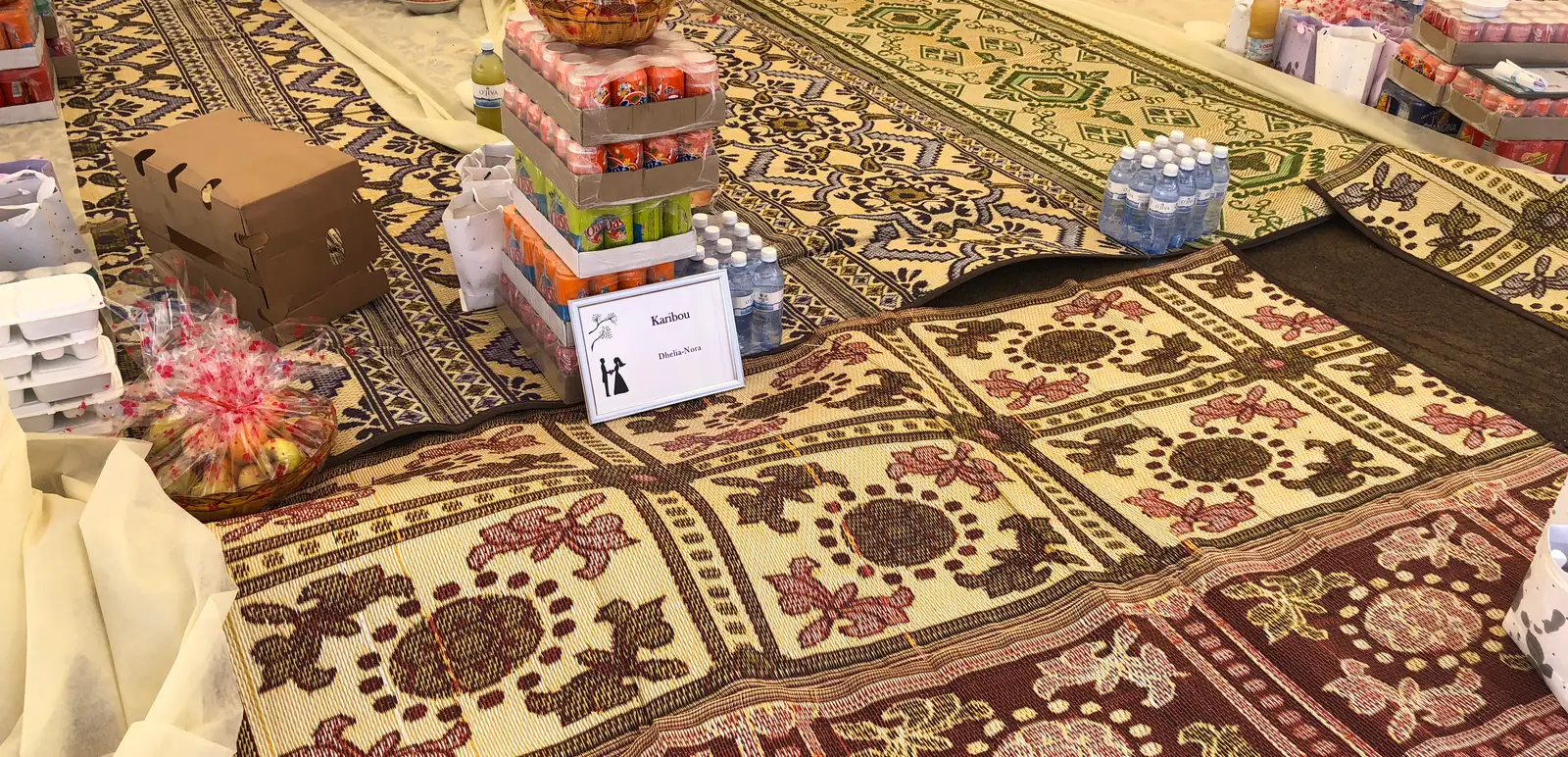
Creole culture appears in language, music, food, architecture and everyday social life. It is not identical from island to island. Reunion, Mauritius and Seychelles each have their own Creole expressions and histories.
Mauritian culture
Mauritian culture is plural, with Hindu, Muslim, Christian, Chinese, Creole and other influences sharing a small island space. Temples, mosques, churches, festivals and markets show this diversity.
Port Louis and Mauritian memory
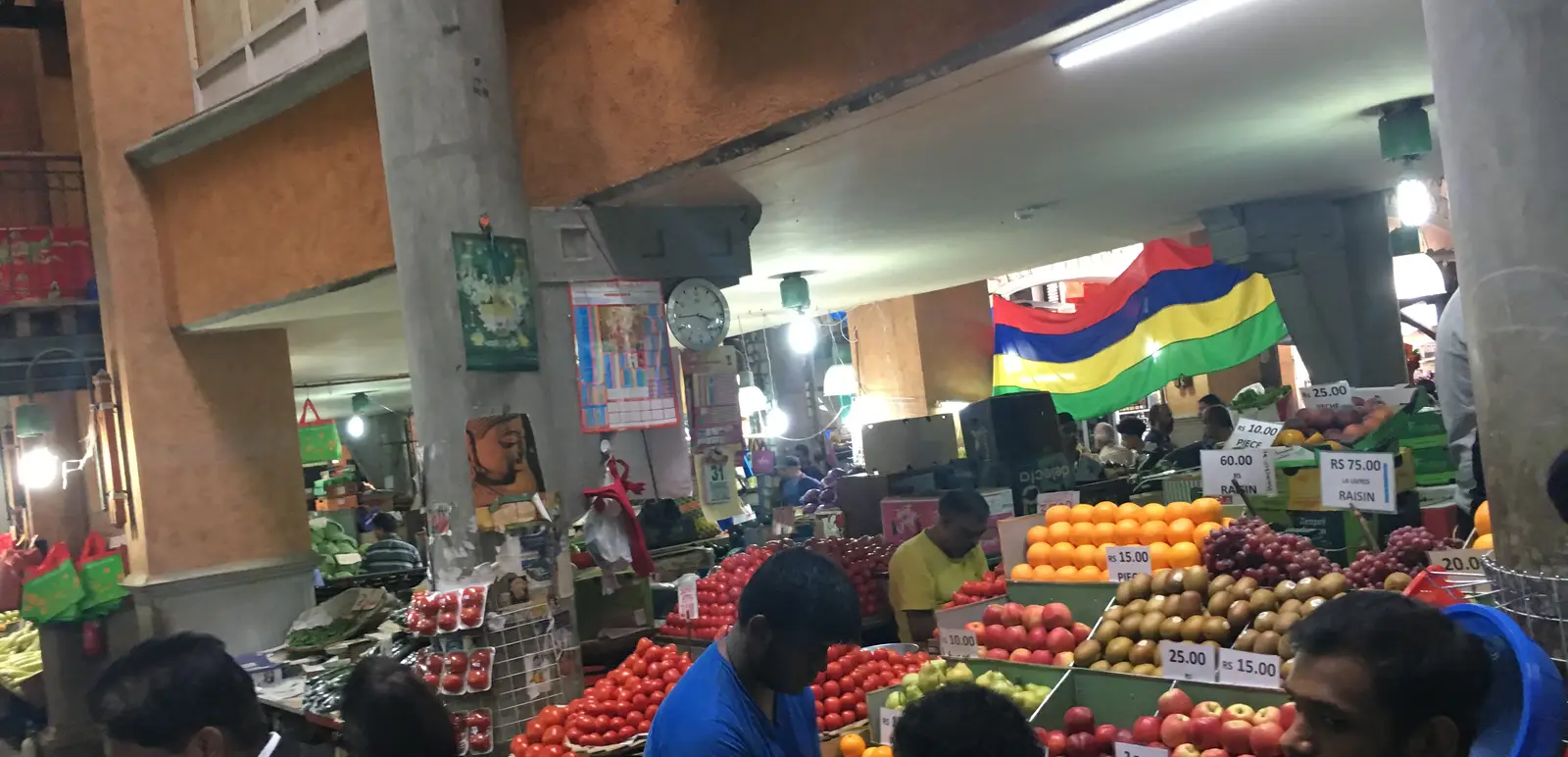
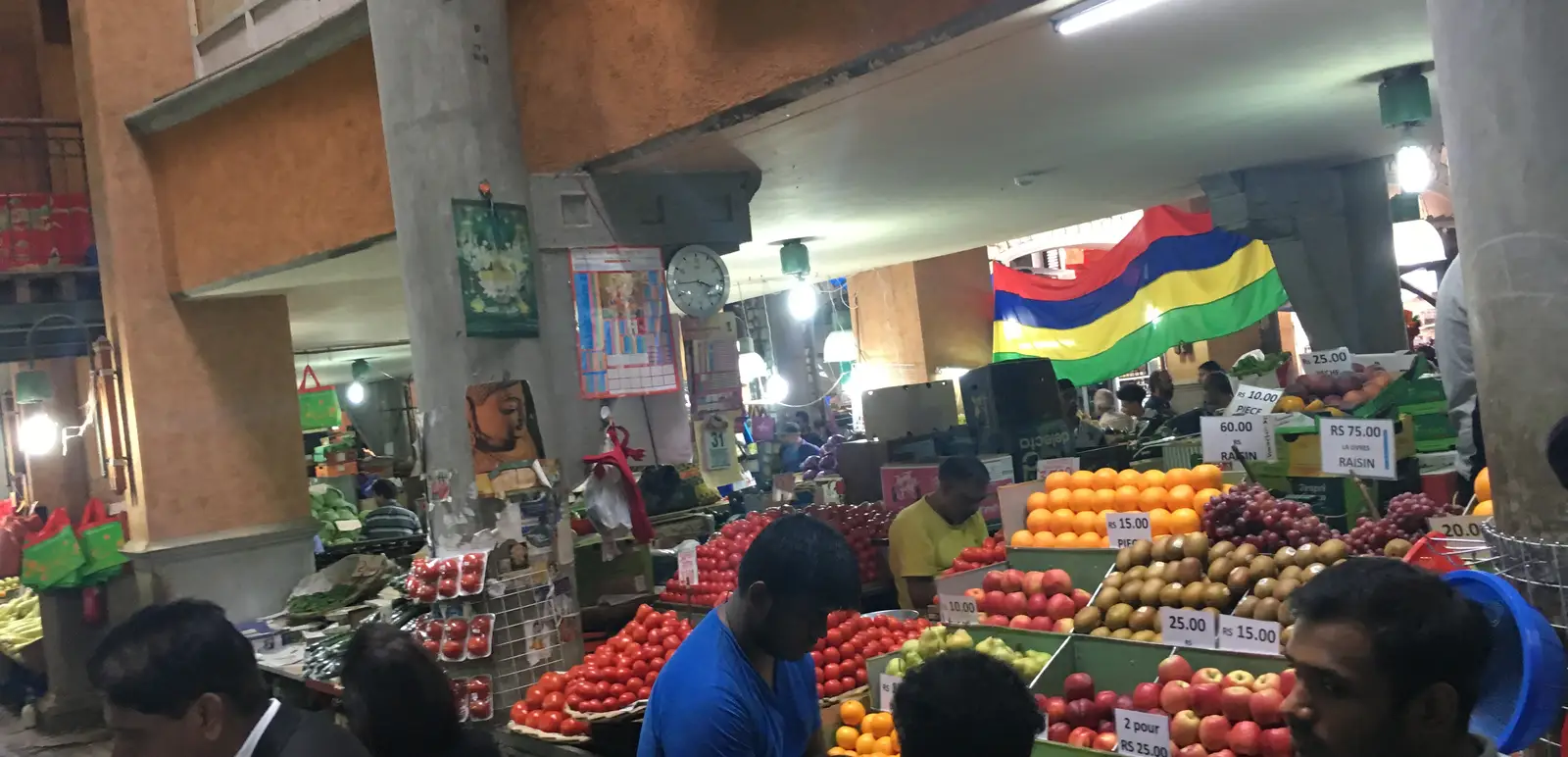
Port Louis helps travellers read Mauritian culture through markets, old streets, museums, religious places and the layers of the 18th century, 19th century and 20th century. Franco Mauritian, Creole, Indian and Chinese histories all leave traces.
Sega and music
Sega is one of the most visible cultural forms in Mauritius and Seychelles, while Reunion Island has maloya, a powerful musical tradition linked to memory and resistance. Music should be explained, not used only as entertainment background.
UNESCO heritage
Le Morne in Mauritius and other heritage sites help connect landscape with difficult histories. A responsible guide must treat slavery, maroonage and colonial memory with care.
Slavery and indenture
African slaves, the abolition of slavery and the arrival of indentured labourers shaped culture, land, food, music and family memory. This history should be handled directly, not hidden behind beach language.
Languages and ethnic groups
Official languages, everyday Creole speech, French language use, Indian and Chinese traditions and different ethnic groups all shape the region. Rural areas and capital cities may express culture in different ways.
Madagascar heritage
Madagascar has a cultural depth that cannot be summarized by wildlife. Highland history, royal sites, local customs, crafts, music and regional identities deserve attention.
Mayotte and Comoros
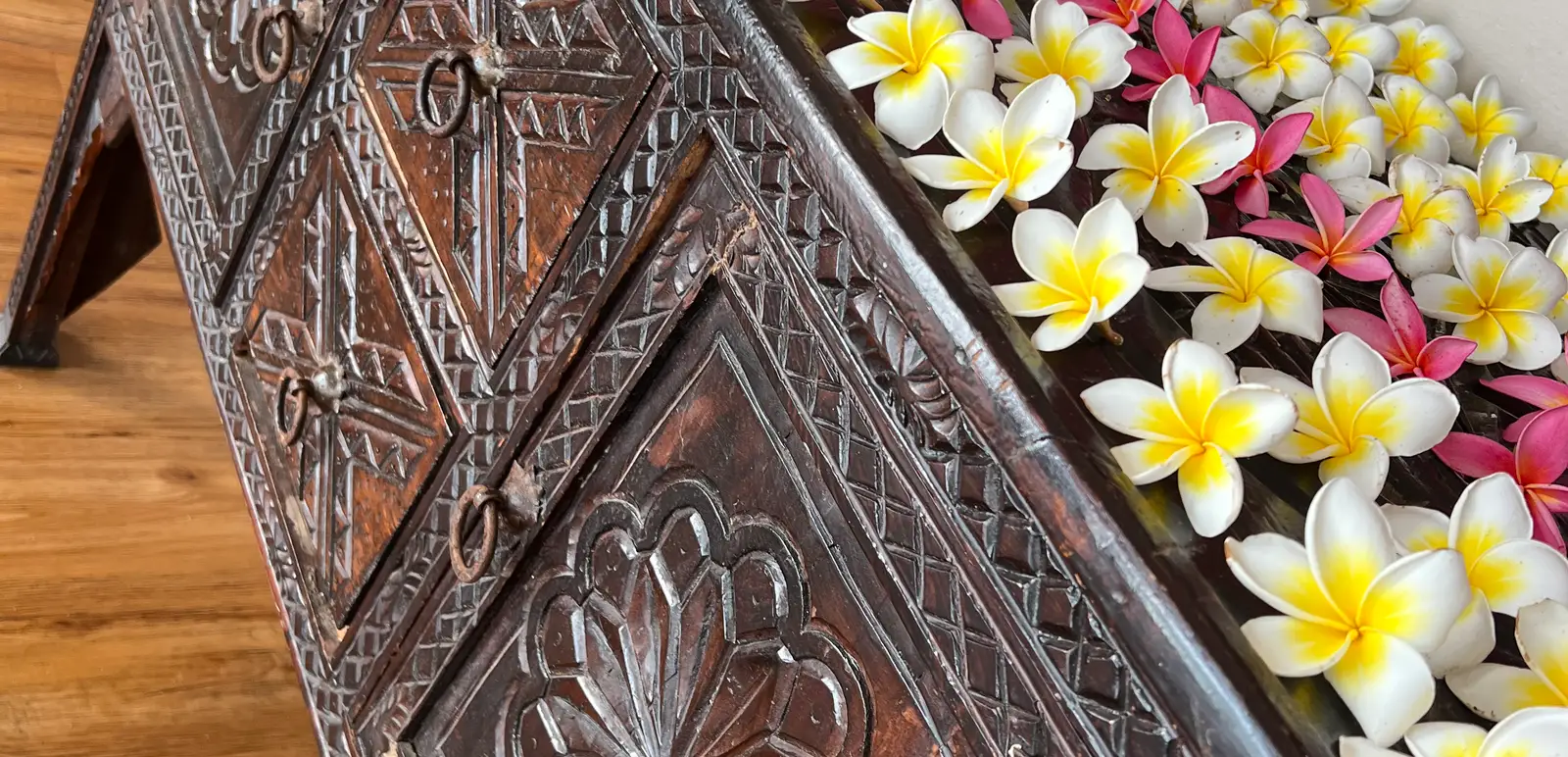
Mayotte and Comoros connect Swahili, Arab, Malagasy, African and French influences in distinct ways. Dress, faith, ceremonies and architecture require respectful observation.
Indian Ocean trade
Indian Ocean trade moved spices, textiles, people, ideas and faiths. That history explains why food, language and architecture feel connected across distant shores.
Culture begins before the beach
Indian Ocean culture should not be added as a rainy-day section after beaches. It shapes food, language, music, faith, markets, architecture, memory and how visitors should behave.
Mauritius, Reunion Island, Seychelles, Madagascar, Mayotte and Comoros share ocean routes, but each island expresses heritage differently.
Creole worlds are not identical
Creole culture in Mauritius is not the same as Creole culture in Reunion Island or Seychelles. Language, music, food, social history and political context change the meaning.
Sega and maloya need explanation, not only performance language. They connect pleasure, resistance, memory and everyday identity.
Memory, slavery and indenture
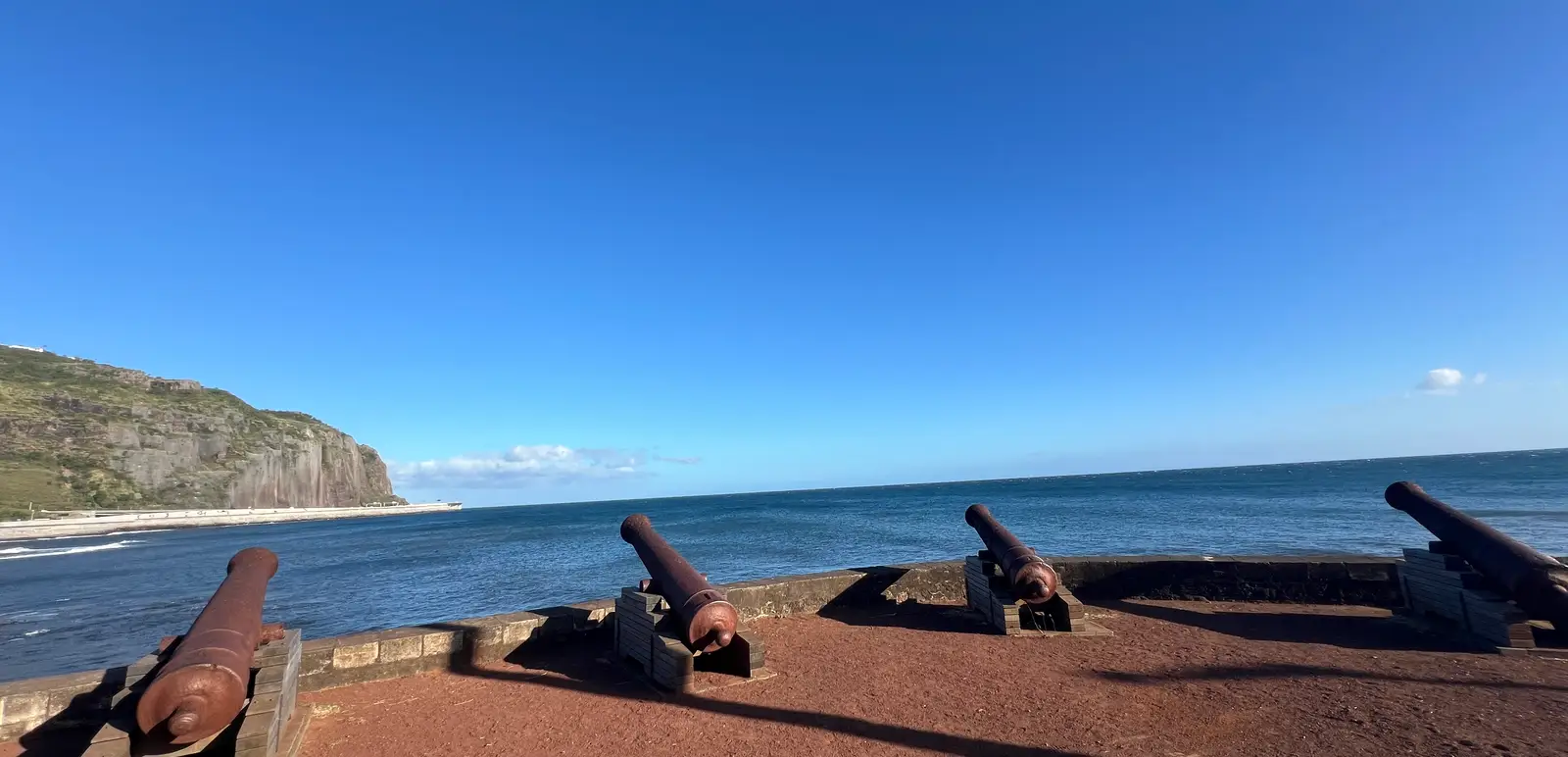
Le Morne, Aapravasi Ghat, plantation landscapes, old ports and family histories require careful writing. Slavery, maroonage, abolition and indenture shaped land, labor, food, religion and music.
A responsible heritage page should name difficult histories without letting pain become a tourist prop.
How travellers meet culture respectfully
Use guided walks, museums, markets, food, music and sacred places with preparation. Dress carefully, ask before photos and accept that some ceremonies are not for visitors.
Good cultural travel leaves space for ordinary life. The strongest stories often come from streets, kitchens, markets and memory, not only official monuments.
Mauritius as a cultural crossroads
Mauritian culture is visible in temples, mosques, churches, Chinese shops, Creole homes, sega music, markets and food. Port Louis, Grand Bassin, Le Morne and Aapravasi Ghat all show different parts of the same island memory.
The island should not be described as simply multicultural in a decorative way. Migration, slavery, indenture, trade, faith and colonial history shaped families, land and work.
Reunion, Seychelles and Madagascar
Reunion Island adds maloya, Creole language, mountain villages, French public life and memories of resistance. Seychelles culture adds Creole food, sega, Catholic traces, island conservation and a compact capital in Victoria.
Madagascar heritage is broader than wildlife. Highland history, royal memory, crafts, music, markets and regional identities make the island culturally deep even before a traveller reaches a national park.
Mayotte and Comoros with care
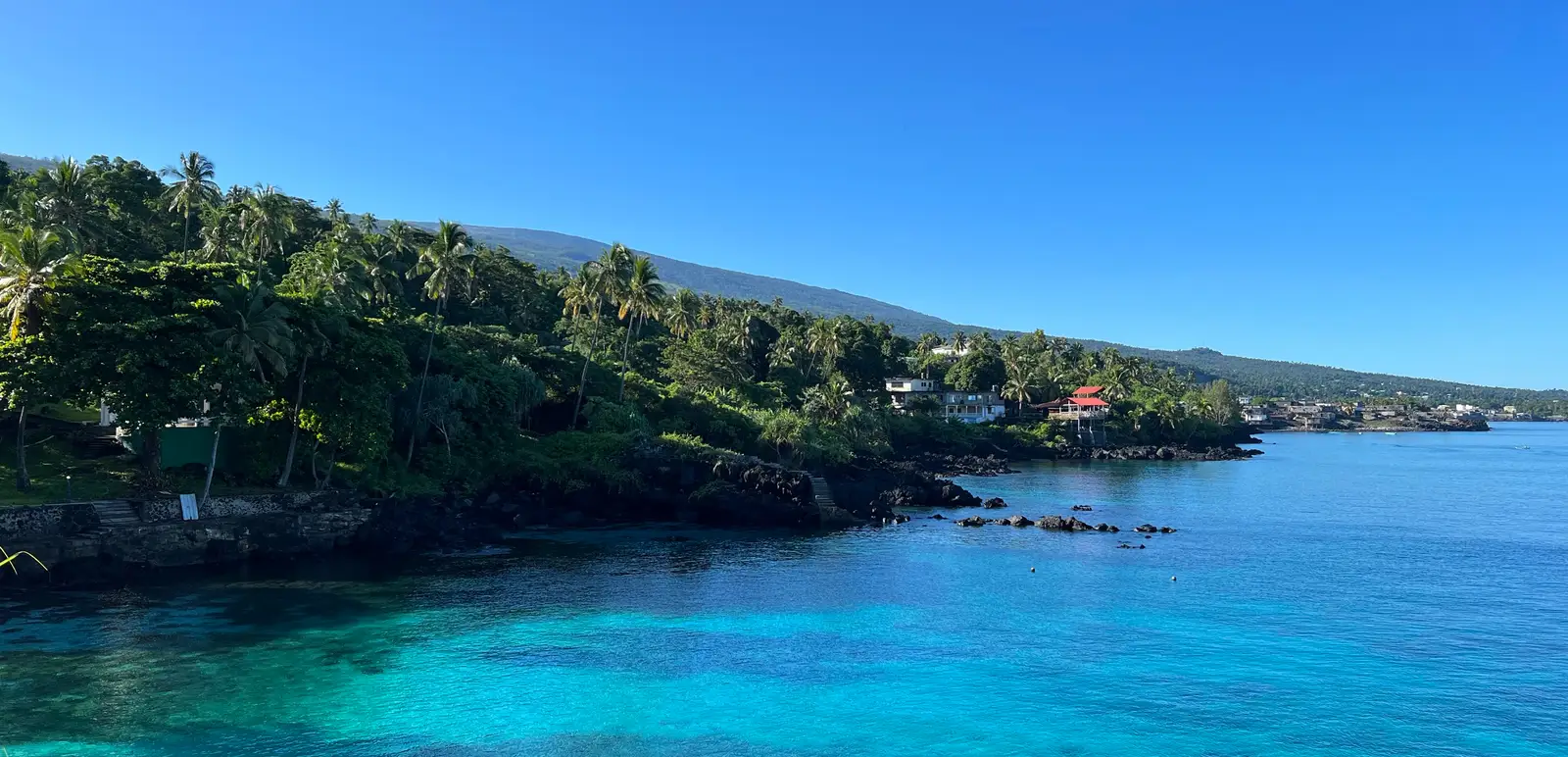
Mayotte and Comoros bring Swahili, Arab, Malagasy, African and French influences into the regional story. Dress, faith, ceremony and family privacy deserve especially careful writing.
A serious Indian Ocean culture page should help readers travel more gently. It should make beaches feel connected to language, memory, music, food and the people who live there.
Heritage sites and living memory
UNESCO heritage can help readers understand why Indian Ocean culture is not separate from landscape. Le Morne Brabant links a mountain to slavery, maroonage and memory. Aapravasi Ghat links Port Louis to indentured labourers and the 19th century.
These places should be visited with time and context. A short photo stop cannot explain colonial history, abolition, migration and family memory.
Music as more than atmosphere
Sega and maloya are often presented as entertainment, but they carry deeper stories. Sega is tied to Creole identity in Mauritius and Seychelles. Maloya in Reunion Island is linked with memory, resistance and the voices of enslaved and indentured people.
A good culture page explains why music, dance and language matter before suggesting a performance. It should not turn heritage into background sound for dinner.
Languages and everyday culture
French language, English, Creole languages, Malagasy, Comorian and other speech worlds appear across the region. Official language and everyday language are not always the same thing.
Travelers notice this in markets, churches, mosques, temples, music, food names and greetings. A few respectful words can change the tone of a visit.
Architecture, faith and public space
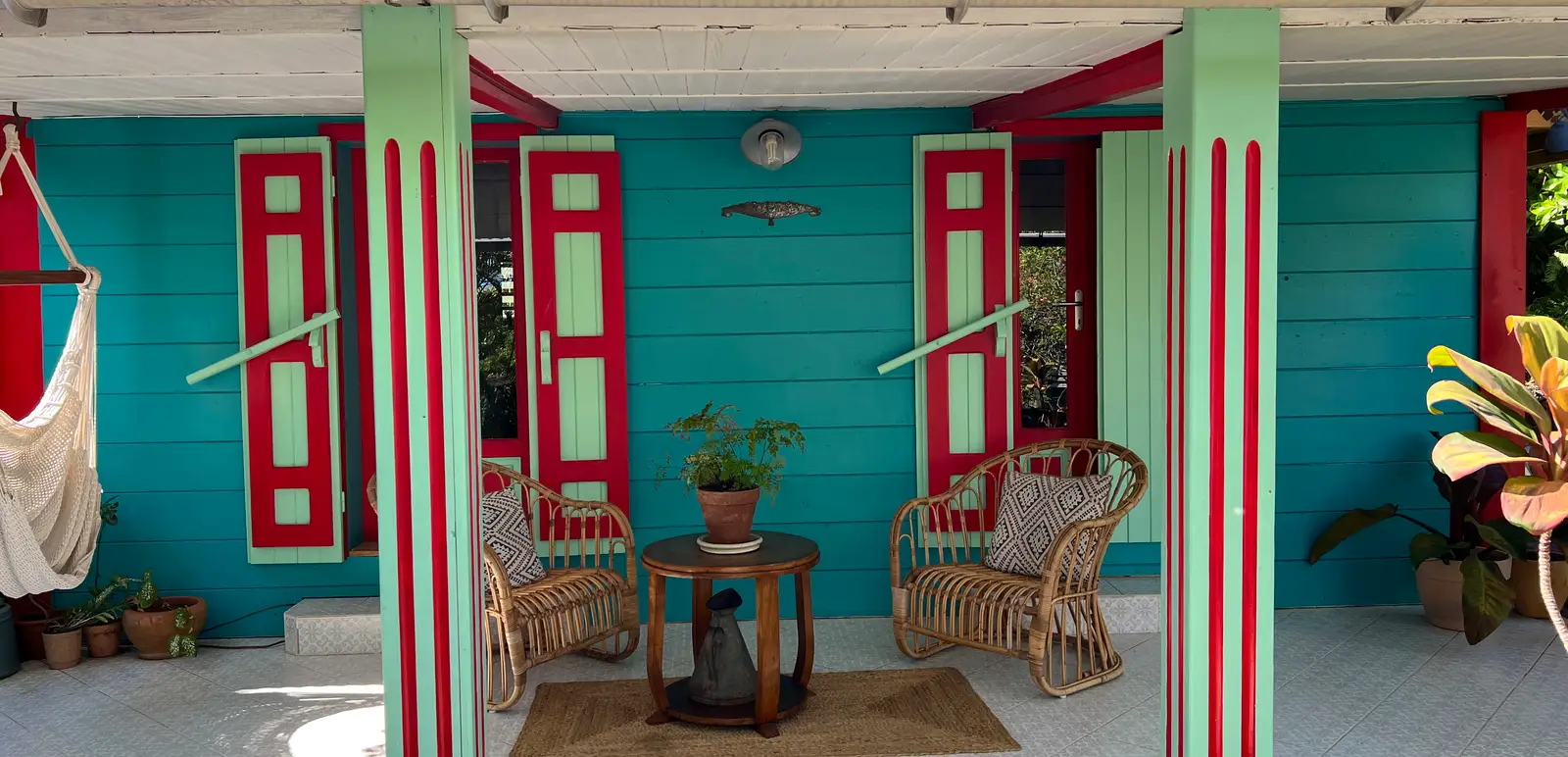
Port Louis, Saint-Denis, Victoria, Antananarivo, Moroni and villages across Mayotte all show different forms of public life. Temples, mosques, churches, old houses, markets and cemeteries tell stories that beaches cannot tell.
Faith should be handled carefully. Dress rules, photography, prayer times and ceremony limits are part of respectful travel, not optional details.
Culture by itinerary choice
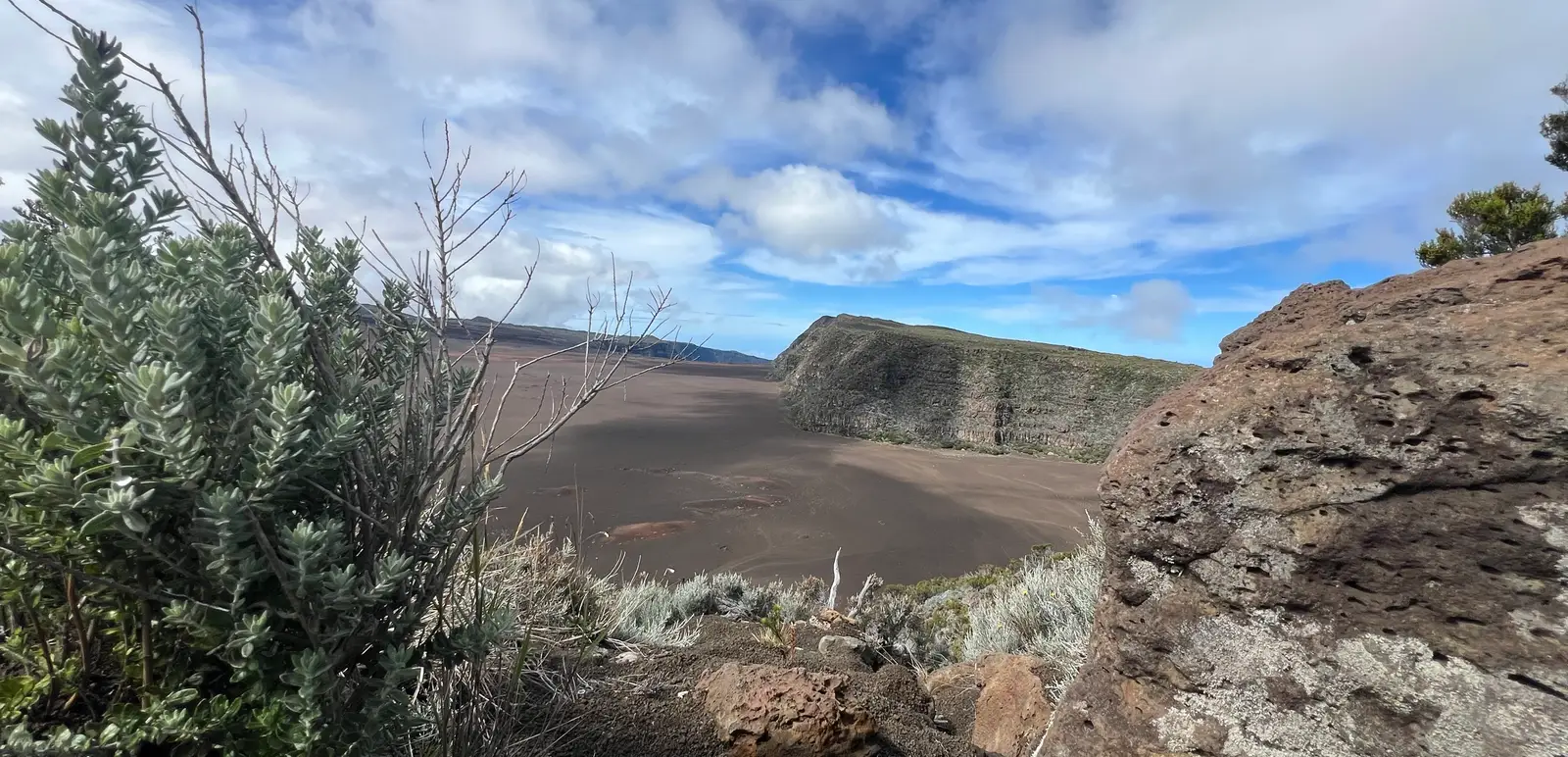
A traveller can build culture into every island route. Mauritius can pair Port Louis, Grand Bassin, Le Morne and food. Reunion Island can pair markets, maloya, Cilaos and Creole houses.
Seychelles can pair Victoria, Creole food and conservation. Madagascar can pair highland history, crafts and regional music. Mayotte and Comoros can pair markets, faith, dress and Swahili-Arab memory.
The best heritage article does not ask readers to choose between beach and culture. It shows that the beach has a history, a language, a food system and people behind it.
How to plan
Build culture into the itinerary through markets, museums, guided walks, music, food and conversations. Do not leave it as an accidental rainy-day activity.
Be careful with broad Creole comparisons. Search results may mix West Indian, Native American, Spanish colonial, United States or Southeast Asia histories, but Indian Ocean cultural heritage has its own routes, settlers, languages and memories.
Read about sensitive histories before visiting memorial landscapes. Respectful travel begins before arrival.
Travel better
Ask before photographing people, dress carefully in sacred places and avoid simplifying culture into costumes or performances.
A positive regional page can still be honest. Heritage includes beauty, creativity, pain and resilience.
Frequently asked questions
What is Creole culture?
Creole culture in the Indian Ocean refers to island cultures shaped by mixed histories, languages, food, music and social practices.
Which islands have strong cultural heritage?
Mauritius, Reunion Island, Seychelles, Madagascar, Mayotte and Comoros all have strong heritage, but each expresses it differently.
How can travellers be respectful?
Learn basic context, dress appropriately, ask before photos and use local guides for historical places.
Sources / references
Methodology: every fact, figure and quotation is checked and sourced by the newsroom.

Author
Pascal Viroleau
Article produced under the newsroom charter: constructive journalism, cited sources and a stated level of verification.