Diwali Mauritius
Diwali Mauritius is one of the most visible celebrations. It is a hindu festival and one of the great festivals of light. Clay lamps, sweets and family visits mark the day. Many people decorate their homes. The story celebrates good over evil and light over darkness.
The divali festival is not only a photo moment. It belongs to families and friends. Children see lamps and sweets. Adults remember the meaning. A visitor should look for meaning, not only colour.
Thaipoosam Cavadee
Thaipoosam Cavadee is important for the Tamil community. It follows the lunar calendar. The festival is linked with Murugan, a Hindu deity. The ritual can include fasting, prayer and carrying a cavadee.
In Mauritius, some processions take place near temples and roads. Watch with respect. Do not block worshippers. Ask before filming close faces.
Ganesh and Grand Bassin
Lord Ganesh appears in some Hindu celebrations. Grand Bassin is one of the most important sacred sites in Mauritius. It becomes especially busy during Maha Shivaratri. Pilgrims walk, pray and carry offerings.
Chinese New Year
Chinese New Year is also part of the island calendar. It brings family meals, red decorations and lion dances in some places. Port Louis is a good place to feel this mix of food, shops and street life.
Christian and public holidays
Christmas trees, church services and family meals show another side of Mauritius. Eid, All Saints’ Day and national events also matter. Mauritius celebrates many traditions because the island has many communities.
Food and home life
Festivals celebrated in public are only one part of the story. At home, people cook, clean, visit relatives and share sweets. Food can include cakes, curries, rice dishes, fruit, noix de coco and other special dishes.
Travel tips
Check dates before booking. Some festivals move with the lunar calendar. October and November are common for Diwali, but dates change. January and February can bring other celebrations. Public holidays may close offices, change traffic and fill some roads.
In Reunion, Saint Denis, Saint Pierre, Saint André and Saint Louis also have strong cultural calendars. The mix is not the same as Mauritius, but the idea is similar. Faith and community shape the year.
How to attend respectfully
Dress modestly near temples. Keep distance during prayer. Do not touch offerings. Avoid loud comments. If someone invites you to taste food, accept with gratitude or refuse gently.
A festival is not a show built for visitors. It is a living moment. The best travel attitude is simple: watch, listen, ask and thank people.
Meaning of light
In many homes, Diwali celebrates the festival with small lamps, clean rooms and shared sweets. Some stories speak about evil spirits. Others speak about good over evil. The exact story can change by family and tradition. The common idea is clear. Light should guide the home and the heart.
Planning around festivals
Book transport early when a large event is near. Roads can close. Buses can be full. Hotels near temples or busy towns can sell out. If you want a quiet trip, avoid the busiest hours. If you want to attend, arrive early and stay patient.
What visitors often miss
The strongest part is not always the parade. It can be the preparation. Families clean homes, buy flowers, cook, call relatives and prepare clothes. These small acts make the public moment possible.
Island differences
Mauritius has a very visible festival calendar because many communities live close together. Reunion has different balances. Seychelles and Madagascar have their own rhythms too. Indian Ocean festivals should be read island by island, not as one single tradition.
Food and sharing
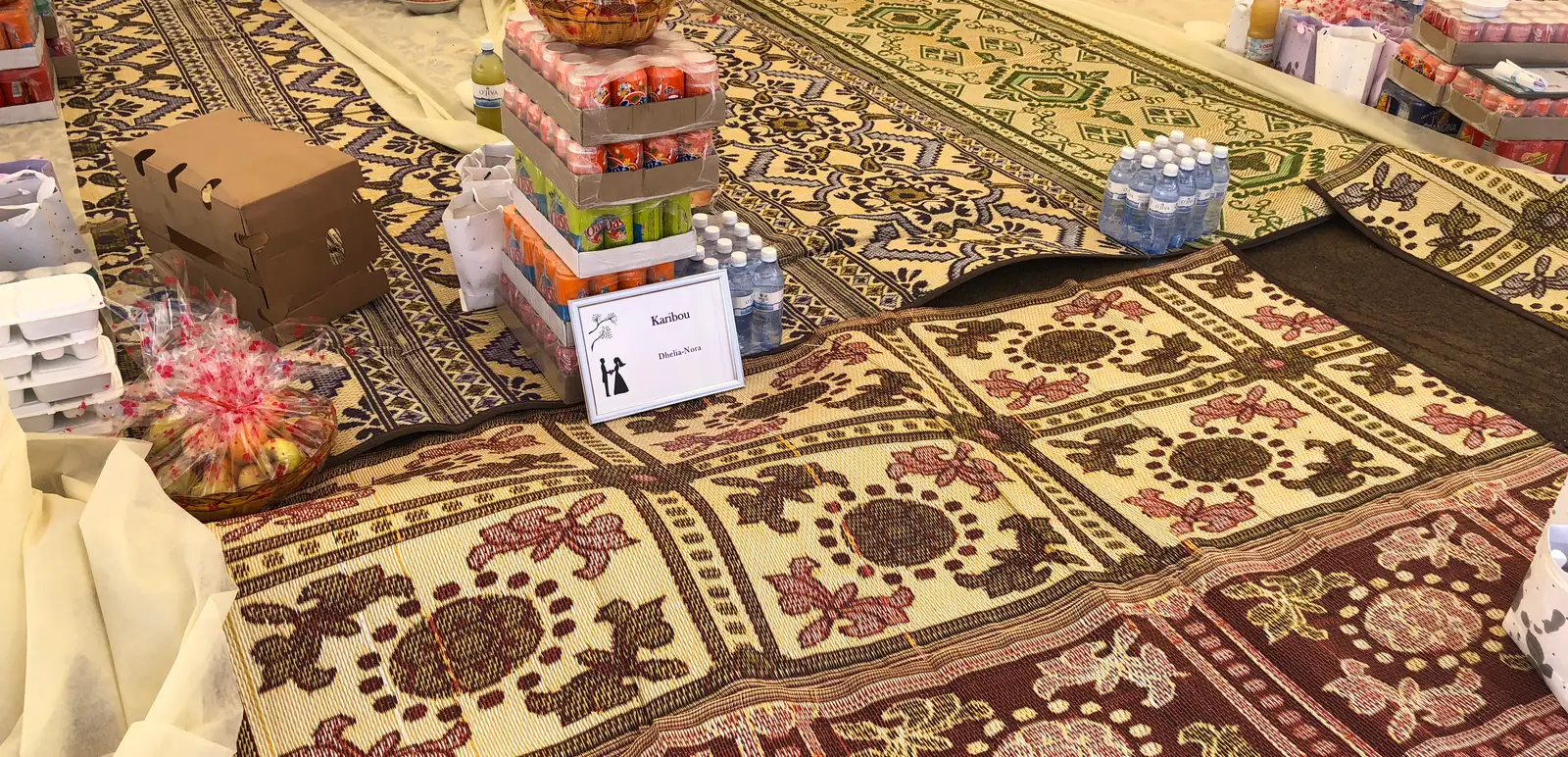
Food is often the easiest way to understand a celebration. A sweet, a rice dish or a shared drink can tell you who is present and what the day means. Accepting food with respect can open a better conversation than many questions.
Frequently asked questions
What is the best known festival in Mauritius?
Diwali is one of the most visible, but Thaipoosam Cavadee, Chinese New Year and Maha Shivaratri also matter.
Are festivals good for travellers?
Yes, if you respect worshippers, traffic and family spaces.
Do dates change?
Yes. Many events follow the lunar calendar.
Can I take photos?
Sometimes. Ask before close photos and avoid filming private prayer.
Sources / references
Methodology: every fact, figure and quotation is checked and sourced by the newsroom.
Author
Pascal Viroleau
Article produced under the newsroom charter: constructive journalism, cited sources and a stated level of verification.