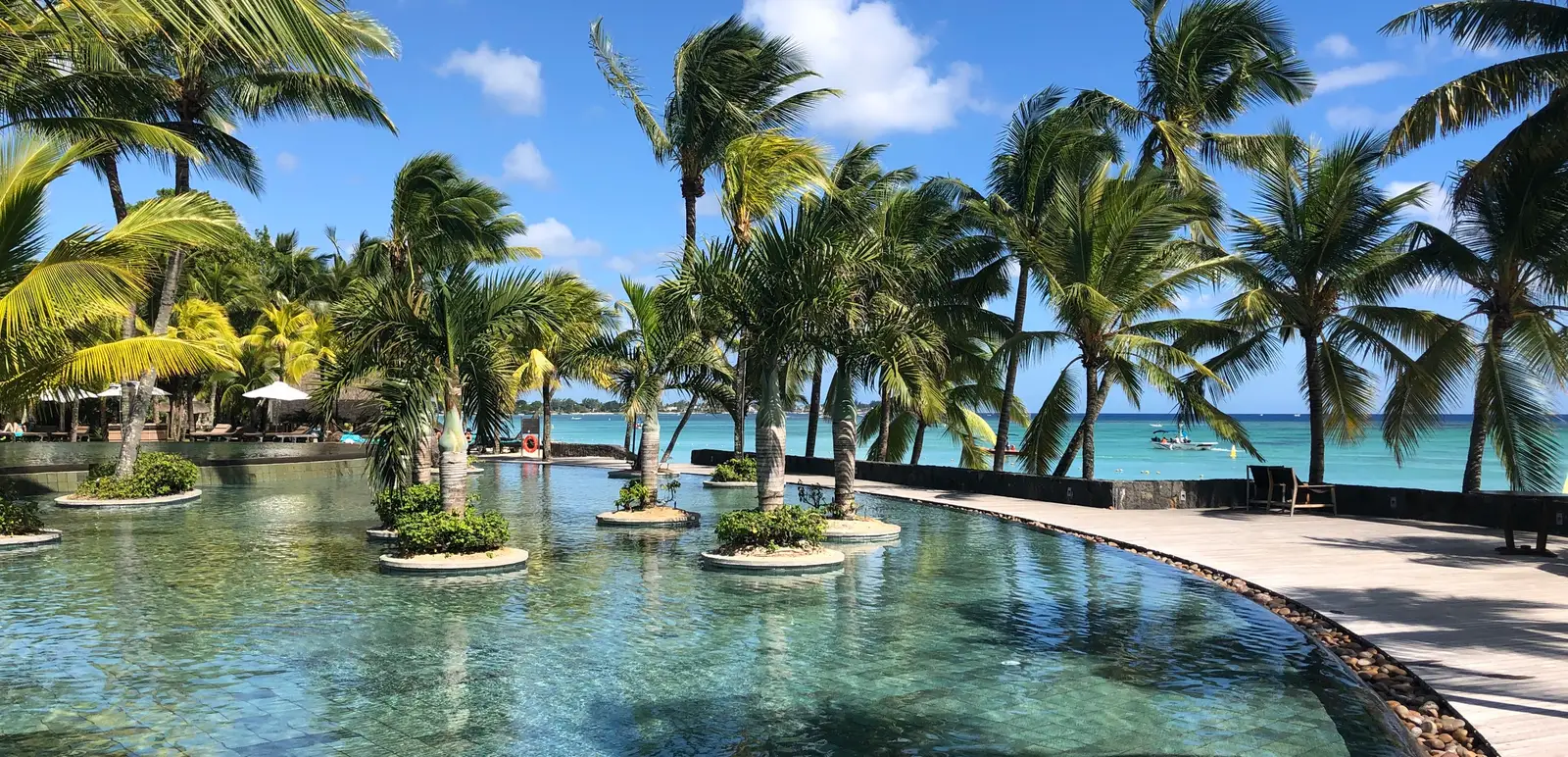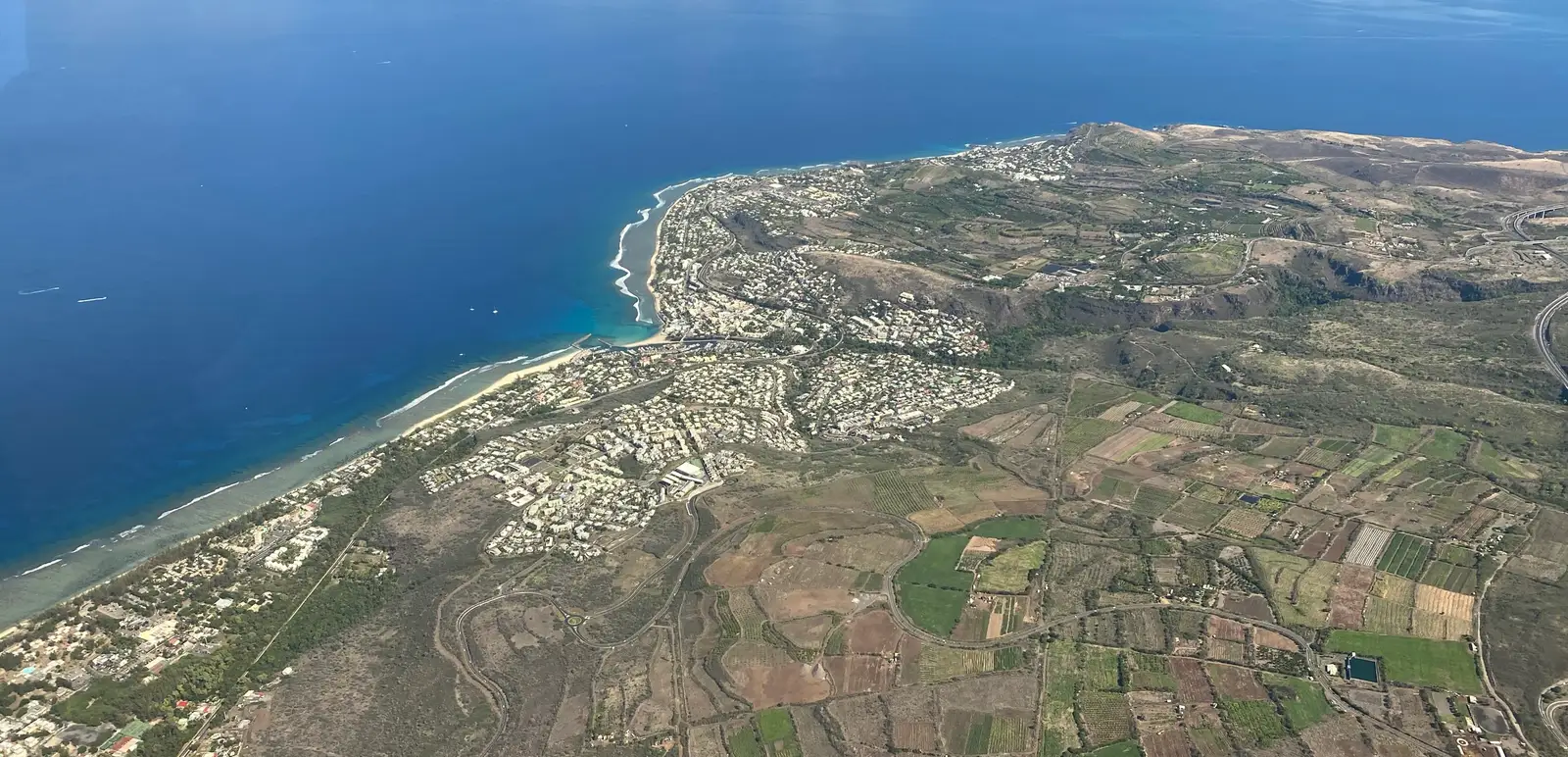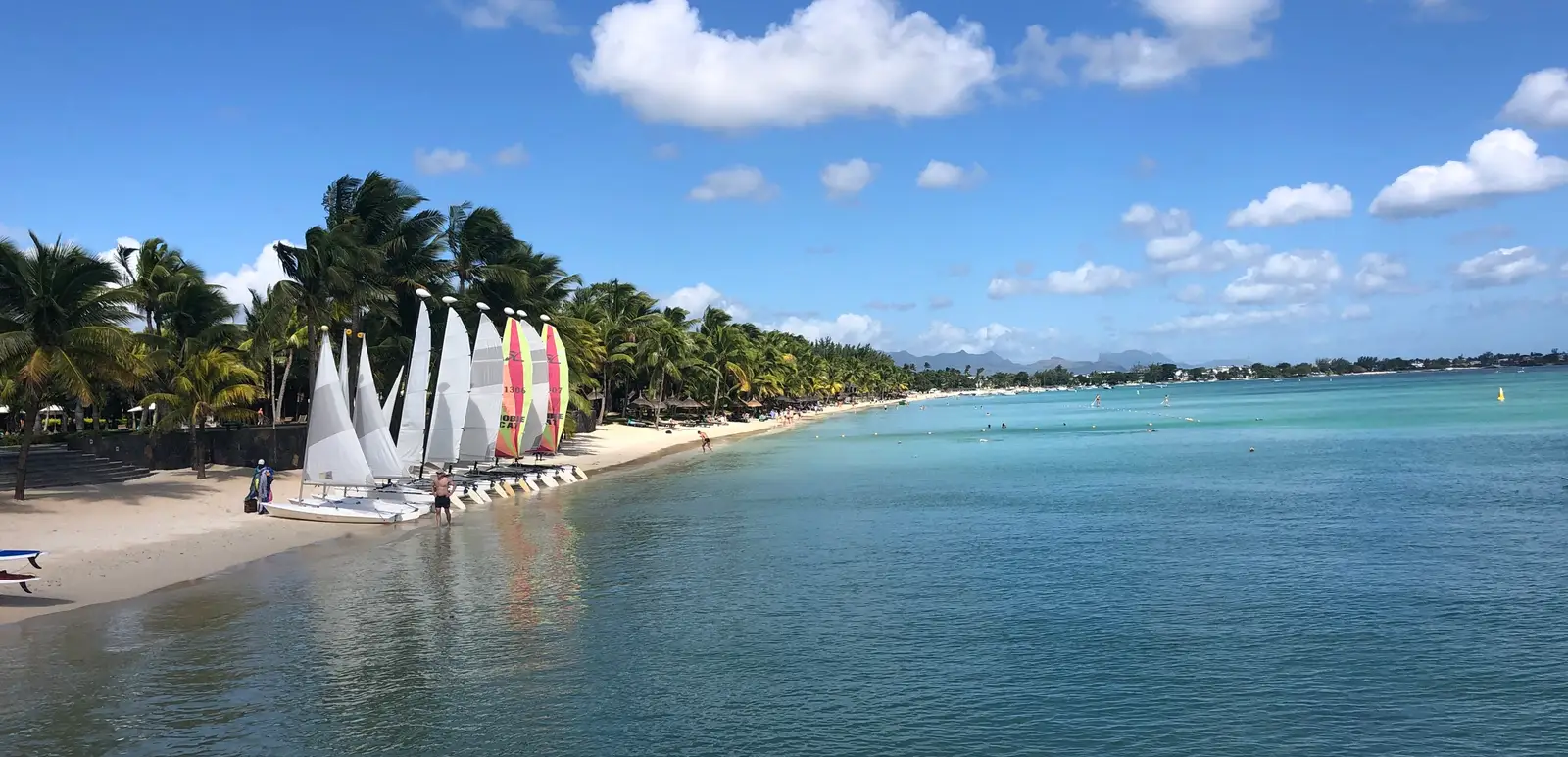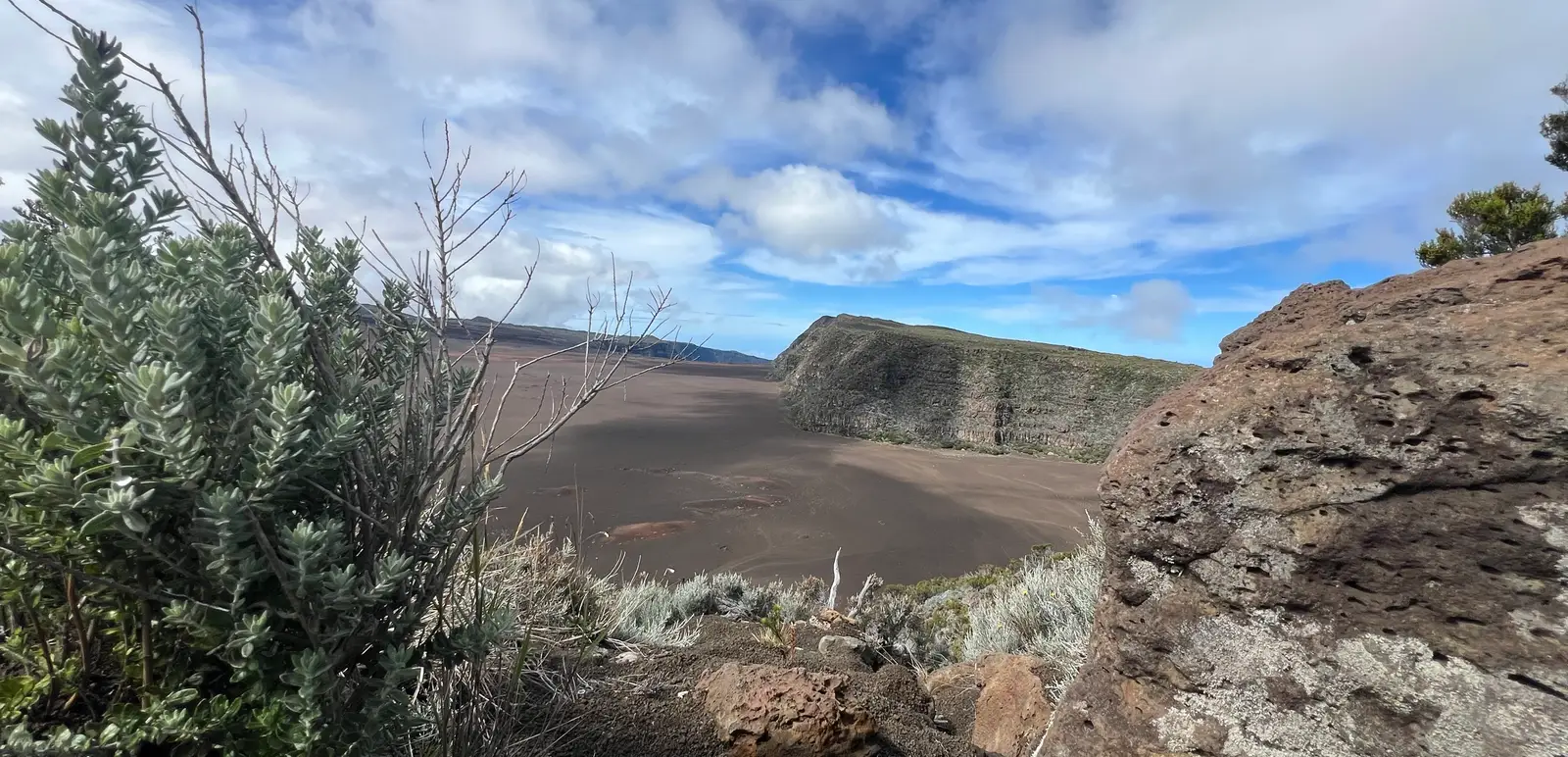
A strong seasonal plan starts with the broad region, then checks each island in detail. The best time to visit Mauritius and the best time to visit Seychelles are not always the same. Mountain, lagoon and wildlife trips each need their own timing.
Quick answer
For many travellers, May to October is the safest default for Mauritius, Reunion Island and several Madagascar routes. The weather is cooler, the dry season is easier for hiking, and humidity is lower.
For Seychelles, the best time to visit Seychelles often falls around April, May, October and November, when wind transitions can bring calmer seas. The islands remain possible year-round, but the right coast matters.
Month by month guide
January to March can be hot, humid and more exposed to cyclone season in parts of the south-west Indian Ocean. This time of year can still work, but plans need flexibility.
April and May often mark the shift toward easier travel. These months can be good for beaches, diving and snorkelling, and first-time visitors who want warm conditions without peak humidity.
June to September are usually cooler. This is a strong period for hiking in Reunion Island, road trips in parts of Madagascar and comfortable touring in Mauritius.
October and November are valuable shoulder months. October and November can bring calmer water in Seychelles, warmer days in Mauritius and better balance between beach time and activity planning.
Mauritius by season
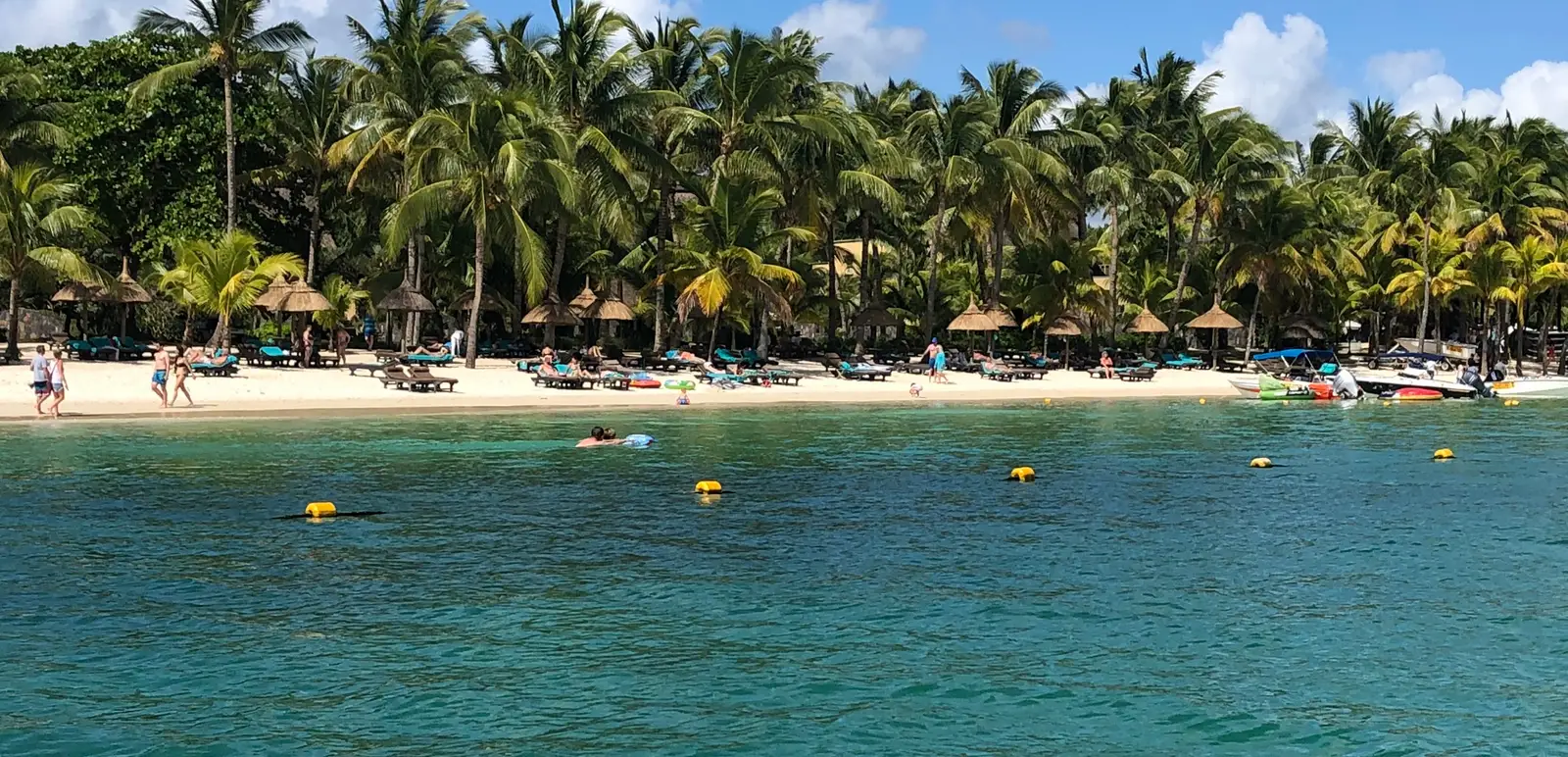
The best time to visit Mauritius depends on the coast. The west coast can feel different from the east coast, especially when the southeast trade wind is stronger. Travel to Mauritius for water sports, beaches or inland touring should be planned around the exact coast, not only the month.
Seychelles by season
Seychelles weather is shaped by northwest trade winds, southeast trade wind patterns and local exposure. Choose beaches, ferries and crystal clear waters with the season in mind. A beach that looks perfect in photos can be windy during another part of the year.
Other islands
Reunion Island is usually best for hiking in the cooler months, although mountain weather changes quickly. Madagascar is regional: roads, rainforests, whale watching and dry western routes do not follow one simple rule.
Mayotte and Comoros need close local checks for sea state, rain and transport. Lagoon trips, turtle observation and boat days should follow local advice.
Use the season as a filter, not a promise. A good month still needs the right coast, the right activity and a backup plan.
For a family trip, prioritize calmer logistics and safer swimming conditions. For an active trip, protect early mornings and keep hard hiking days away from long transfers.
How to choose
If beaches matter most, study wind and sea conditions. If hiking matters most, choose cooler and drier months. If wildlife matters most, match the trip to turtles, whales, lemurs, birds or nesting periods.
Start planning with the activity, then choose the island and month. Travel experts can help when the journey depends on a narrow season, school holidays, a festival of light period or specialist guides.
What to book first
Book small lodges, mountain refuges, ferries, internal flights and specialist guides before filling the calendar with beach days. Flexible hotel rules also matter during cyclone season, because weather can affect flights, boats and mountain access.
Keep one free day on longer routes. That extra day can save a hike, a boat trip or a market visit when rain, wind or rough seas change the plan.
Best months by activity
For white sand beaches and sunny weather, the best months depend on coast exposure. Mauritius often feels easier in the cooler dry season, while Seychelles rewards careful use of the trade winds and shoulder months.
For hiking, Reunion Island is usually strongest from May to October because warm temperatures are lower in the mountains and the dry season gives more reliable early starts.
For coral reefs, snorkeling and diving, ideal conditions depend on visibility, swell and wind. A tropical paradise image is not enough; water clarity changes by island and by month.
For wildlife, timing is more specific. Humpback whales have seasonal windows around parts of Madagascar and the region. Turtles, birds and lemurs follow different rhythms.
Peak season and shoulder season
Peak season can bring world class beach days, but it can also bring higher prices, fuller hotels and less flexible guiding. Shoulder months often give better balance for travellers who can avoid school holiday pressure.
The safest advice is to match the island and the activity before choosing the month. A good month for the east coast of one island may not be the best answer for another coast or another country.
Cyclone season without panic
Cyclone season and tropical storms should be explained clearly. They do not make every day impossible, but they do require flexible bookings, weather checks and respect for local warnings.
During the warmer wet season, build more margin around ferries, flights, mountain roads and boat trips. Never force a lagoon outing because the calendar says it is the only available day.
Indian Ocean comparisons
Sri Lanka and the Maldives often appear in wider Indian Ocean searches, but this page focuses on Mauritius, Reunion Island, Seychelles, Madagascar, Mayotte and Comoros. Those islands have different weather patterns and different travel realities.
Times to visit should be chosen for the exact route. A family beach holiday, a volcano hiking trip and a Madagascar wildlife route should not use the same seasonal answer.
Travel better
Seasonal travel should also protect places. Avoid disturbing turtles on nesting beaches, do not enter closed trails and respect marine conditions when operators cancel a trip.
The best month is not only the sunniest month. It is the period when your chosen activity can happen safely and respectfully.
Frequently asked questions
What is the safest season for a first trip?
May to October is often the easiest default for Mauritius, Reunion Island and many regional routes.
When is cyclone season in the Indian Ocean?
Cyclone risk is generally associated with the warmer wet season, especially from roughly November to April, though timing varies.
Can you visit Seychelles year-round?
Yes, but wind and sea conditions change. Choose the coast and activities carefully.
Sources / references
Methodology: every fact, figure and quotation is checked and sourced by the newsroom.

Author
Pascal Viroleau
Article produced under the newsroom charter: constructive journalism, cited sources and a stated level of verification.