The best places to see lemurs in Madagascar depend on time, route and habitat. A serious trip should combine good guides, national parks and realistic travel distances rather than chasing a single perfect photograph.
Andasibe-Mantadia
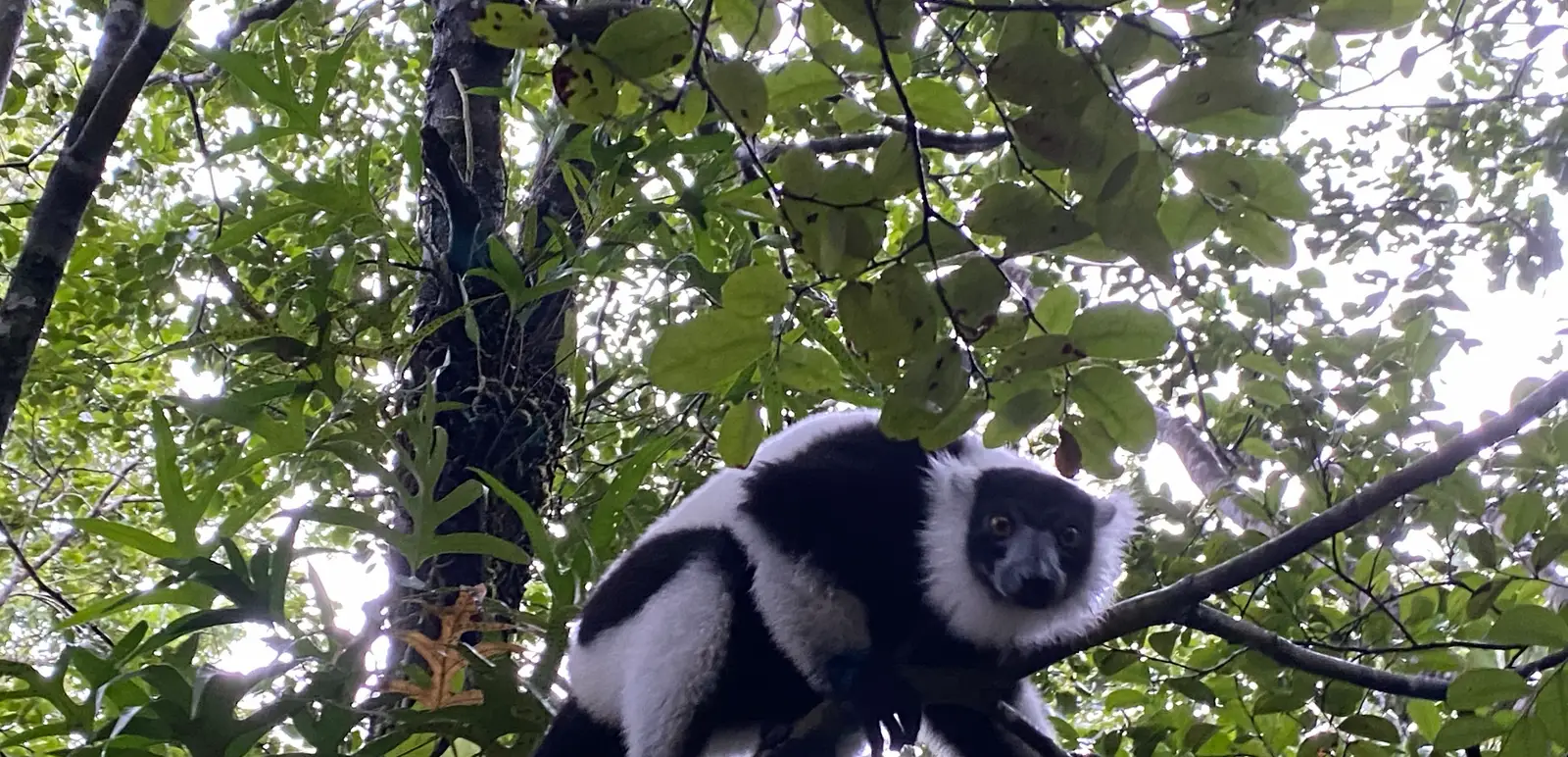
Andasibe is one of the most practical places for a first lemur experience. It is famous for the indri, whose call can carry through the forest and become one of the strongest memories of the trip.
The area is reachable from Antananarivo compared with more remote parks, which makes it useful for travellers with limited time. Go early, take a guide and accept that forest sightings require patience.
Ranomafana
Ranomafana offers rainforest, slopes, mist and strong biodiversity. It is excellent for travellers who want a deeper wildlife route and are ready for longer drives.
The park can be humid and demanding. Good shoes, slow walking and a knowledgeable guide matter more than rushing from one species name to another.
Anja Community Reserve
Anja is known for ring-tailed lemurs and community-based conservation. The landscape is different from rainforest parks, with rocks, dry vegetation and open views.
It works well on a southern route and helps travellers see how local communities can connect tourism income with habitat protection.
Berenty and dry forest sites
Berenty and other dry forest areas show another side of lemur habitat. Ring-tailed lemurs and sifakas are often associated with these landscapes, though access and route planning must be checked carefully.
Madagascar is too large for careless itineraries. A park that looks close on a map may still require a serious travel day.
Do not feed lemurs
Feeding lemurs changes behaviour and can harm animals. Avoid places where wildlife contact feels staged. The goal is to observe natural behaviour, not to turn endangered animals into props.
A responsible guide will manage distance, explain species and help you understand forest threats such as habitat loss, fragmentation and hunting pressure.
How to plan a lemur route
For a short trip, pair Antananarivo with Andasibe. For a longer trip, add Ranomafana, Anja or a western/southern route depending on season and road conditions.
If you also want Avenue of the Baobabs or Sainte Marie whales, be careful. Madagascar rewards focus. Trying to see every icon can produce more transfers than experience.
Why lemurs matter
Lemurs are not just cute animals. They represent Madagascar’s long isolation, endemic evolution and conservation urgency. Searches like Madagascar lemurs and lemurs Madagascar should lead readers toward protected areas and better choices.
The strongest journey is one where the traveller leaves with more than a checklist. They understand why each forest matters.
Species travellers ask about
Madagascar lemurs include indri, sifakas, ring-tailed lemurs, bamboo lemurs, brown lemurs and many smaller nocturnal species. Each species belongs to a habitat, and the best sightings depend on forest type, season, guide skill and patience.
The indri is the emotional highlight for many visitors in Andasibe because of its powerful call. Ring-tailed lemurs are strongly linked with drier southern landscapes such as Anja and Berenty. Sifakas are famous for their sideways movement on the ground, but travellers should not expect the same species everywhere.
National parks and reserves
Andasibe-Mantadia National Park is useful for a first trip because it combines strong wildlife interest with a route that is easier than many remote regions. Ranomafana National Park is richer and wetter, with complex rainforest and a more demanding travel rhythm.
Anja Community Reserve offers a different model, where local communities connect tourism income with habitat protection. Berenty and other southern sites help explain spiny forest and dry forest ecology.
Night walks and guides
Some lemurs are nocturnal, so night walks may reveal mouse lemurs, chameleons, frogs and insects. These walks should follow local rules. Lights, noise and crowding can disturb wildlife.
A good guide does more than point. They read calls, movement, fruiting trees, weather and the behaviour of other forest animals. This is why guided visits usually outperform independent wandering.
Habitat loss and ethics
Madagascar wildlife content must mention habitat loss. Lemurs face pressure from deforestation, fire, hunting, fragmentation and poverty around protected areas. Tourism is not a magic solution, but it can support guides, reserves and local jobs when done carefully.
Avoid staged contact, feeding and selfies. If a lemur climbs on visitors because food is offered, the experience may be memorable for the wrong reasons.
How to choose a route
For a seven- to ten-day wildlife route, focus on Antananarivo, Andasibe and one additional region. For two weeks, consider adding Ranomafana or a southern route. Add Avenue of the Baobabs only if you accept the extra travel time.
Madagascar lemurs attract broad search traffic, but the best page should help readers choose fewer parks better, not collect place names without understanding the island.
Important lemur species to know
There are many lemur species, and no single park represents them all. Some species of lemurs prefer rainforest, while others live in dry forest, spiny forest or gallery forest. This is why lemurs live across very different landscapes and why a strong route includes habitat variety.
The indri is the voice of Andasibe for many travellers. Diademed sifaka can also be a major highlight in eastern rainforest areas. Common brown lemur sightings may be easier in some visited forests, but easy sightings should not make the animal feel ordinary.
In the south and south-west, ring-tailed lemurs are strongly associated with open dry landscapes. Their scientific name is Lemur catta. Verreaux’s sifaka, sometimes searched online as Verreaux s sifaka, is another iconic dry-forest species because of its pale body and leaping movement.
Night species and the aye aye
The aye aye is one of Madagascar’s strangest mammals. Its long middle finger is used to extract food, and its appearance has created many myths. Seeing one in the wild is difficult and should never be promised casually.
Sportive lemur species and mouse lemurs may appear during night walks, depending on site and guide. Night wildlife needs special care. Keep voices low, follow local rules and avoid shining lights too aggressively.
Conservation status
Many lemur populations are under pressure, and some species are critically endangered. The threats are long term: forest loss, fragmentation, hunting, climate stress and the economic reality of communities living near protected areas.
This is why park fees, local guides and community reserves matter. They do not solve everything, but they can make living lemurs more valuable than cleared forest when tourism is managed carefully.
Choosing parks by habitat
Choose Andasibe for indri and a practical first rainforest experience. Choose Ranomafana for richer rainforest biodiversity and a more ambitious route. Choose Anja for ring-tailed lemurs and community conservation. Choose Berenty or similar southern sites for dry forest species and a different landscape.
If you have only one week, do not try to see every lemur. Choose one strong forest area and give it enough time. If you have two weeks or more, combine rainforest and dry forest so the trip teaches real ecological variety.
Photography and behaviour
Use a zoom lens rather than moving too close. Do not call, clap, feed or pressure guides to create a better image. A natural leap, a feeding group or a distant indri call is more valuable than a staged close-up.
Madagascar lemurs are not props for social media. They are the living result of island evolution, and the best travel writing should make readers feel that responsibility.
Frequently asked questions
Where is the best place to see lemurs in Madagascar?
Andasibe is one of the easiest first choices. Ranomafana, Anja and southern reserves add different habitats and species.
Can you see lemurs near Antananarivo?
Some sites are closer than others, but the strongest wild forest experience usually requires traveling to protected areas.
Should you use a guide?
Yes. A good guide improves sightings and helps explain behaviour, habitat and conservation.
Sources / references
Methodology: every fact, figure and quotation is checked and sourced by the newsroom.

Author
Pascal Viroleau
Article produced under the newsroom charter: constructive journalism, cited sources and a stated level of verification.