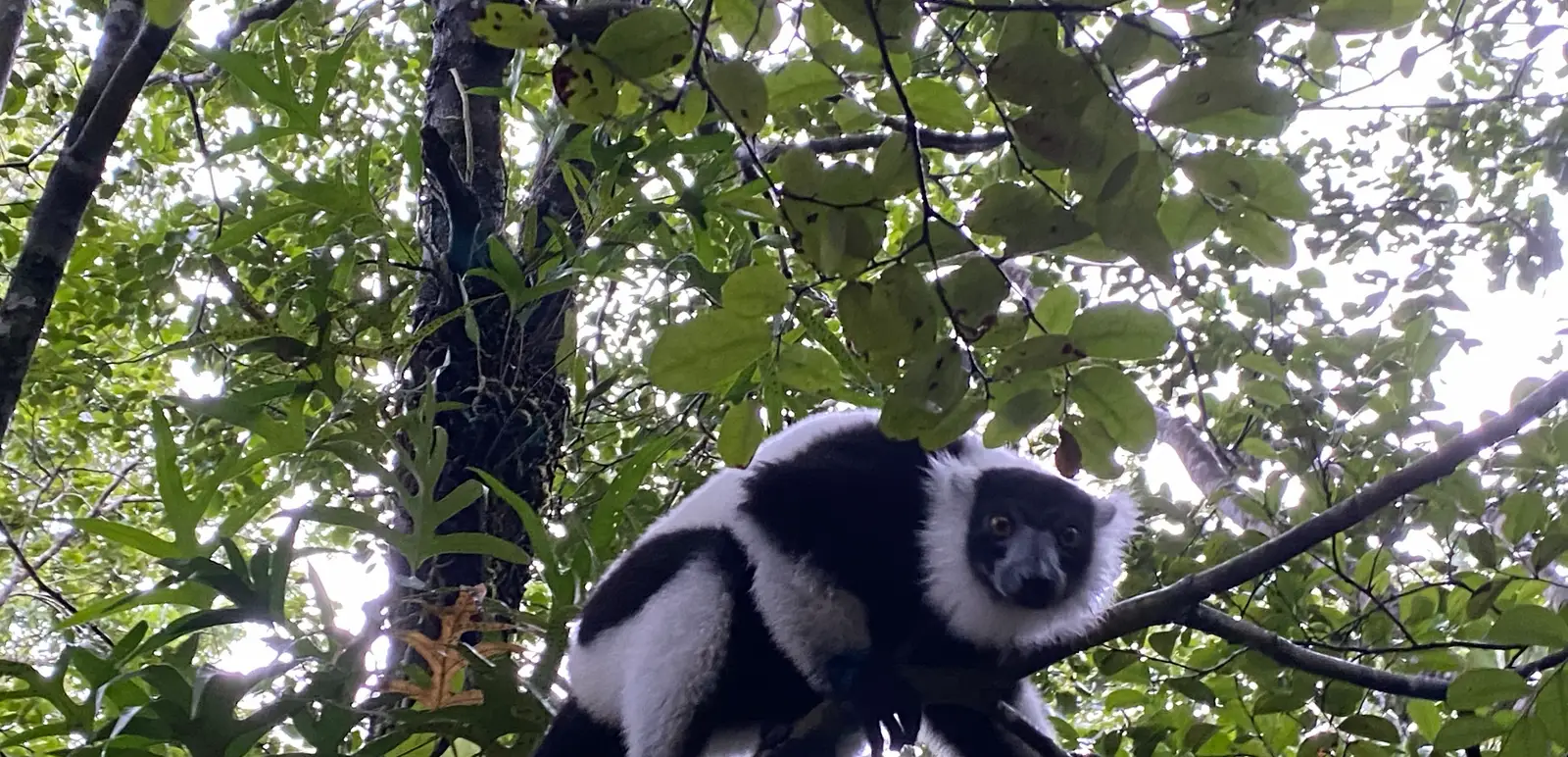
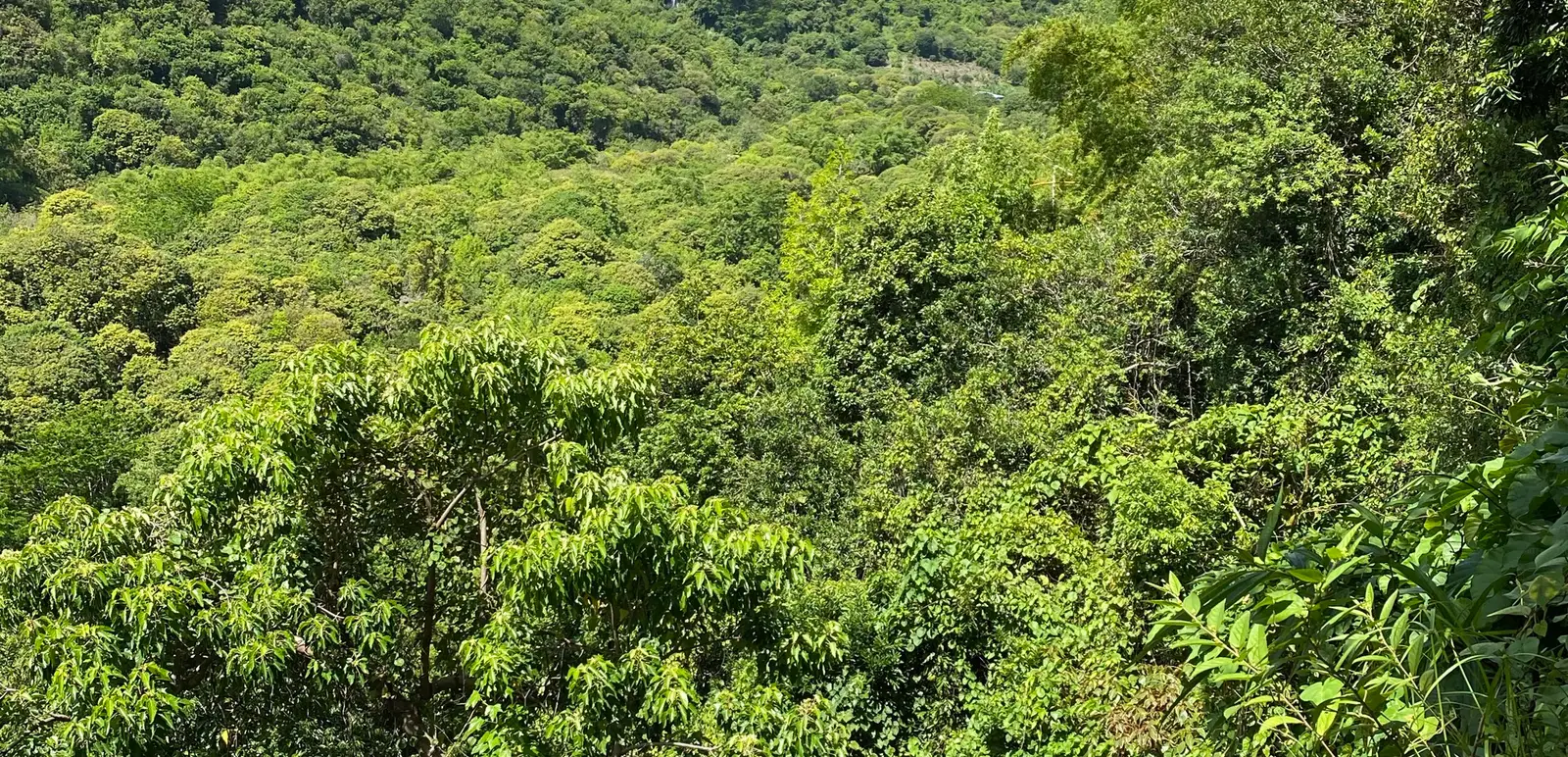
The deeper story is more complex. These trees are remnants of a wider forest. Read the beauty of the site alongside local life, conservation and tourism pressure.
Where it is
The Avenue of the Baobabs stands north of Morondava, in the Menabe region of western Madagascar. It is often visited at sunrise or sunset because the light makes the trunks glow and creates the famous silhouette.
Most travellers come by car or with a local driver. Road conditions, dust and timing matter, especially if the visit is combined with a longer western Madagascar route.
Why the site is famous
The trees are usually associated with Adansonia grandidieri, one of Madagascar’s iconic baobab species. Their height, shape and spacing make the road feel almost ceremonial.
Photos travel easily online. That is why searches such as Avenue of the Baobabs, Avenue of the Baobabs Madagascar and Baobab Alley Madagascar are strong. But the place is not a studio.
Best time of day
Sunset is the classic moment, but it can also be crowded. Sunrise is quieter and can feel more respectful if you want time to observe the landscape without competing for the same frame.
If you visit at sunset, arrive early enough to understand the site before the light show begins. Look at the fields, houses, road and daily movement around the trees.
Respect local communities
People live and work around the Avenue of the Baobabs. Do not walk into fields without permission, do not photograph residents as decoration and do not block the road for a picture.
Choose local drivers and guides when possible. Spend money in ways that support the area rather than treating the landscape as a free backdrop.
Conservation context
The isolated baobabs are powerful partly because they reveal what has disappeared around them. They are beautiful, but they also point to deforestation, land use change and the fragility of Madagascar’s dry forests.
That tension is worth understanding: the Avenue of the Baobabs is both a dream image and a conservation lesson.
How to include it in a route
Morondava can be linked with Kirindy Forest, the Tsingy de Bemaraha route and western Madagascar adventures. These routes require time and patience.
Do not add Morondava as a quick side trip from a packed itinerary unless you understand the travel distances. Madagascar is large, and western routes can be slow.
Understanding the landscape
The Avenue of the Baobabs is often photographed as if the trees appeared in an empty place. In reality, the road belongs to a lived rural landscape with fields, carts, children, drivers, houses and local residents moving through the same space as visitors.
That is why respectful behaviour matters. Ask before photographing people, do not step into crops for a better angle and do not block the dirt road during sunset.
Adansonia grandidieri
Many of the famous trees are linked with Adansonia grandidieri, one of Madagascar’s most iconic baobab species. Some trees are often described as hundreds of years old. Their height and shape make them visually powerful, but their isolation also tells a story of forest loss.
The phrase Avenue of the Baobabs Madagascar captures both the travel image and the conservation question. A baobab alley can be beautiful because it is rare, but rarity is not automatically good news.
Sunrise or sunset
Sunset brings the classic warm colours and silhouettes. It also brings more visitors. Sunrise is quieter and gives a different mood, with softer local movement and fewer vehicles.
Photographers should think beyond the same central road shot. Side light, detail on bark, reflections after rain and wider scenes can avoid repeating the same image everyone else takes.
Combining with western Madagascar
Morondava is often connected with Kirindy Forest and the Tsingy de Bemaraha route. That combination can be outstanding, but it requires patience, road time and a realistic plan.
If your Madagascar trip is mainly built around lemurs in the east or whales in Sainte Marie, adding Morondava changes the whole route. The site is worth seeing, but not as a careless detour.
Names and local details
The Avenue is sometimes called the Alley of the Baobabs or Allee des Baobabs. It is a natural monument on the west coast of Madagascar, near the road toward Belo Tsiribihina. Ancient baobab trees stand beside rice paddies and fields, where the trees create one of the country’s most famous landscapes.
Local stories may mention baobabs amoureux and the idea of a mother of the forest. Visiting the Avenue should therefore include both the image and the memory of tropical forests that once covered more of the region.
Frequently asked questions
Where is the Avenue of the Baobabs?
It is near Morondava in western Madagascar, in the Menabe region.
When is the best time to visit?
Sunrise and sunset are best for light. Sunset is more famous; sunrise is usually quieter.
Is it worth going to Morondava for the baobabs?
Yes, if the site fits a western Madagascar route. It is less ideal as a rushed detour.
Sources / references
Methodology: every fact, figure and quotation is checked and sourced by the newsroom.

Author
Pascal Viroleau
Article produced under the newsroom charter: constructive journalism, cited sources and a stated level of verification.