Search data shows that broad Indian Ocean island queries are often weaker than destination-specific terms. The smart approach is to answer the comparison clearly while using the stronger demand around Mauritius beaches, Seychelles beaches, Reunion Island hiking and Madagascar wildlife.
Best for a first trip: Mauritius
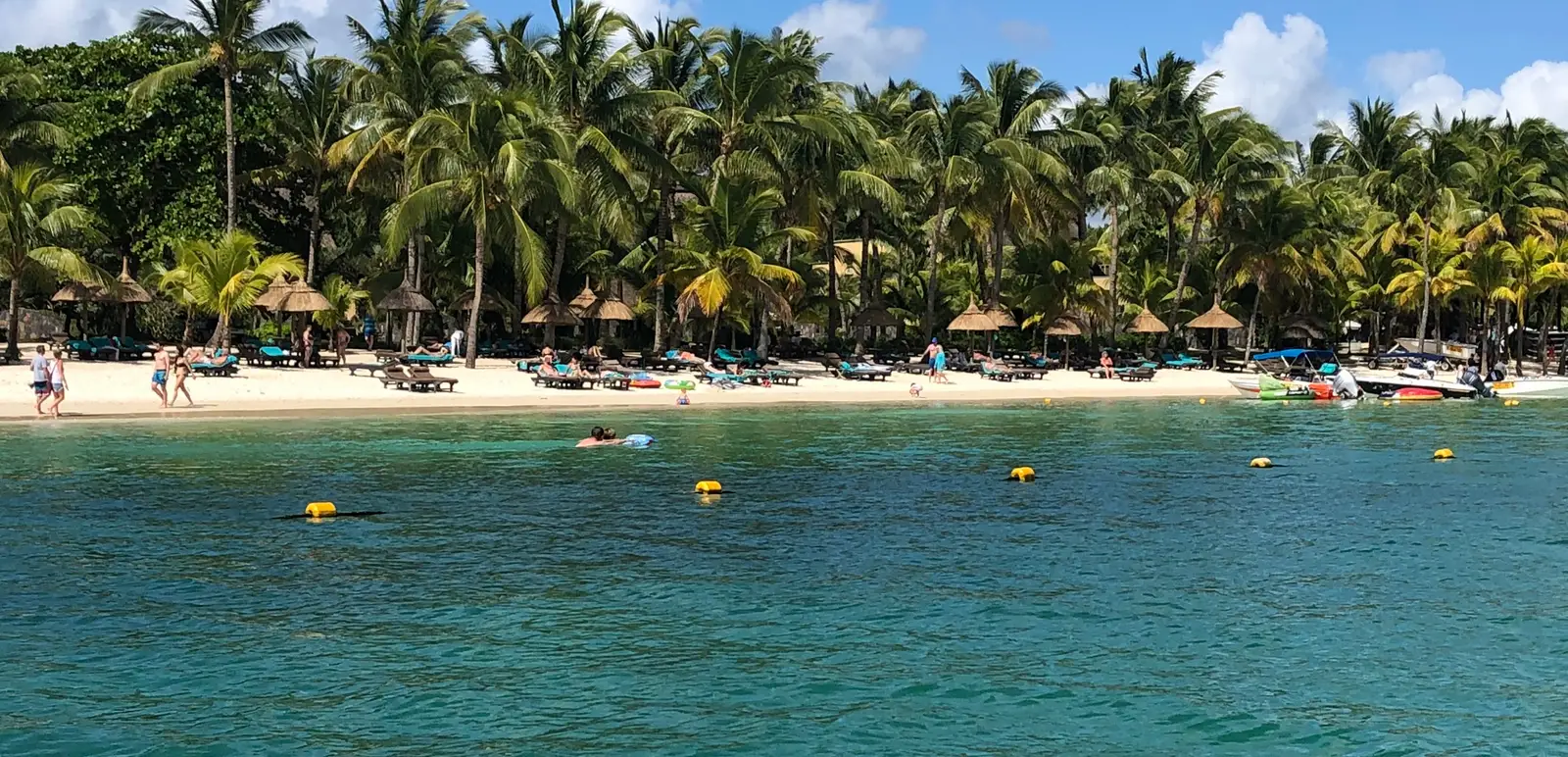
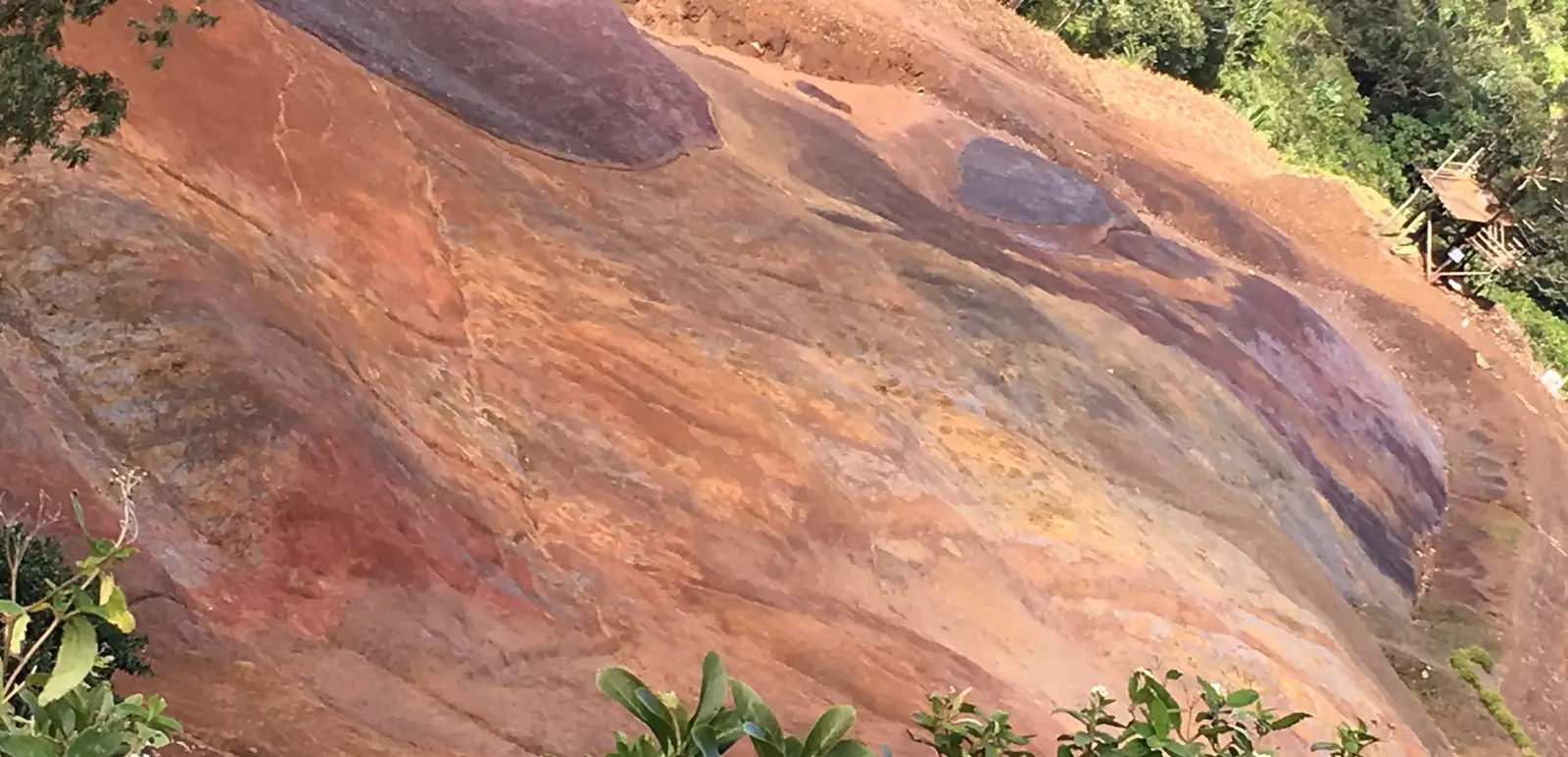
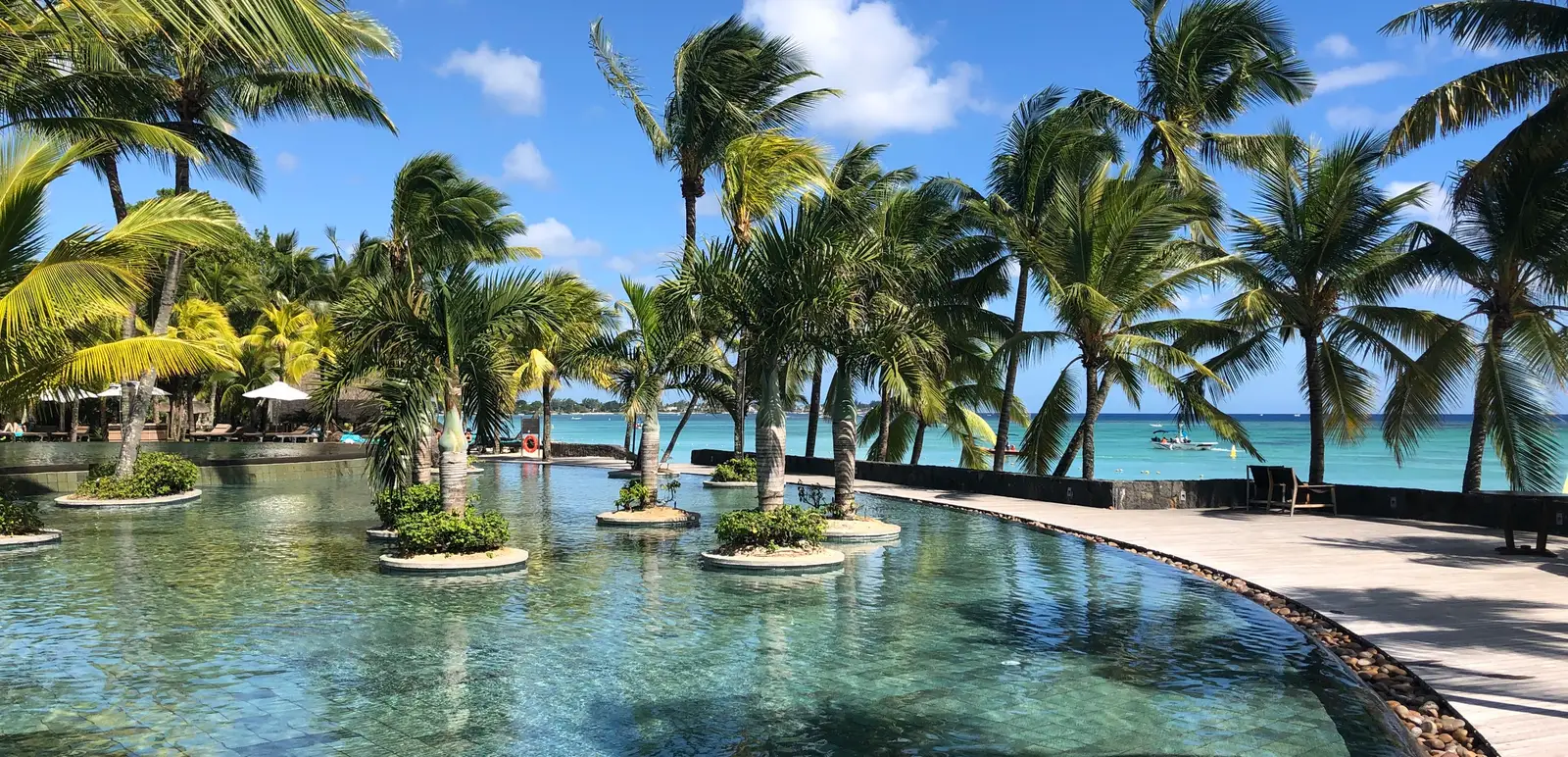
Mauritius is the safest recommendation for most first-time travellers. It is easy to organise, varied and forgiving. You can mix beaches, markets, food, scenic drives, Chamarel, Le Morne and cultural visits without needing specialist logistics.
Best for beaches: Seychelles
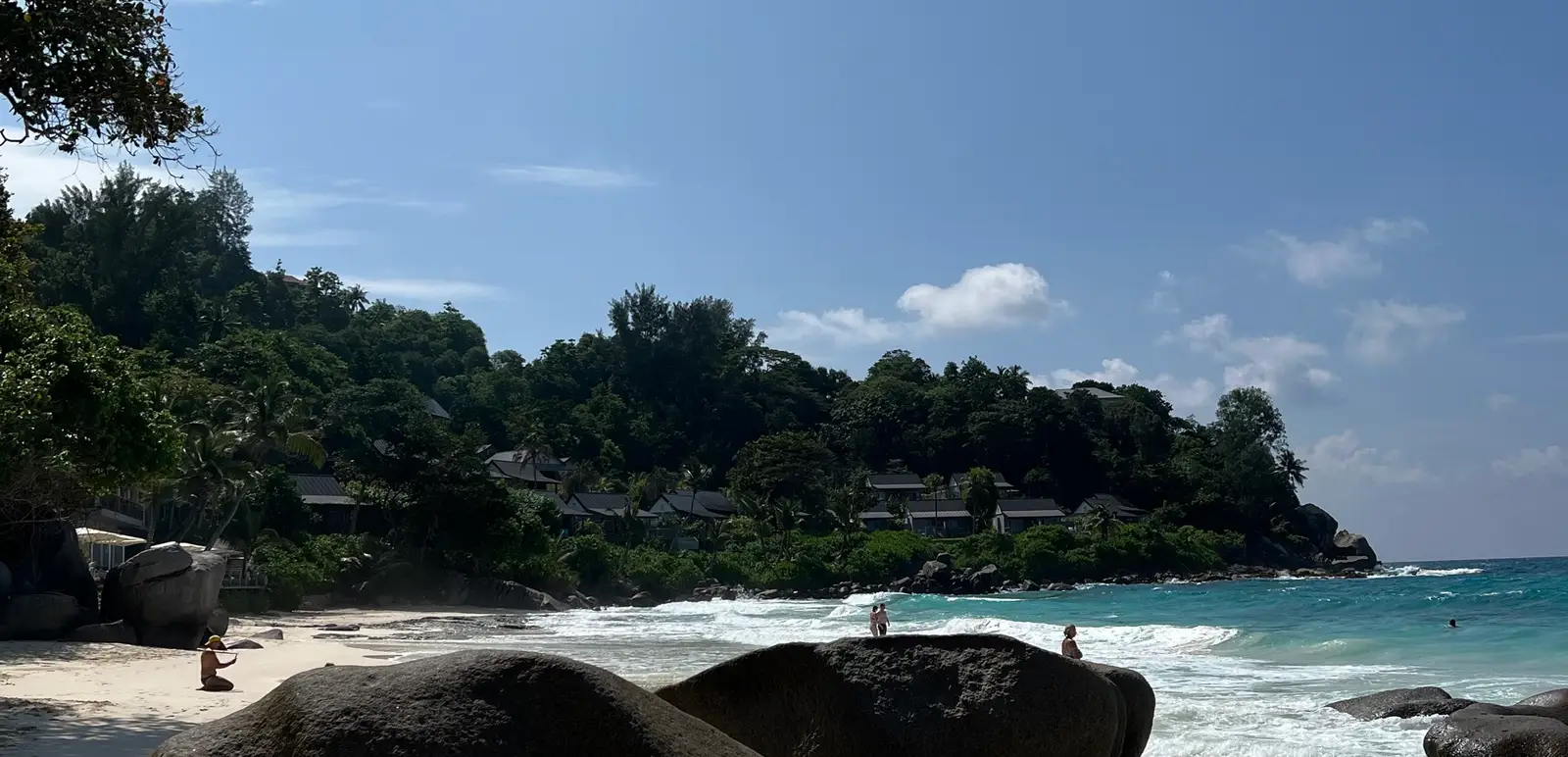
Seychelles wins for visual drama. Granite boulders, white sand, clear water and the Mahe-Praslin-La Digue route make it the classic Indian Ocean beach dream. It is also more expensive, so slow planning matters.
Why Seychelles feels different
Seychelles is often described through 115 islands, turquoise water, stunning beaches, Anse Source d’Argent, giant tortoises and La Digue. It also has nature reserve visits, coral reef experiences, marine life and UNESCO world heritage site stories that make the archipelago more than a beach ranking.
Why Mauritius remains easier
Mauritius is usually better for travellers who want larger islands logistics, Port Louis, botanic garden visits, water sport options, markets, food and a wide hotel range. Mauritius vs Seychelles is less about which is prettier and more about whether the traveller wants ease or a more expensive island hop.
Best for hiking: Reunion Island
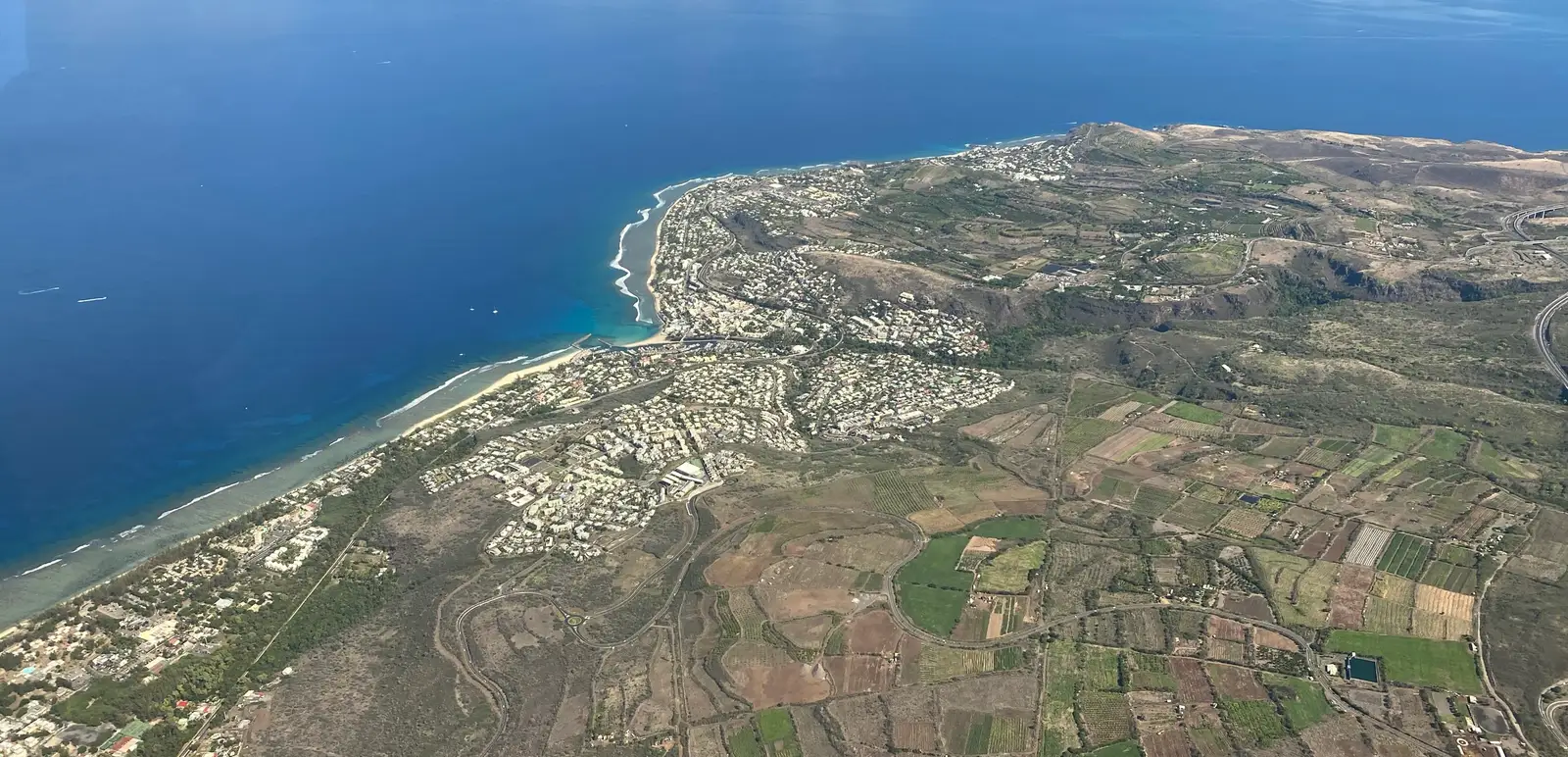
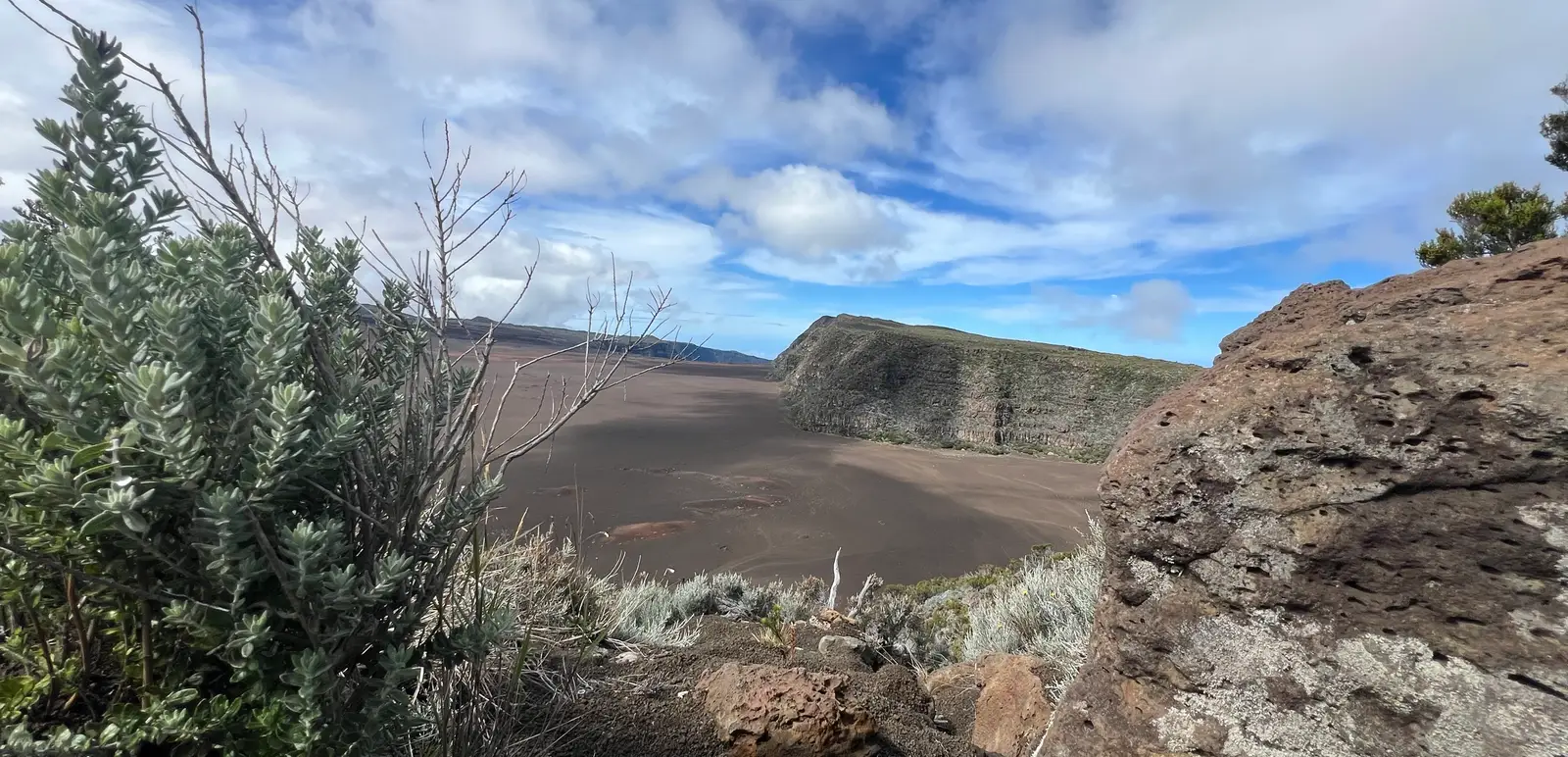
Reunion Island is the best choice for travellers who prefer trails to loungers. Mafate, Cilaos, Salazie and Piton de la Fournaise create a compact but intense adventure destination.
Best for wildlife: Madagascar
Madagascar is the strongest wildlife answer. Lemurs, chameleons, baobabs, dry forests and rainforests make it unique. It needs more time and planning than the other islands.
Best for a lagoon: Mayotte
Mayotte is not a mass-market answer, but its lagoon is exceptional. Travelers should be prepared, responsible and attentive to current practical advice.
Best for a rare route: Comoros
Comoros is for travellers who value culture, volcanoes and low-tourism places. Mount Karthala and Moheli offer a different reading of the region.
Best two-island combination
Mauritius and Reunion Island are the most natural combination for a first regional trip. Together, they link lagoon, food, markets, mountains and volcanoes with manageable travel logic.
The best island depends on the job
There is no single best Indian Ocean island. The best choice is the island that matches the reader’s first constraint: ease, beach quality, hiking, wildlife, budget, culture or time.
Mauritius is the safest first answer because it forgives imperfect planning. Seychelles is the strongest beach answer when the budget allows. Reunion Island is the active answer. Madagascar is the wildlife answer.
Mauritius versus Seychelles
Mauritius offers a wider range of hotels, roads, markets, food stops and family logistics. It is easier to plan for a first regional trip and usually works better when travellers want comfort plus variety.
Seychelles feels more visually distinctive. Granite beaches, La Digue, Praslin, Mahe and giant tortoises create a powerful image, but ferries, island choice and cost require sharper planning.
When not to choose the obvious island
Do not choose Seychelles only because the beaches are famous if the traveller wants hiking and weather drama. Reunion Island will answer that better.
Do not choose Mauritius only for a honeymoon image if the traveller wants rare wildlife. Madagascar needs more work, but it gives a deeper nature journey.
Decision shortcuts that help
Choose Mauritius for an easy first trip. Choose Seychelles for iconic beaches. Choose Reunion Island for mountain energy. Choose Madagascar for a major wildlife journey. Choose Mayotte for a lagoon-focused trip. Choose Comoros for culture, volcanoes and a quieter route.
The best island is also the one the traveller can visit well. A rushed famous island is weaker than a slower, better matched island.
Best for honeymoon and comfort
For a honeymoon, Mauritius is often easier because resorts, private drivers, restaurants, spas and excursions are simple to organise. Seychelles feels more exclusive when travellers want granite beaches, island hopping and fewer planned activities.
A honeymoon in the Indian Ocean should not be judged only by the room. The better question is whether the island gives the couple the right rhythm: slow beach mornings, gentle food stops, one or two beautiful outings and no exhausting transfer chain.
Best for families
Families usually need calm water, predictable meals, medical confidence, short transfers and flexible accommodation. Mauritius answers those needs best for most first trips.
Seychelles can work for families with a higher budget and careful beach choice. Reunion Island works for active families with older children. Madagascar, Mayotte and Comoros require more preparation.
Best for nature and learning
Madagascar is the strongest nature classroom because wildlife, forests and landscapes are so distinct. Reunion Island teaches geology and mountain weather. Seychelles teaches island conservation. Mayotte teaches lagoon protection.
The best Indian Ocean island to visit is therefore not only the prettiest. It is the one that gives the reader the most meaningful match between time, budget, curiosity and tolerance for logistics.
How the beach islands differ
Seychelles is made of 115 islands, and that number matters because visitors can island hop between Mahe, Praslin and La Digue without making every day feel the same. Giant tortoises, a nature reserve visit and a coral reef trip can add depth to the stunning beaches.
Mauritius is less about island hopping and more about variety inside one island. The east coast, west coast, Port Louis, a botanic garden, beaches, food and easy roads make it the safer all-round choice.
When luxury changes the answer
Private island resorts, overwater villas and a honeymoon destination image can push travellers toward Seychelles or the Maldives-style imagination. That does not automatically make the trip better.
The better question is whether the traveller wants turquoise water and quiet design, or a fuller island with markets, restaurants, boat trip options and local life. Both choices can work, but they are not the same vacation.
Water activities and marine life
Diving and snorkelling are stronger when the island choice follows season and sea conditions. Marine life, reef rules and group size matter more than a brochure promise.
A traveller who wants one easy coral reef outing may be happy in Mauritius. A traveller who wants beaches, granite coves and protected island nature may prefer Seychelles. A traveller who wants a rarer lagoon story should look at Mayotte.
How to plan
If you have one week, do not combine islands. If you have ten days, choose one island with more depth. If you have two weeks, consider Mauritius and Reunion Island or a slower Seychelles route.
Travelers who have already visited Seychelles may want a different answer next time: Reunion Island for hiking, Mauritius for food and markets, Madagascar for wildlife, or Mayotte for a lagoon-focused journey. Exploring the island well often matters more than adding another transfer.
Behind the question of the best island hides a more practical one: how much time, budget and energy do you have? Answer that first and the choice becomes clearer.
Travel better
Avoid building the trip only around famous images. Beaches, reefs, sacred places, villages and trails need respectful behaviour.
The best island is also the one you can visit well, without rushing local people and fragile environments.
Frequently asked questions
Is Mauritius or Seychelles better?
Mauritius is easier and more varied. Seychelles is more spectacular for beaches and island hopping.
Is Reunion Island worth visiting?
Yes, especially for hiking, volcanoes, waterfalls and Creole culture. It is less suited to a beach-only holiday.
Is Madagascar good for a first Indian Ocean trip?
It can be, but only if you have enough time and accept more demanding logistics.
Sources / references
Methodology: every fact, figure and quotation is checked and sourced by the newsroom.

Author
Pascal Viroleau
Article produced under the newsroom charter: constructive journalism, cited sources and a stated level of verification.