The Karthala volcano is not a casual viewpoint. Weather, guide quality, route conditions and preparation shape the experience.
Why Mount Karthala matters
Karthala is an active shield volcano with a large crater and a strong presence in Comorian geography. It is part of how travellers understand Grande Comore as a volcanic island in the Indian Ocean.
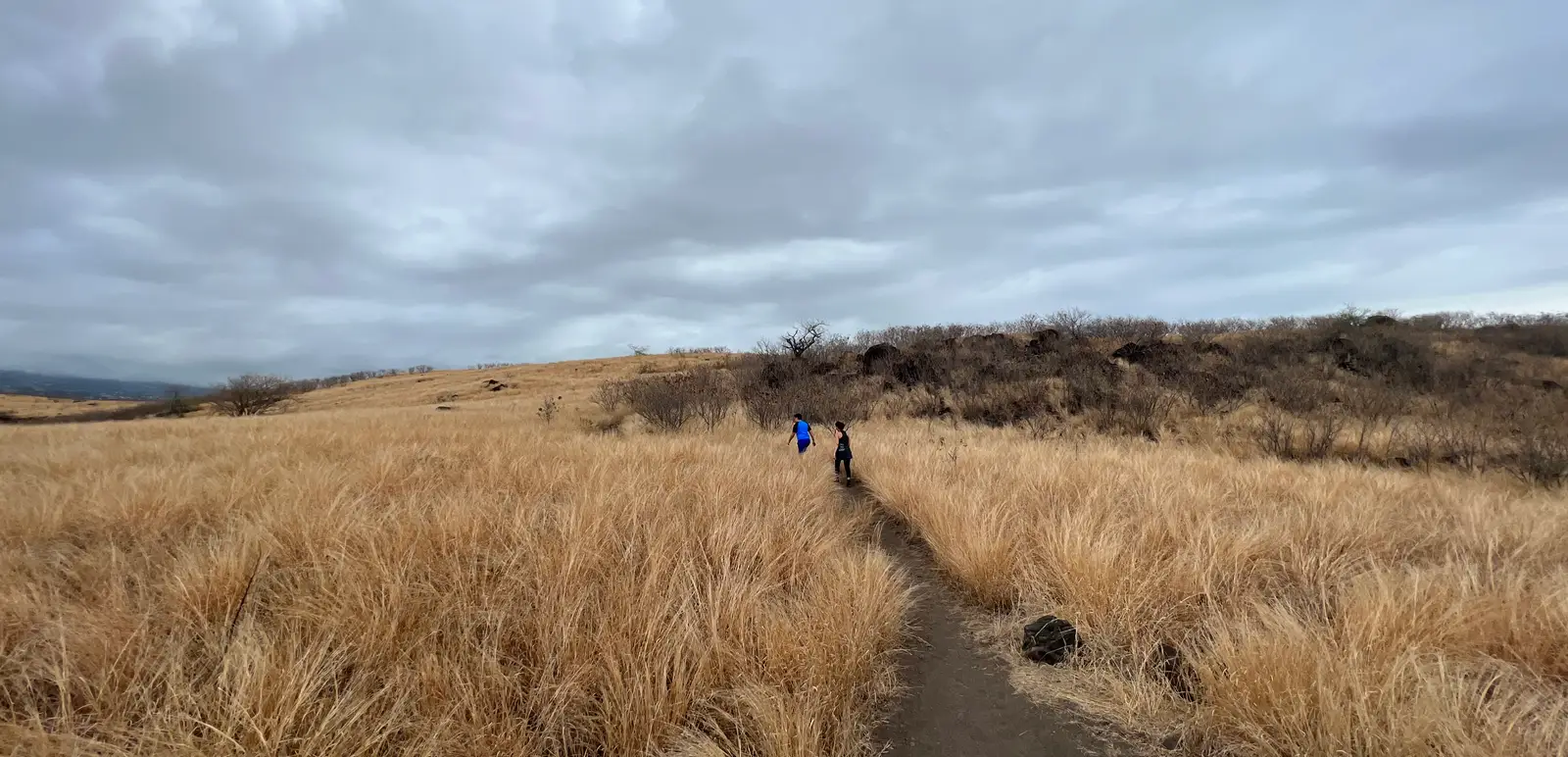
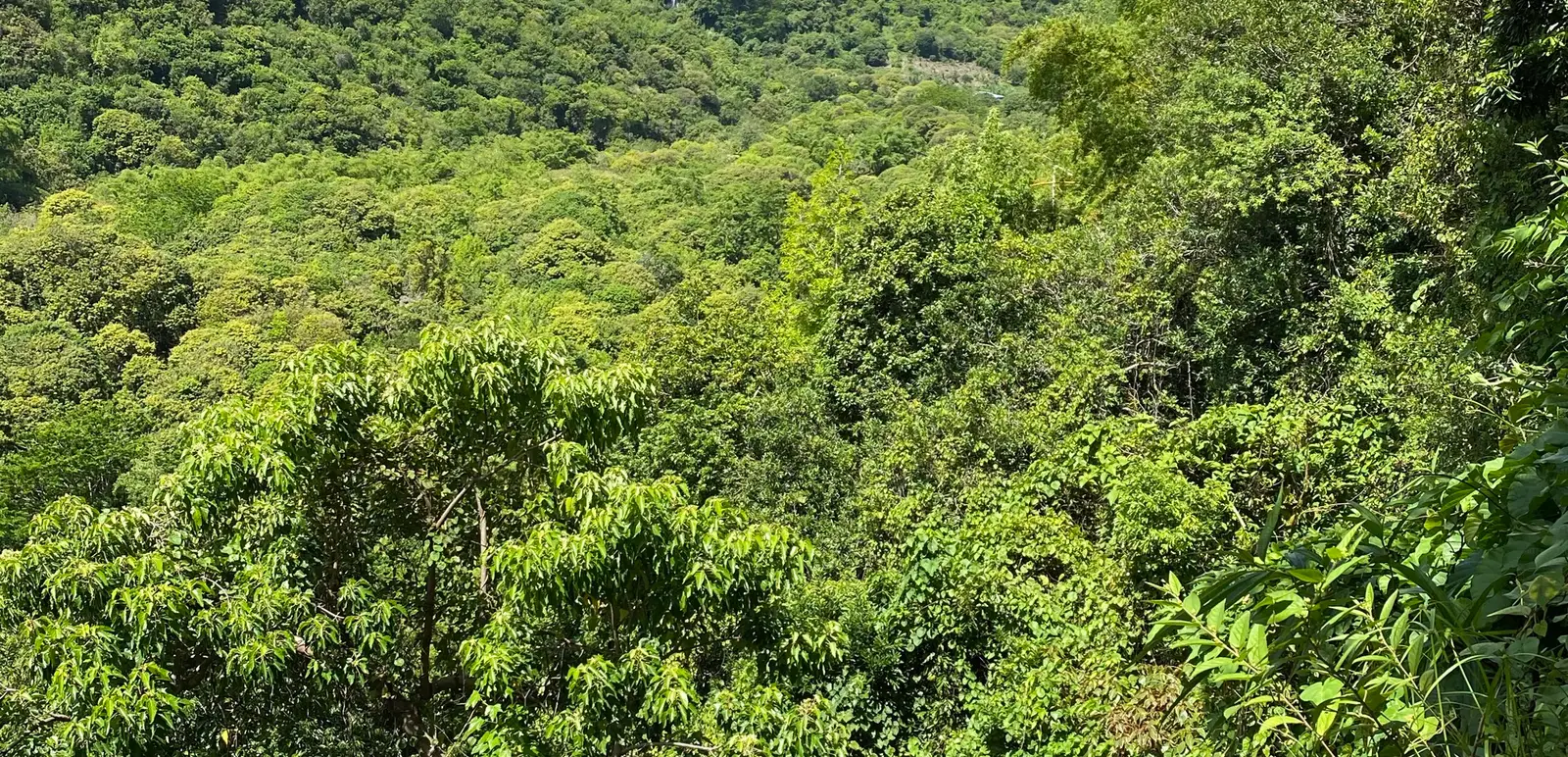
The climb can be physically demanding, but the real value is not only the summit. It is the shift from coastal life to high volcanic terrain.
Do you need a guide?
A guide is strongly recommended. Trails, weather and local knowledge matter, and conditions can be difficult for visitors who do not know the island.
Choose someone who explains timing, water, equipment, route options and what to do if visibility changes.
How to plan the hike
Start early and keep the itinerary realistic. Depending on route and conditions, the day can be long. Some travellers plan overnight options, while others focus on a demanding day hike.
Confirm the plan locally before committing. Comoros travel requires more flexibility than heavily touristed islands.
What to bring
Bring enough water, food, sun protection, rain protection, warm layers and serious shoes. Volcanic terrain can be rough, and weather can shift between heat, cloud and rain.
Do not rely on minimal gear because the island looks tropical at sea level.
Moroni and Grande Comore context
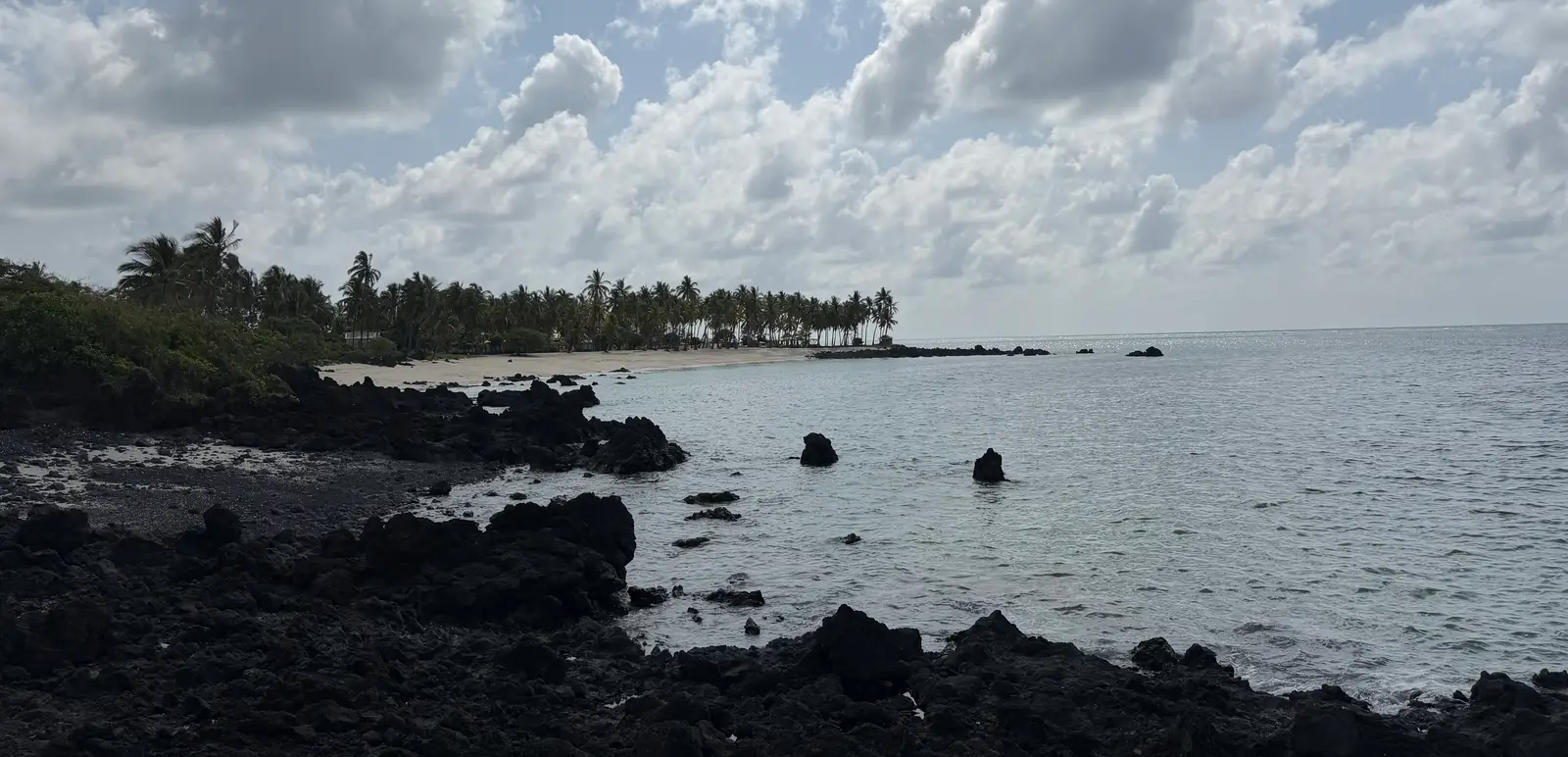
Mount Karthala works best as part of a Grande Comore route that includes Moroni, coastal villages, lava landscapes and local culture. The volcano should not be isolated from the island that surrounds it: Moroni gives the capital context, coastal villages show daily life, and lava fields and volcanic slopes reveal the island’s geology.
Comoros is less developed for tourism than Mauritius or Seychelles. That is part of its interest, but it also means planning must be careful and leaving room for local advice and transport realities rather than over-scheduling.
Responsible travel
Use local guides, respect village access and avoid leaving waste on the mountain. The hike should support local knowledge, not simply extract a summit photo.
Searches such as Mount Karthala and Karthala volcano show curiosity about a less familiar destination. The content should be honest about effort, uncertainty and preparation.
Volcano context for travellers
Many people know the name Mount Karthala without knowing the practical reality of Comoros travel. It is often described as an active shield volcano, a phrase that matters because it separates the mountain from a simple scenic hill: the shape, lava history and crater landscape are part of Grande Comore’s identity.
The volcano is a major natural feature, but the tourism framework is less standardized than in Reunion Island or Mauritius. That means travellers should value local guidance, flexibility and current information more than a fixed online itinerary. The honest answer to whether the hike is possible is that the mountain is powerful, but conditions and logistics are less standardized than on heavily visited islands.
Crater and weather
The crater is the image that attracts many hikers, but cloud, rain and trail conditions may change what you actually see. Visibility is not guaranteed, heat can make the lower sections tiring before the higher area begins, and the mountain can feel very different from the coast.
This is why a Karthala hike should be planned with margin. A visitor who builds the entire Comoros trip around one perfect summit day may be disappointed, while a traveller who combines the volcano with Moroni, lava landscapes and coastal villages gets a stronger trip. Active volcanic landscapes deserve respect either way.
Guides, villages and access
A local guide is the best way to handle access, timing and route decisions. Guides can explain where to start, how much water to carry, what the trail is like after rain and how the mountain fits into Comorian life.
Village access deserves respect. Ask before assuming a route, follow local arrangements and pay fairly for guiding. The volcano is not only a natural object; it sits inside a lived island.
Preparation checklist
Confirm current safety information, choose a guide, start early, carry more water than you expect, bring rain protection and use proper shoes. Keep plans flexible and do not compare the logistics with Reunion Island.
The Comoros reward patience. The mountain is more memorable when the article prepares readers for effort, uncertainty and local context.
When not to climb
Do not climb Mount Karthala in poor weather, with uncertain guidance or without enough water. A flexible traveller can still use the day well by exploring Moroni, learning about Grande Comore’s volcanic coast or visiting villages with local advice.
This matters for responsible tourism. The goal is not to push every visitor to the crater. The goal is to help the right visitors prepare properly and help others choose a safer Comoros experience.
Frequently asked questions
Where is Mount Karthala?
Mount Karthala is on Grande Comore, the largest island of the Union of the Comoros.
Is Mount Karthala active?
Yes. It is an active volcano, so local conditions and safety information matter.
Can visitors hike it?
Yes, but a guide, preparation and flexible planning are strongly recommended.
Sources / references
Methodology: every fact, figure and quotation is checked and sourced by the newsroom.

Author
Pascal Viroleau
Article produced under the newsroom charter: constructive journalism, cited sources and a stated level of verification.