Understanding it means separating emotion, science and safety rules.
A hotspot volcano
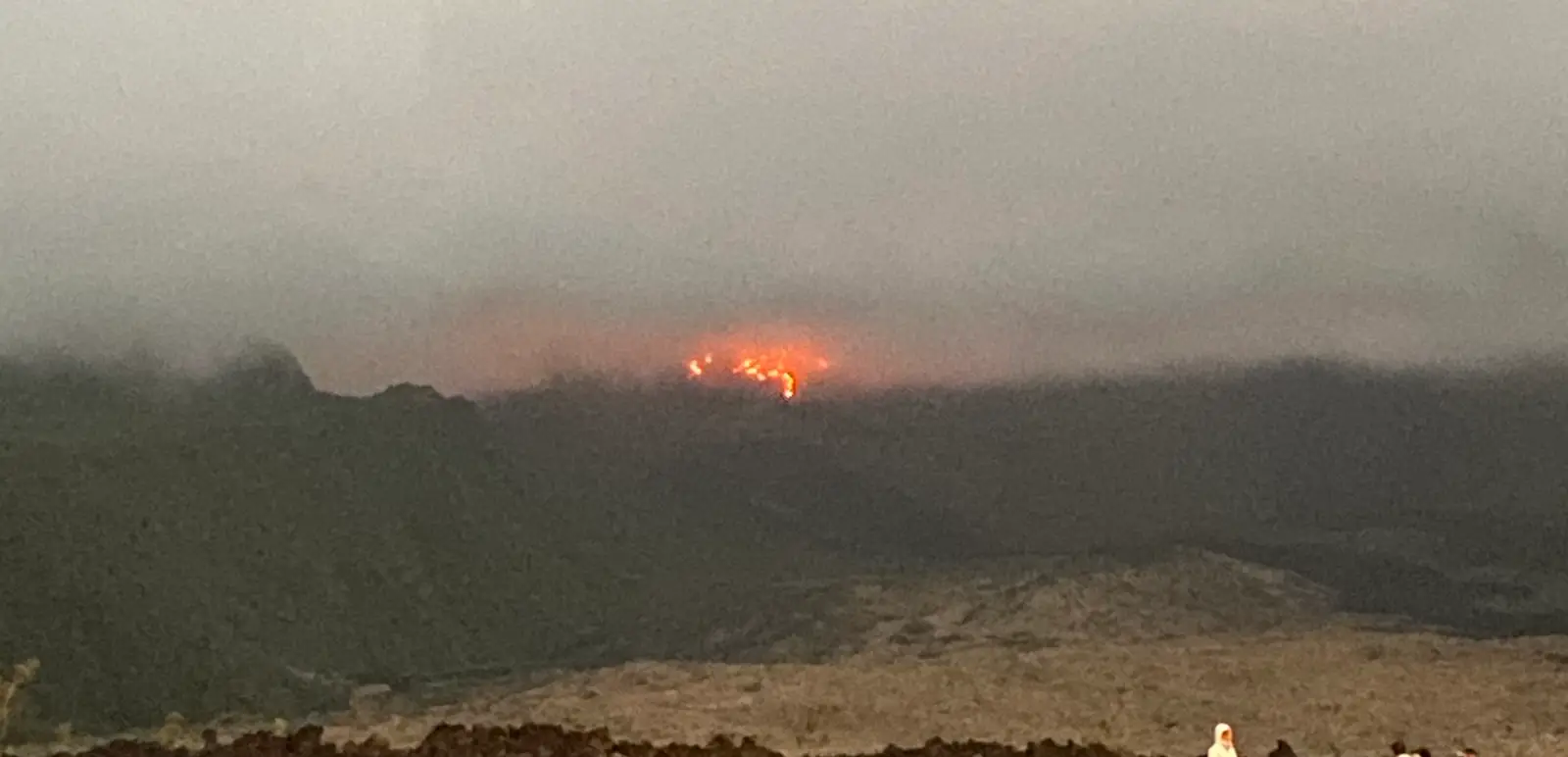
Piton de la Fournaise is linked to the hotspot volcanism that built Reunion Island. Its eruptions are often effusive, with lava flows rather than major explosive activity.
That reputation should not make visitors careless: gases, fissures, unstable ground, fires and trail closures can still matter.
Eruptions and the Enclos
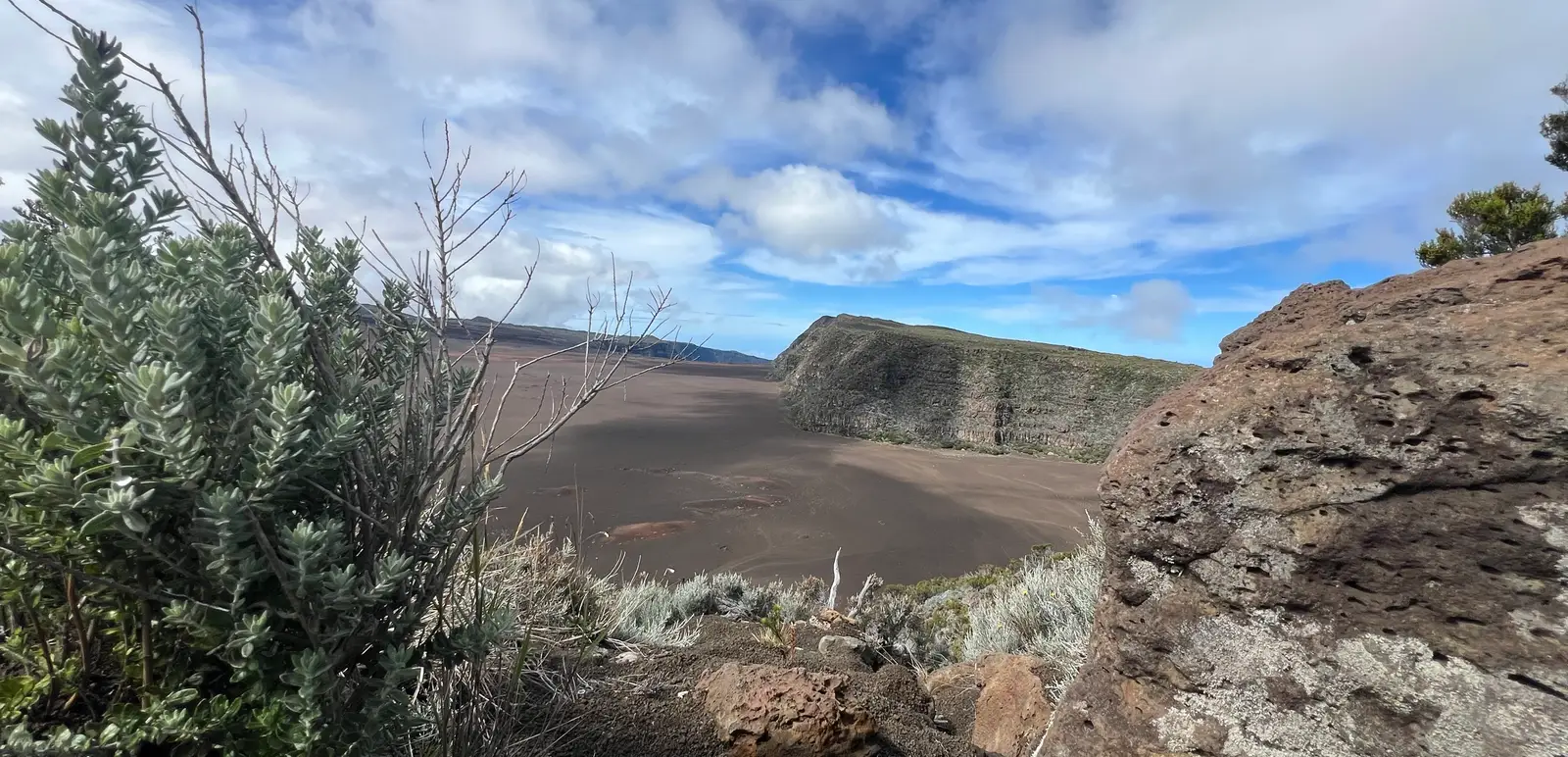
Many eruptions occur inside the Enclos Fouqué, a large and mostly uninhabited caldera. This is why the volcano can often be observed without directly threatening towns.
Every eruption is different in location, duration, intensity and accessibility.
Scientific monitoring
The OVPF, linked to IPGP, monitors seismicity, deformation, gases and other signals. These data help interpret magma movement and inform authorities.
Monitoring does not promise a show on demand. It reduces uncertainty and guides decisions.
Access and safety
When access is closed, the closure protects both visitors and rescue teams. Viewpoints may change depending on weather, gases, roads and activity.
Before going up, check road status, official orders, weather and equipment.
Why it fascinates
The volcano brings together science, landscape and Reunion culture. It shows an island shaped by fire as much as by water.
The right attitude is humble: admire, learn and keep distance when the terrain requires it.
Frequently asked questions
Is Piton de la Fournaise dangerous ?
It is closely monitored, but closures and eruption rules must always be respected.
How often does it erupt ?
Frequency varies. Some years are active, while others are quieter.
Can visitors see an eruption ?
Sometimes from authorized viewpoints, but never by ignoring safety rules.
Who monitors the volcano ?
The Piton de la Fournaise Volcano Observatory, linked to IPGP.
Sources / references
Methodology: every fact, figure and quotation is checked and sourced by the newsroom.