Fisheries, tourism, ports, renewable energy, conservation, research and coastal communities all meet in this debate.
The idea is simple, but the choices are not. A useful Indian Ocean blue economy should link jobs with reefs. It should protect food security and help coastal families face climate pressure.
What blue economy means
A blue economy is not simply more business at sea. It should mean ocean-based activity that protects ecosystems, supports communities and remains viable over time. If reefs, fish stocks and coastlines collapse, the economy loses its foundation.
Ocean economy and economic growth
The ocean economy can support economic growth, but only if development respects ecological limits. A sustainable blue economy should connect economic sectors, local communities, food security and a healthy ocean.
Tourism and reefs
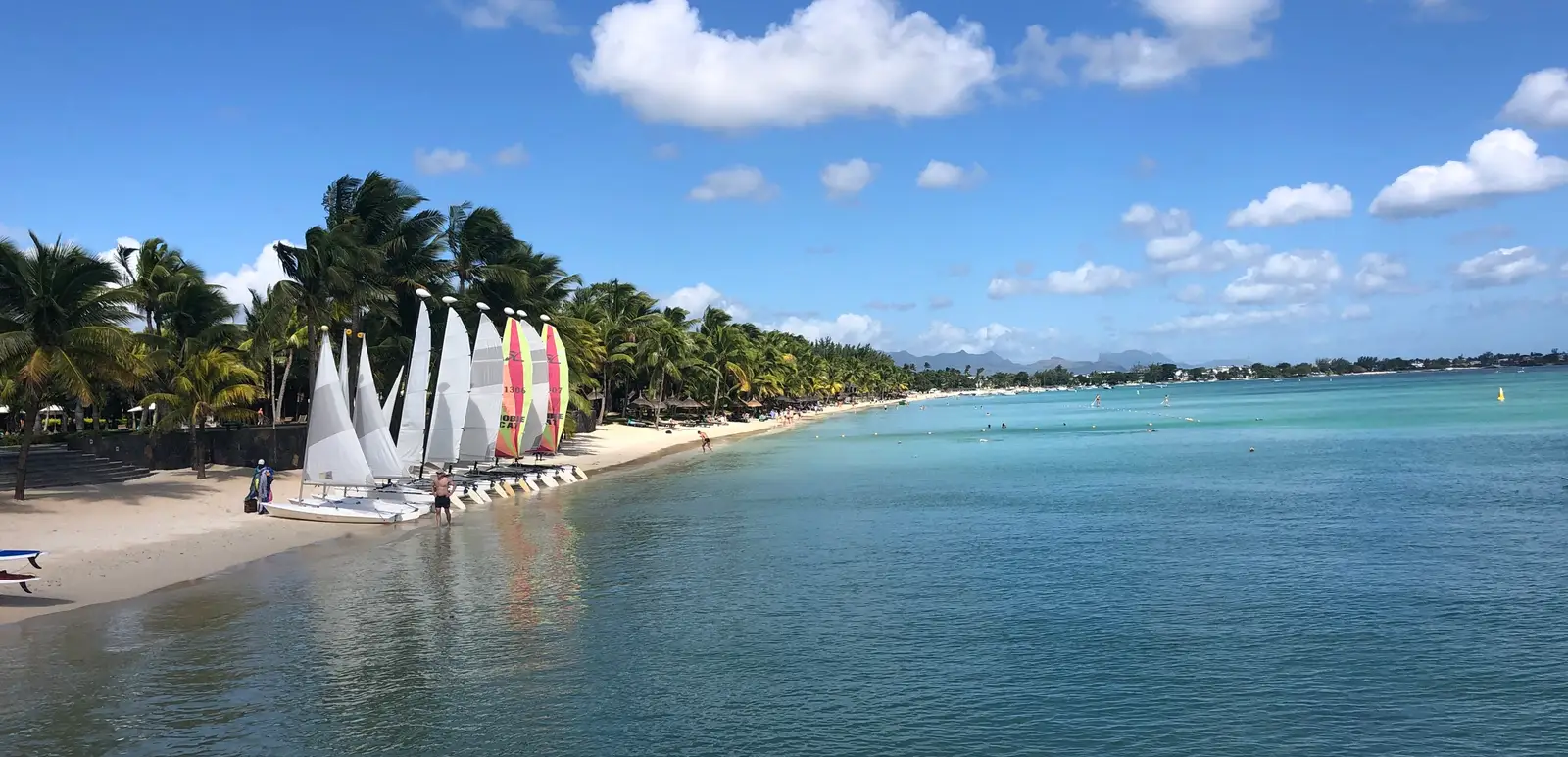
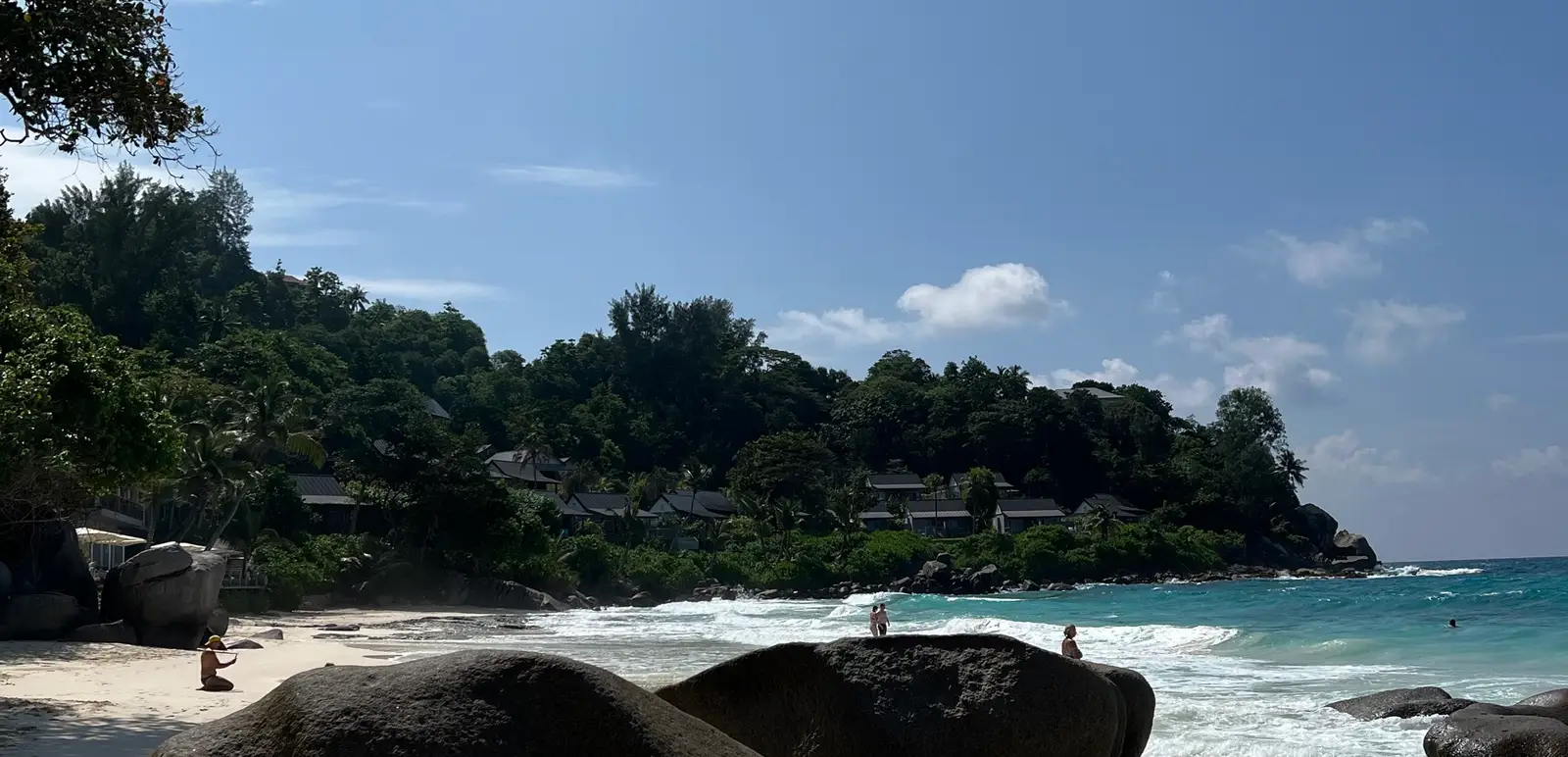
Tourism depends on healthy lagoons, beaches, coral reefs and marine wildlife. Hotels, boat operators and visitors all influence water, waste, anchoring, wildlife pressure and reef health.
Fisheries
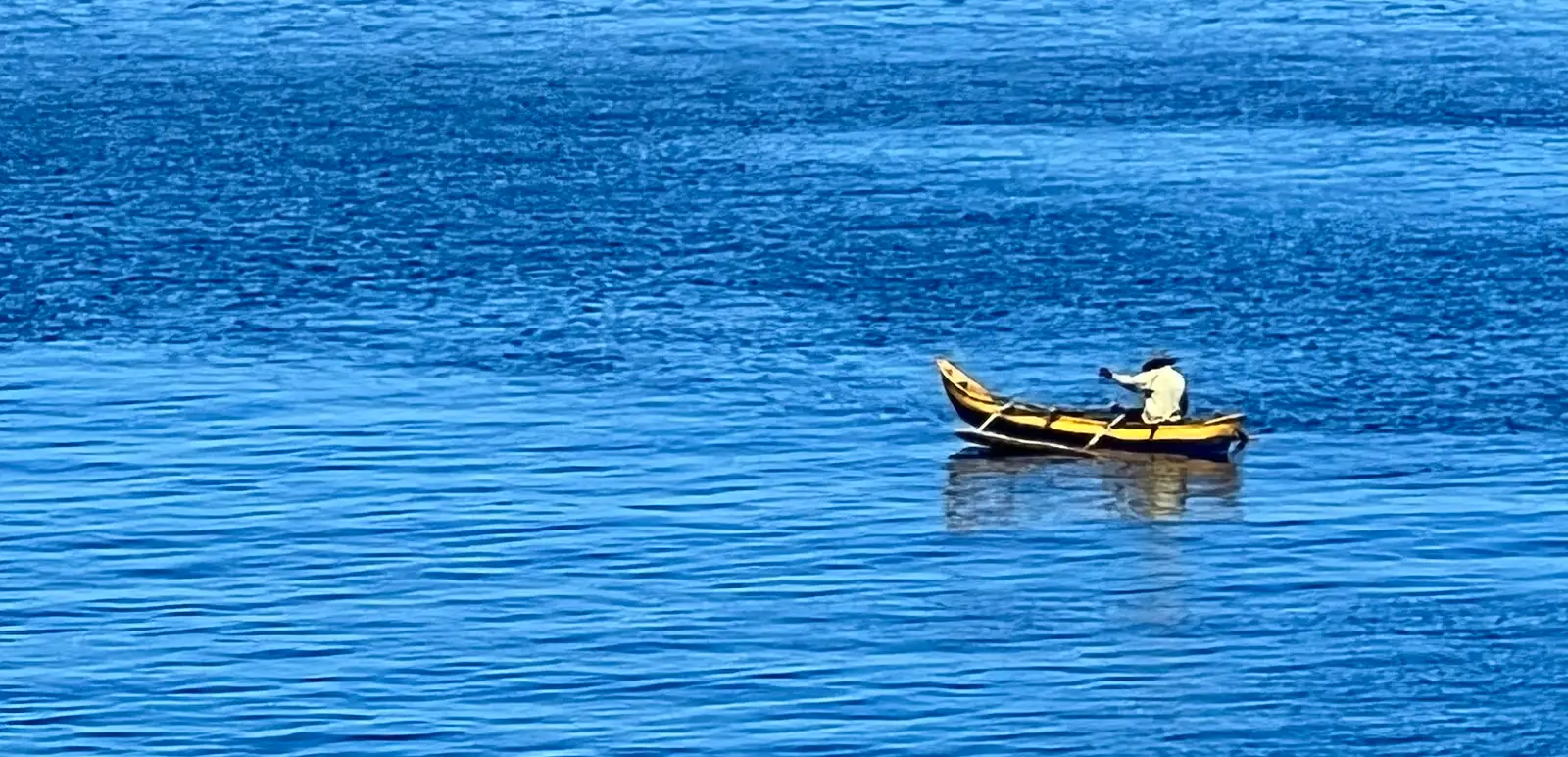
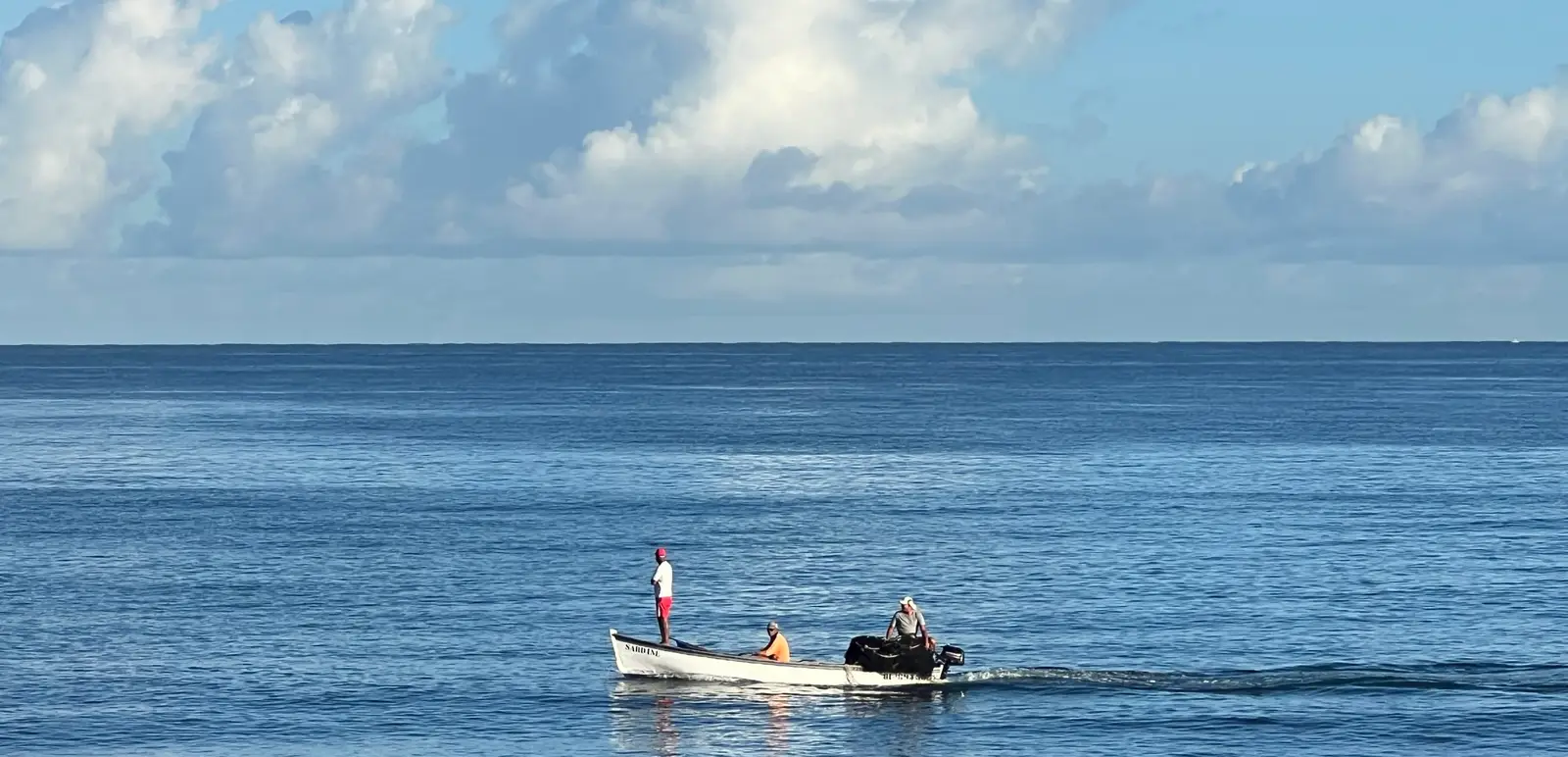
Fisheries connect food security, livelihoods and marine ecosystems. Sustainable management must consider local fishers, industrial pressure, monitoring and the cultural role of seafood.
Marine protected areas
Marine protected areas help when managers enforce rules. Local communities also need clear benefits. Paper protection is not enough.
Renewable energy and ports
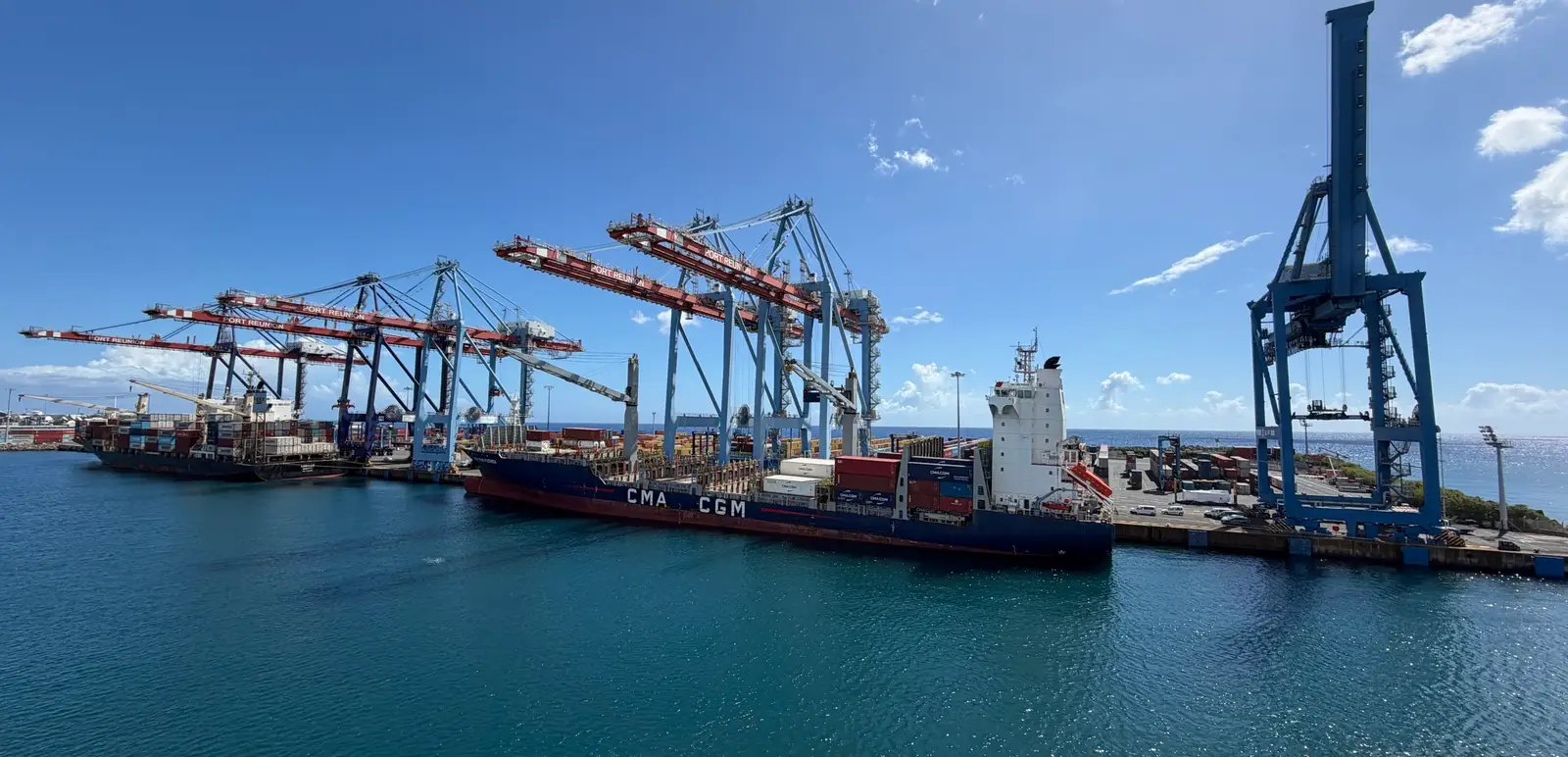
Island states and territories need energy and trade, but infrastructure can damage coasts if poorly designed. The challenge is to modernize without sacrificing the habitats that protect shorelines.
Renewable energy and offshore wind
Renewable energy, offshore renewable energy, offshore wind studies, port planning and cleaner transport all belong in blue economy strategies. Judge each project by its effect on coastal ecosystems, jobs and navigation.
Blue carbon and ecosystem services
Blue carbon habitats such as mangroves, seagrass and healthy coastal wetlands provide ecosystem services, shoreline protection and carbon sequestration. Protecting them can be as important as building new infrastructure.
Innovation in the islands
Island innovation can include reef restoration, waste reduction, seaweed projects, responsible tourism tools, ocean science and local business. Small territories can test practical solutions quickly.
Climate pressure
Sea-level rise, warming water, coral bleaching and stronger weather events make the blue economy urgent. The impact of climate change is not abstract for island communities; it is a daily planning issue.
United Nations language
United Nations reports often frame the blue economy through long-term value, fairness and ocean governance. Those reports help when they lead to clear choices for fisheries, tourism, ports, marine ecosystem protection and local work.
Blue economy without slogans
The blue economy is credible only when it names trade-offs. Tourism, fisheries, ports, conservation, renewable energy and coastal protection all compete for space and money.
The right questions to ask are simple: who benefits, who carries the limits, and how are results measured?
Tourism, reefs and coastal value
Hotels, boat trips, diving, snorkeling and beaches depend on reef health. Wastewater, anchoring, plastic, wildlife pressure and coastal construction can damage the same resources tourism sells.
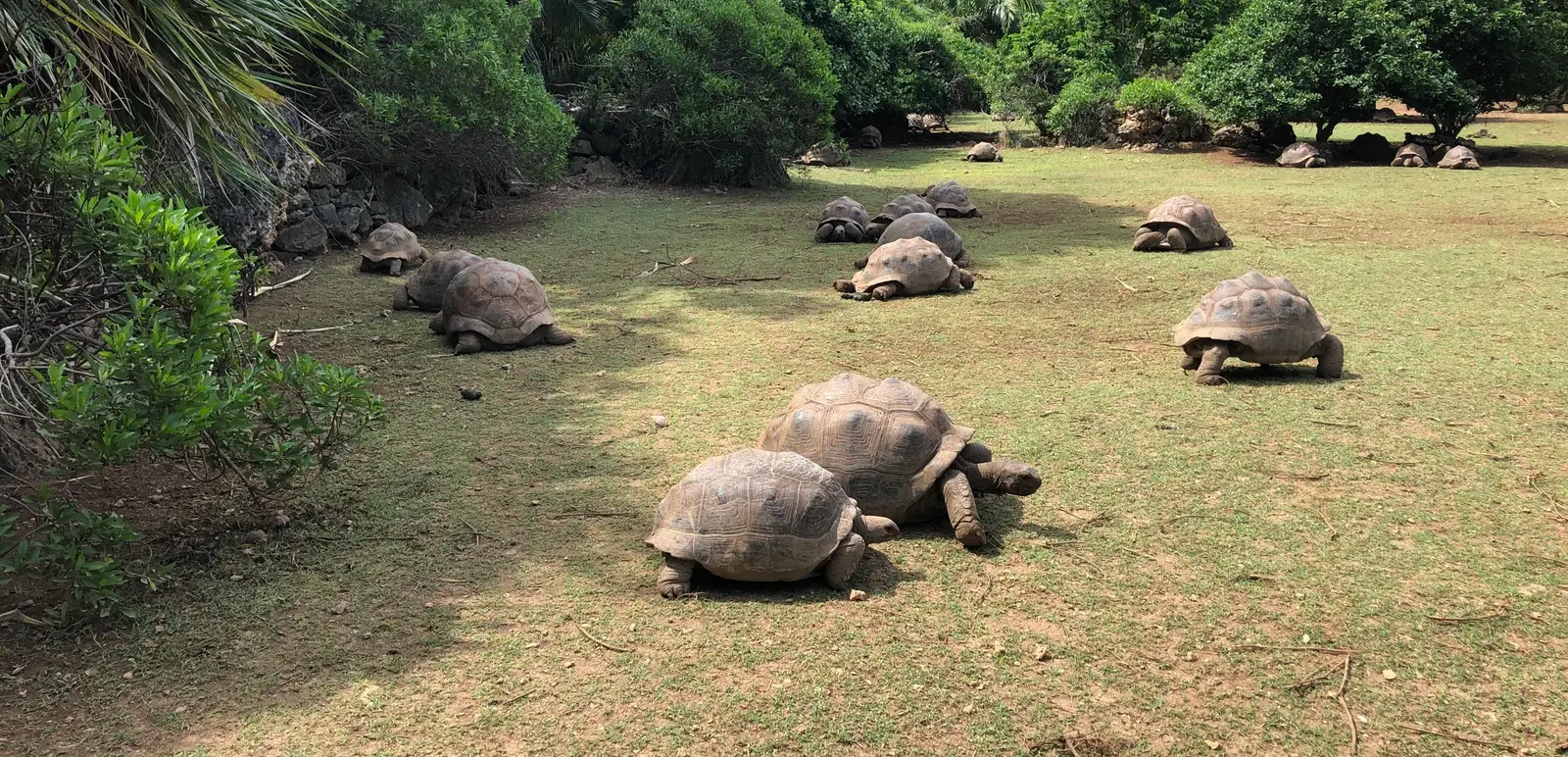
Better operators explain reef rules, use moorings where needed, manage waste and respect distance from turtles, dolphins and whales.
Fisheries and food security
Fisheries are not only an economic sector. They are food, identity, work and local resilience. A sustainable ocean economy must include small fishers as well as larger fleets.
Rules need data and trust. Fish stocks, breeding areas, illegal fishing, cold storage and export pressure all affect whether coastal communities gain or lose.
Ports, energy and blue carbon
Ports and renewable energy can support island development, but each project still needs ecological scrutiny. Cleaner infrastructure can still damage seagrass, mangroves, fishing routes or coastal neighbourhoods.
Blue carbon habitats such as mangroves and seagrass protect shorelines, store carbon and support young fish. Losing them can cost more than protecting them.
What travellers can actually do
Travelers are not policy makers, but they choose operators, seafood, hotels and waste habits. Those choices can reward businesses that protect the ocean rather than only use it.
The strongest blue economy story is practical: cleaner water, healthier reefs, fairer jobs, safer boats and more value kept by coastal communities.
Climate resilience and coastal work
Climate resilience is not an abstract policy phrase for small islands. Sea level rise, erosion, coral bleaching and stronger storms affect homes, ports, beaches, reefs and fishing families.
A sustainable blue economy should help coastal communities adapt before damage becomes a crisis. That can mean safer landing sites, reef monitoring, mangrove protection, better waste systems and training for new marine jobs.
Ocean resources with limits
Ocean resources can support economic development, but only if the ocean ecosystem remains healthy. A marine ecosystem cannot be treated like an endless warehouse for fish, sand, space and visitor experiences.
The practical test is simple. Does the project protect coastal ecosystems? Does it improve food security? Does it keep value in local communities? Does it measure impacts of climate and pressure over time?
From strategy to daily choices
Blue economy strategies often sound large, but they become real in small decisions: where boats anchor, how seafood is bought, whether wastewater is treated and how visitors learn reef rules.
The Indian Ocean needs both policy and behaviour. A healthy ocean depends on governments, operators, fishers, scientists, hotels and travellers making compatible choices.
How to plan
For travellers, the blue economy becomes practical. It affects which tour operator to book. It also affects seafood choices, hotel waste and local projects.
For readers, the subject links economy, environment and social justice. The page should avoid slogans and explain trade-offs.
Travel better
Travelers are not policy makers, but their spending can reward better behaviour. Choose operators who respect wildlife distances, reef rules and local employment.
The Indian Ocean blue economy needs to protect the ocean as a living system. It cannot be only a brand.
Frequently asked questions
What is the blue economy?
The blue economy refers to ocean-based economic activity that aims to be sustainable, including fisheries, tourism, conservation, energy, transport and research.
Why does it matter in the Indian Ocean?
Island livelihoods, reefs, beaches, food systems and tourism all depend on ocean health.
How can travellers support it?
Use responsible marine operators, reduce waste, respect wildlife and support local businesses that protect the coast.
Sources / references
- Indian Ocean Commission
- ADEME (French agency for ecological transition)
- CIRAD (French agricultural research centre)
Methodology: every fact, figure and quotation is checked and sourced by the newsroom.