
History of Réunion, Mauritius and Creolisation
Settlement in the Indian Ocean islands tells a story of maritime routes, colonization, slavery, indenture, trade and creolization.
Settlement in the Indian Ocean islands tells a story of maritime routes, colonization, slavery, indenture, trade and creolization.
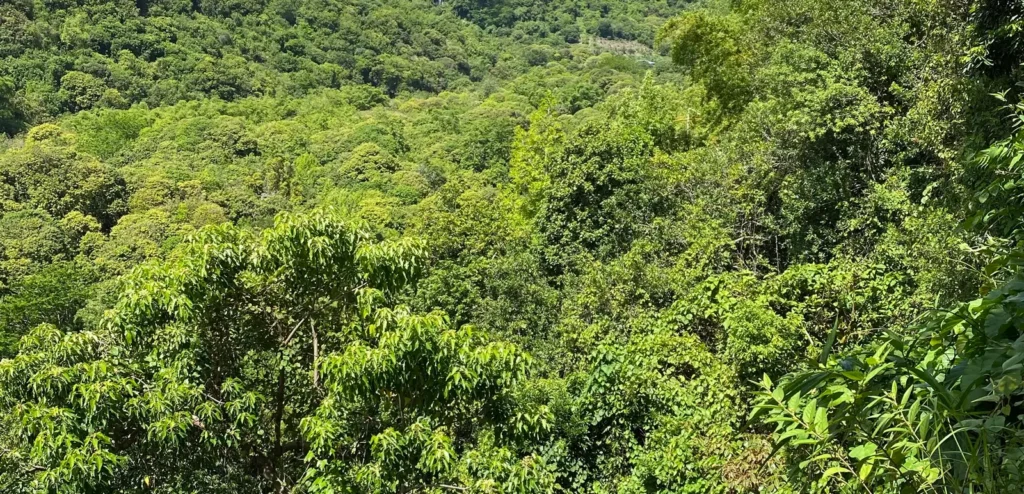
Indian Ocean biodiversity is one of the major reasons to look beyond beaches. Madagascar, Seychelles, Mayotte, Reunion Island, Mauritius and Comoros include rare forests, coral reefs, mangroves and seagrass beds.
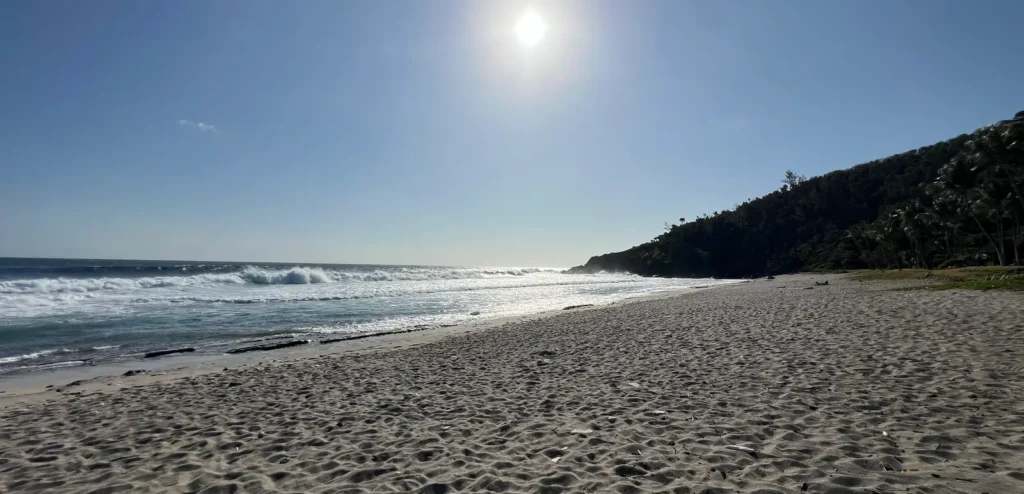
Reunion Island beaches are often misunderstood. This is not Mauritius or Seychelles. The island is volcanic, steep and exposed, with powerful surf, rocks, currents and a history of shark risk in some areas.
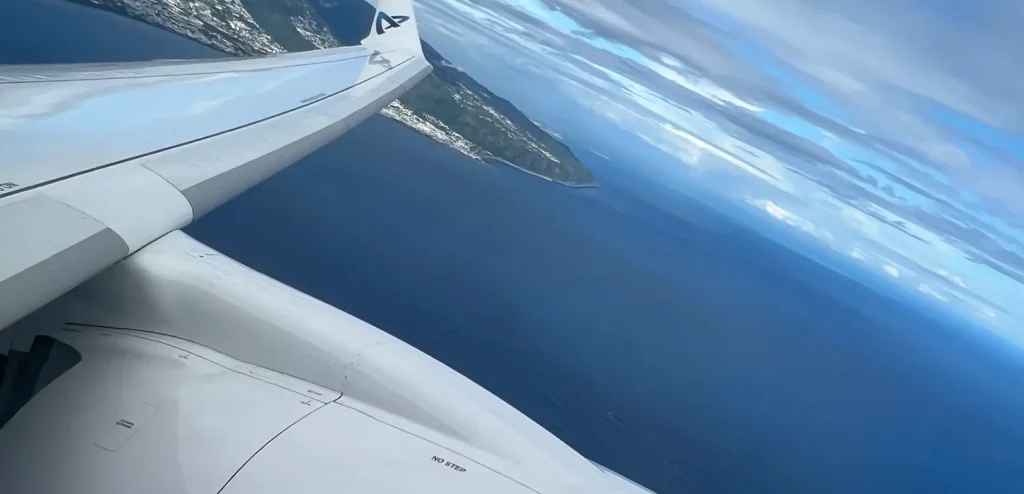
An Indian Ocean trip budget depends on the island, the season, the flight, the accommodation style and the activities. Mauritius, Reunion Island, Madagascar, Seychelles, Mayotte and Comoros do not work like interchangeable beach products.
Cyclones Indian Ocean warnings should never be read as distant weather news only. A system far from land can already affect swell, flights, ferries and coastal activities. A weaker system passing close to an island can bring heavy rainfall and dangerous roads.
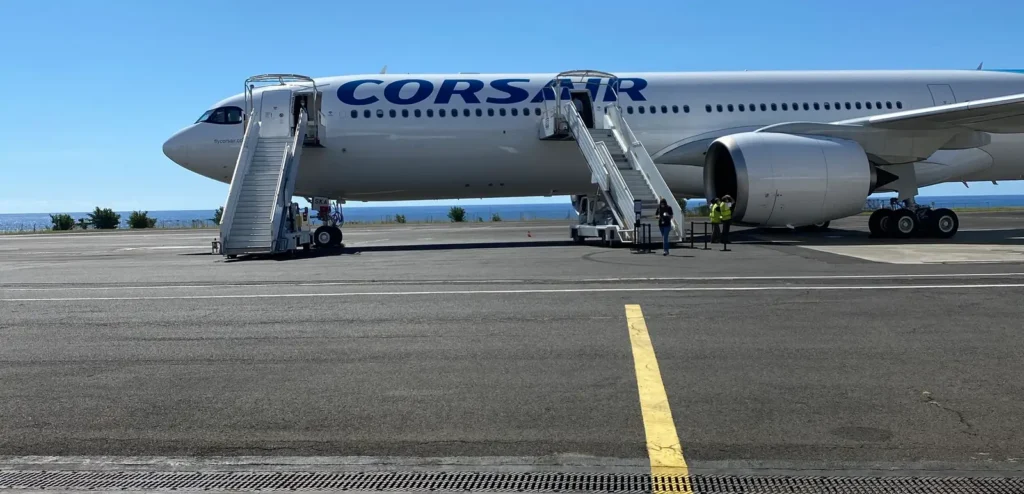
Indian Ocean diasporas tell an ongoing relationship between islands and the wider world. Study, work, family, healthcare, entrepreneurship and love can lead people away without cutting ties.
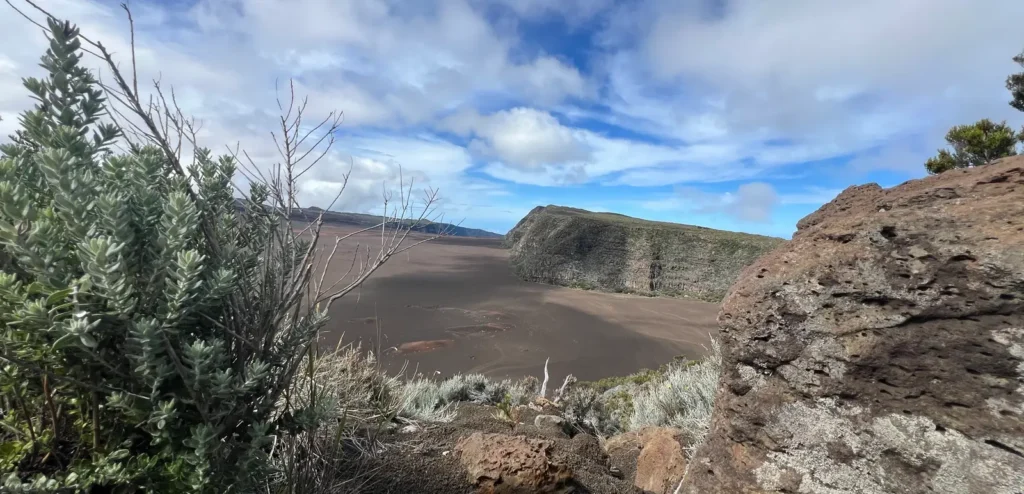
Hiking in Reunion Island is one of the strongest active travel experiences in the Indian Ocean. The island combines cirques, forests, waterfalls, ridges, lava flows and volcano trails in a compact but demanding terrain.
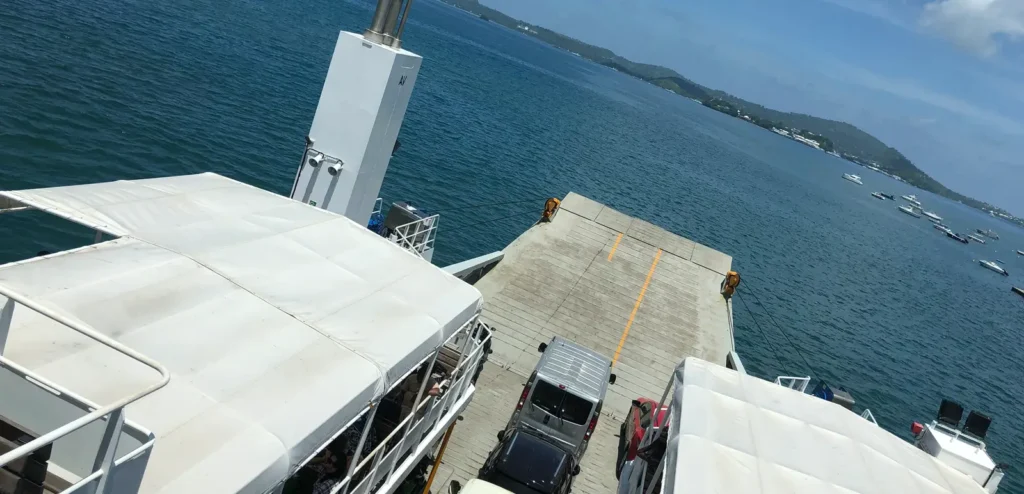
The best lagoons in the Indian Ocean are not only blue water and white sand. They are reef systems, seagrass beds, turtle habitats, local fishing areas, swimming zones and fragile tourism spaces.
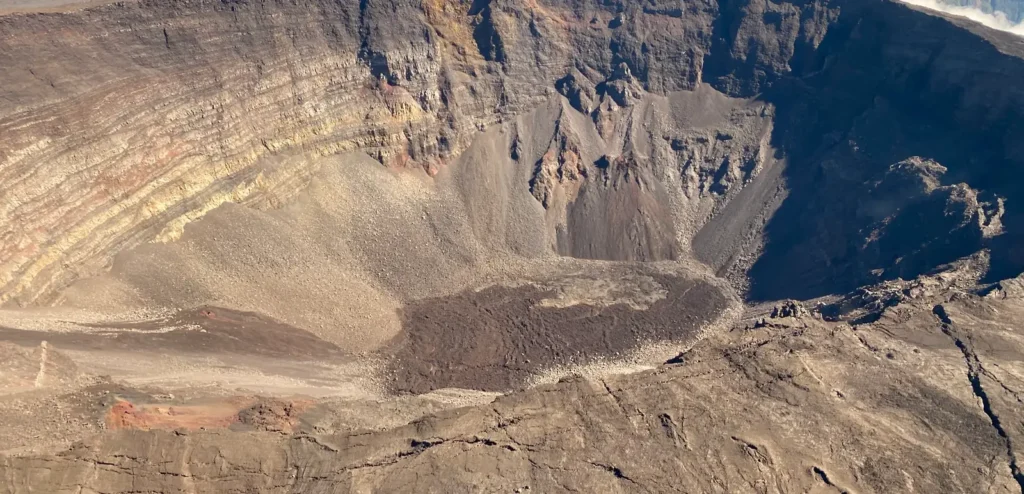
Combining two Indian Ocean islands can make a trip richer: volcano and lagoon, hiking and beach, Creole culture and slow island life. But a bad island-hopping plan only adds flights, fatigue and cost.
Climate change in the Indian Ocean is not abstract. It appears in rising seas, stressed reefs, stronger rain events and coastlines forced to adapt.