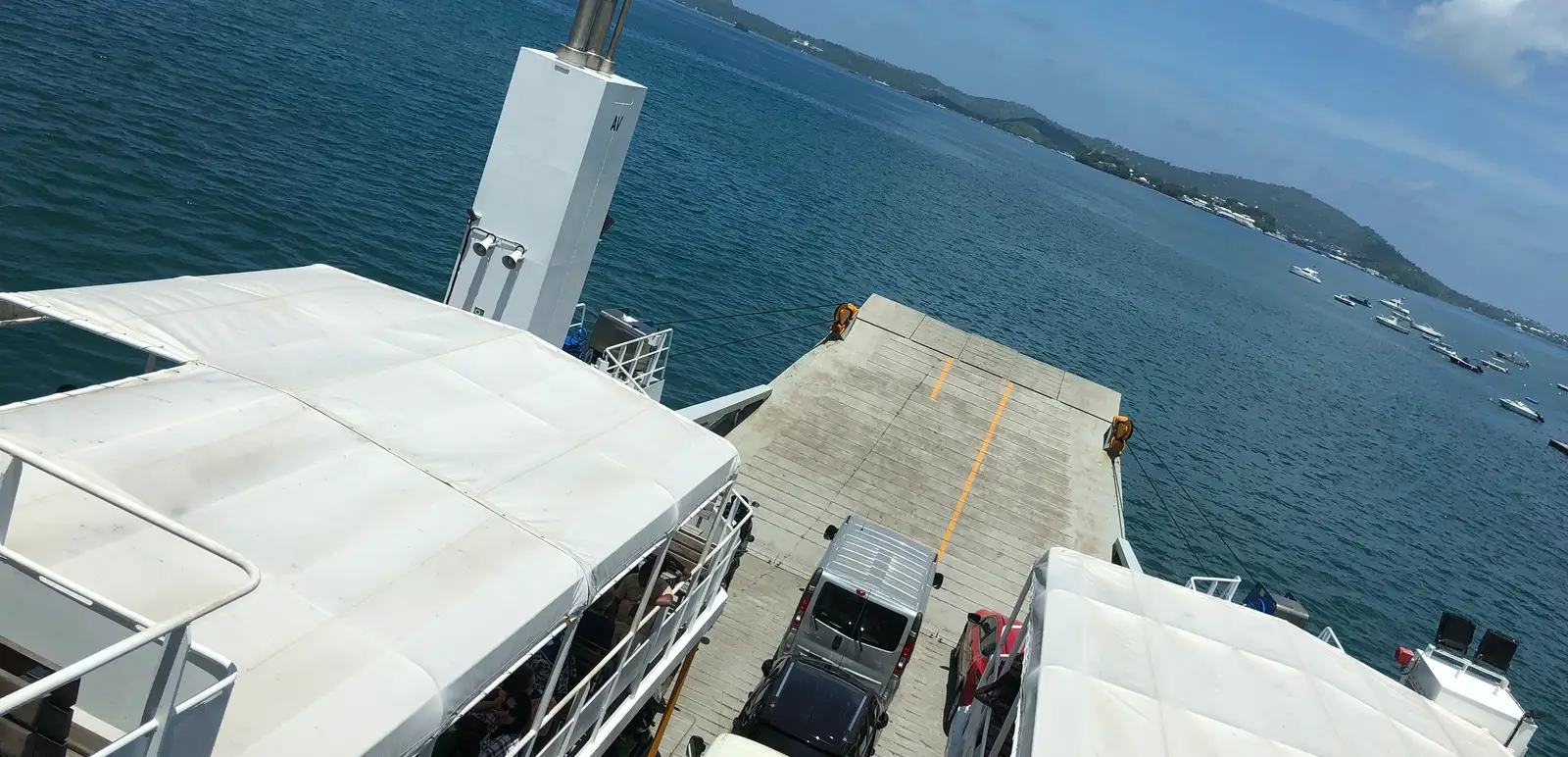
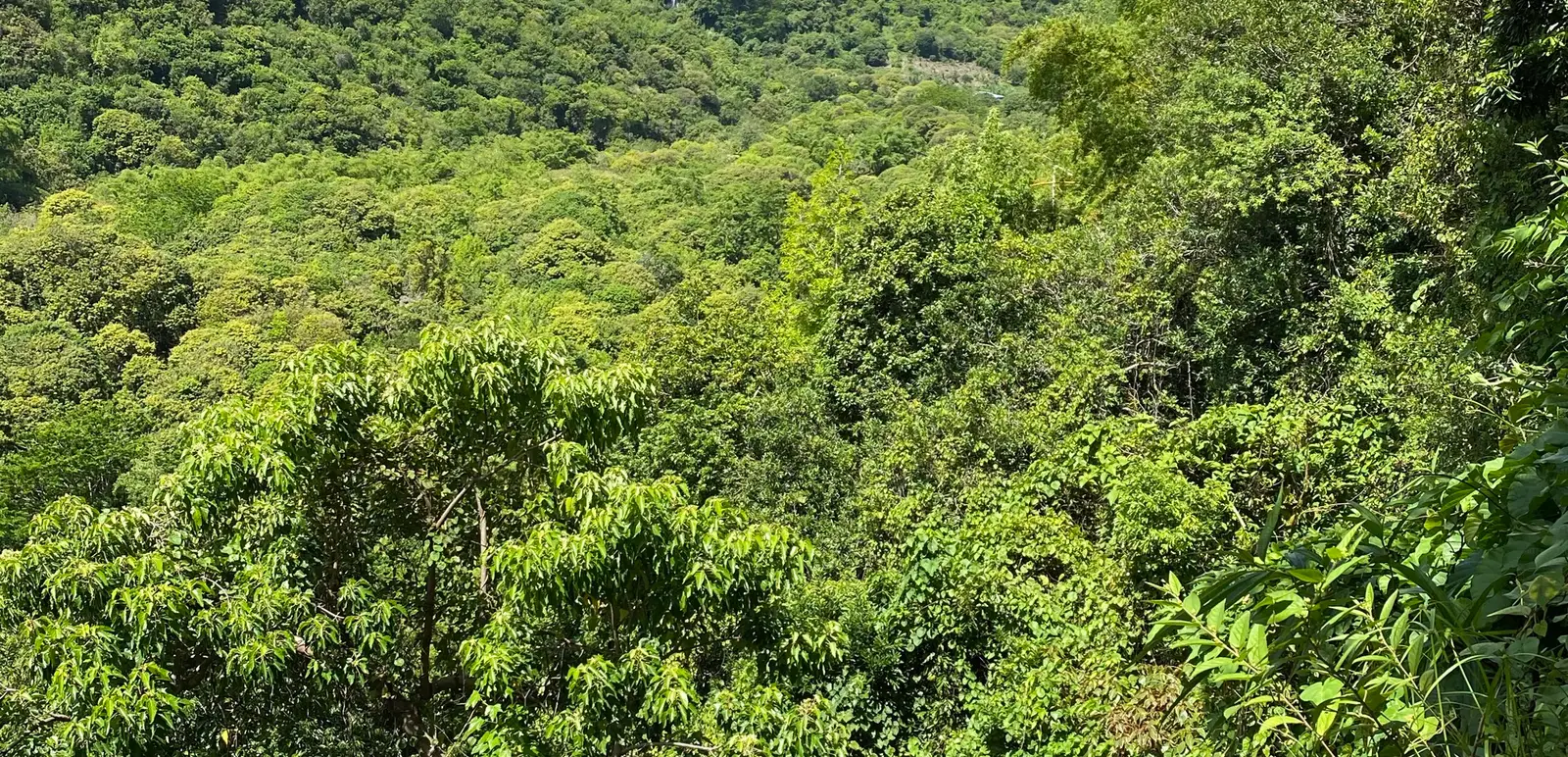
That easy access is also the problem. A turtle that seems calm is still a wild animal. Responsible snorkeling means watching without touching, chasing, surrounding or blocking its path.
Why N Gouja is famous
N Gouja sits in the south of Grande-Terre and is often mentioned as a turtle beach in Mayotte. The setting is beautiful: baobabs, sand, lagoon water and a reef environment that attracts visitors looking for a memorable swim.
The site is not a petting area. Turtles come to feed, breathe and move through their habitat. Their presence depends on natural behaviour, not on tourist demand.
How to behave in the water
Enter slowly, keep your fins low and leave enough space. Do not swim directly above a turtle for long periods. Do not touch the shell, pull alongside the animal or try to take a close selfie.
If a turtle changes direction, speeds up or stops feeding because of you, you are too close. The right encounter is calm and short. Let the animal decide the distance.
Snorkeling conditions
N Gouja can be easy on a calm day, but conditions still matter. Check tide, current, visibility and local advice before entering the water. Coral, rocks and sea urchins can also create small injuries for careless swimmers.
Use reef-safe sun protection, avoid standing on coral and keep children close. The lagoon is accessible, but it is not an aquarium.
Turtles beyond N Gouja
Mayotte has one of the great lagoon systems of the Indian Ocean. Turtles, coral reefs, seagrass beds, islets and marine life make the island much richer than a single beach.
If you take a boat trip, choose operators who explain marine rules and do not sell wildlife as guaranteed contact. The same ethics apply whether you are looking for turtles, dolphins or rays.
When to go
Turtle observations can happen at different times, but calm sea conditions are more important for visitors than a perfect date. Morning often works better for comfort, light and lower crowding.
Avoid crowding the water when many people are already around one animal. Waiting ten minutes can produce a better and cleaner encounter.
Why this article matters
Searches such as Mayotte turtles, N Gouja Mayotte and swim with turtles Mayotte show a real travel intention. People want a close wildlife moment. The page has to redirect that desire toward respect, because the easiest encounters are also the easiest to damage.
Mayotte is not yet as globally marketed as Mauritius or Seychelles. That makes accurate advice even more important.
What turtles you may see
Many visitors associate N Gouja with green sea turtles. The species often discussed is Chelonia mydas, which feeds in seagrass areas. Turtle grazing is a natural behaviour, and swimmers should never interrupt it for a closer image.
A turtle that lifts its head to breathe needs a clear path to the surface. Keep space above and around the animal. If several swimmers gather, move away and let the turtle continue feeding.
Lagoon ecology
Mayotte is not only a turtle beach. Its barrier reef, seagrass meadows and underwater life also support rays, reef fish and sometimes manta rays in the wider lagoon depending on area and season.
Local names such as Le Jardin may appear in lagoon-trip discussions. Whatever the site, the same rules apply: no touching coral, no chasing animals and no plastic pollution left behind.
Nesting and land behaviour
Some sea turtles come ashore to lay eggs. If you ever encounter nesting activity, keep distance, avoid lights and follow local guidance. Beach behaviour can affect reproduction as much as snorkeling behaviour affects feeding.
Scientific and local context
The phrase turtles Chelonia mydas refers to green turtles by their scientific name. It is useful because it moves the article away from a vague beach encounter and toward a clearer ecological reading of the site.
Travelers may also meet local nature references, photographers or lagoon observers online, including names such as Serge Melesan. Use those sources as a reminder that Mayotte’s marine life is watched, documented and debated by people who know the island, not only by visitors arriving for one swim.
This context helps keep N Gouja from becoming a simple checklist stop. The beach is beautiful, but the lagoon is a living system.
Frequently asked questions
Can you swim with turtles in Mayotte?
Yes, but only with distance and care. Never touch, chase or block a turtle.
Is N Gouja the best turtle beach in Mayotte?
It is the best-known place for many visitors, but conditions and turtle presence vary.
Do you need a guide?
For the beach itself, not always. For lagoon trips, a responsible guide or operator is strongly recommended.
Sources / references
Methodology: every fact, figure and quotation is checked and sourced by the newsroom.

Author
Pascal Viroleau
Article produced under the newsroom charter: constructive journalism, cited sources and a stated level of verification.